
 4.9
4.9 4.5
4.5Your resume is often the first impression you make on a potential employer. It’s your personal marketing document—designed to highlight your skills, experience, and value in a way that convinces hiring managers to invite you for an interview.
But what if you’ve sent out dozens of applications and heard nothing back? If your inbox is silent and interviews are rare, there’s a good chance your resume isn’t doing its job.
The good news is that most resume problems are fixable. Once you recognize the warning signs, you can make simple improvements that significantly increase your chances of landing interviews.
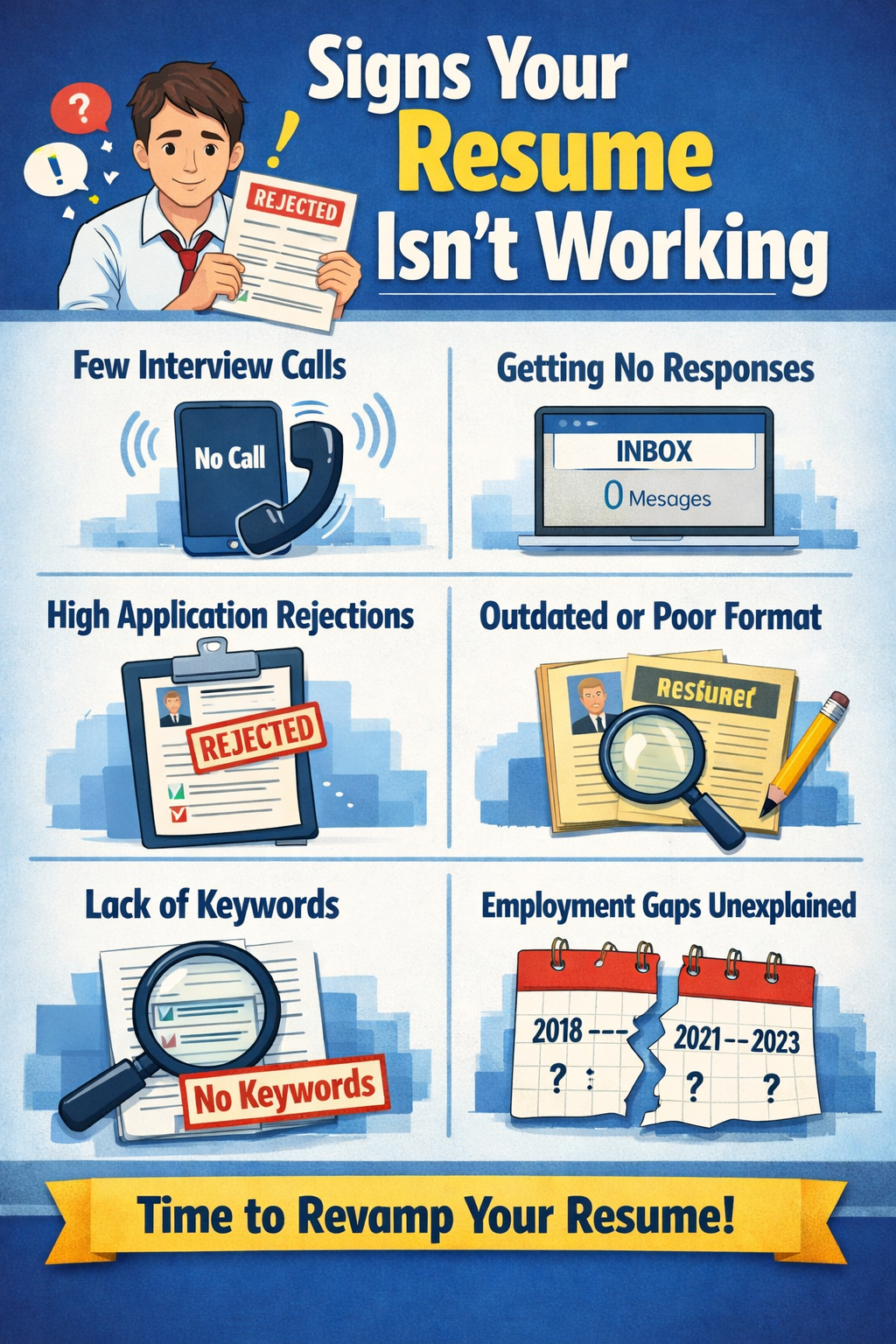
Below are 12 common signs your resume isn’t working—and exactly what you can do to fix them.
1. You’re Sending Applications but Getting Zero Responses

One of the most obvious signs that your resume needs improvement is when you’ve submitted many applications but received no responses.
Recruiters often spend only a few seconds scanning each resume. If your document doesn’t quickly communicate your value, it may get skipped before a deeper review.
What to fix
Start by improving the top section of your resume. Include a strong professional summary that clearly explains:
- Your experience
- Your key skills
- Your biggest achievements
Focus on results instead of job responsibilities.
Example:
Instead of writing:
Responsible for managing marketing campaigns.
Write:
Led digital marketing campaigns that increased website traffic by 60% in one year.
2. Your Resume Is Too Long

Many professionals believe that adding more details will make their resume stronger. However, long resumes often overwhelm recruiters.
In most cases:
- Entry-level professionals: 1 page
- Experienced professionals: 2 pages
Anything longer may reduce the chances of your resume being fully read.
What to Fix
Remove unnecessary information such as:
- Old jobs from more than 15 years ago
- Irrelevant part-time roles
- Repetitive job descriptions
Focus on recent and relevant experience that demonstrates results.
3. Your Resume Looks Generic

Sending the same resume to every employer is one of the biggest mistakes job seekers make.
Employers want to see how your skills specifically match the role they’re hiring for.
What to Fix
Customize your resume for every job application.
This includes:
- Using keywords from the job description
- Highlighting the most relevant experience
- Adjusting your summary section
A tailored resume significantly improves your chances of passing automated screening systems.
4. Your Resume Is Hard to Read
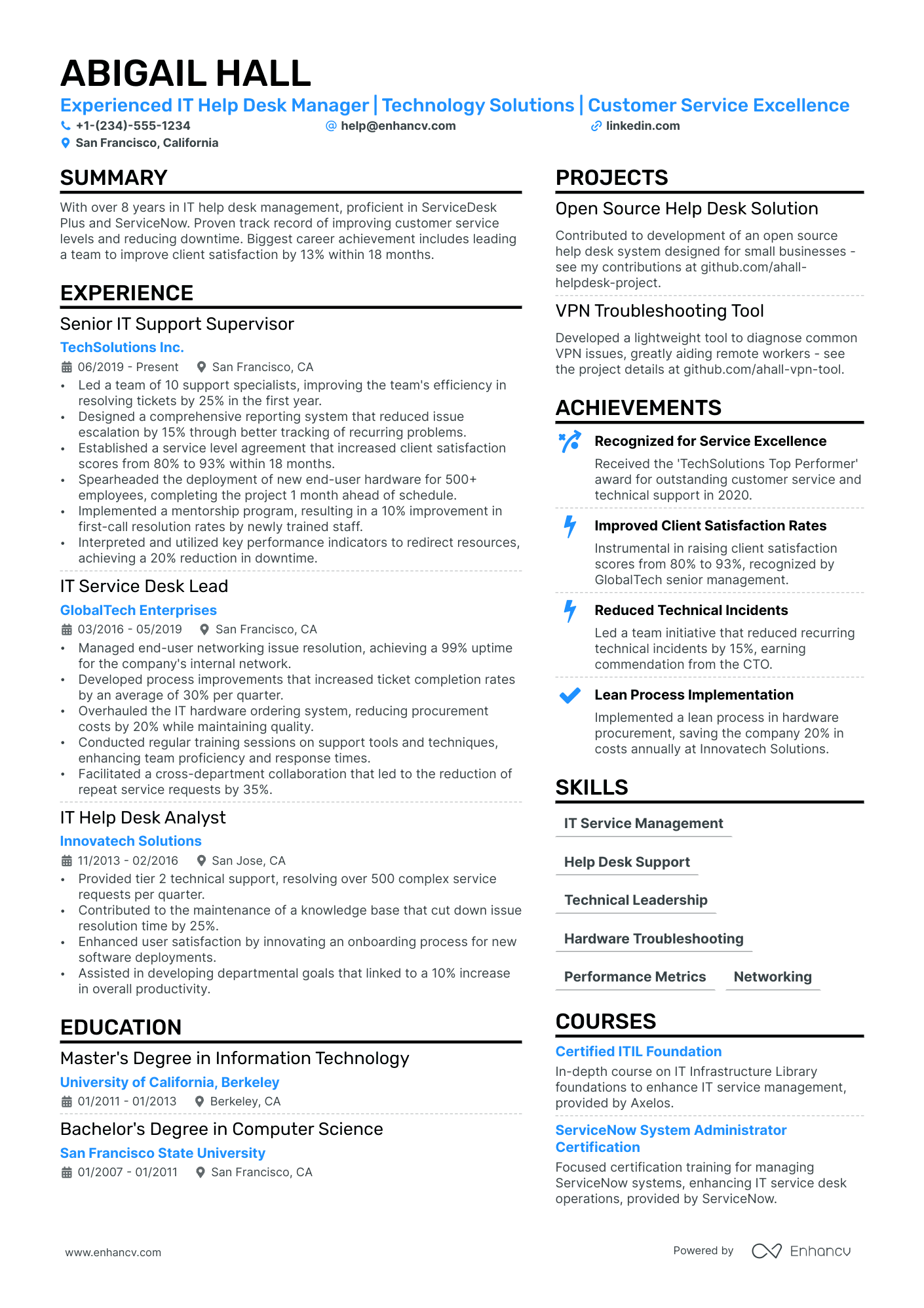
A resume filled with dense paragraphs, inconsistent formatting, or tiny fonts can frustrate hiring managers.
Remember, recruiters scan resumes quickly. If the layout is confusing, they may move on to the next candidate.
What to Fix
Improve readability by:
- Using bullet points instead of paragraphs
- Keeping font sizes between 10–12 points
- Adding clear section headings
- Leaving enough white space
Your resume should be easy to skim in seconds.
5. Your Resume Only Lists Job Duties
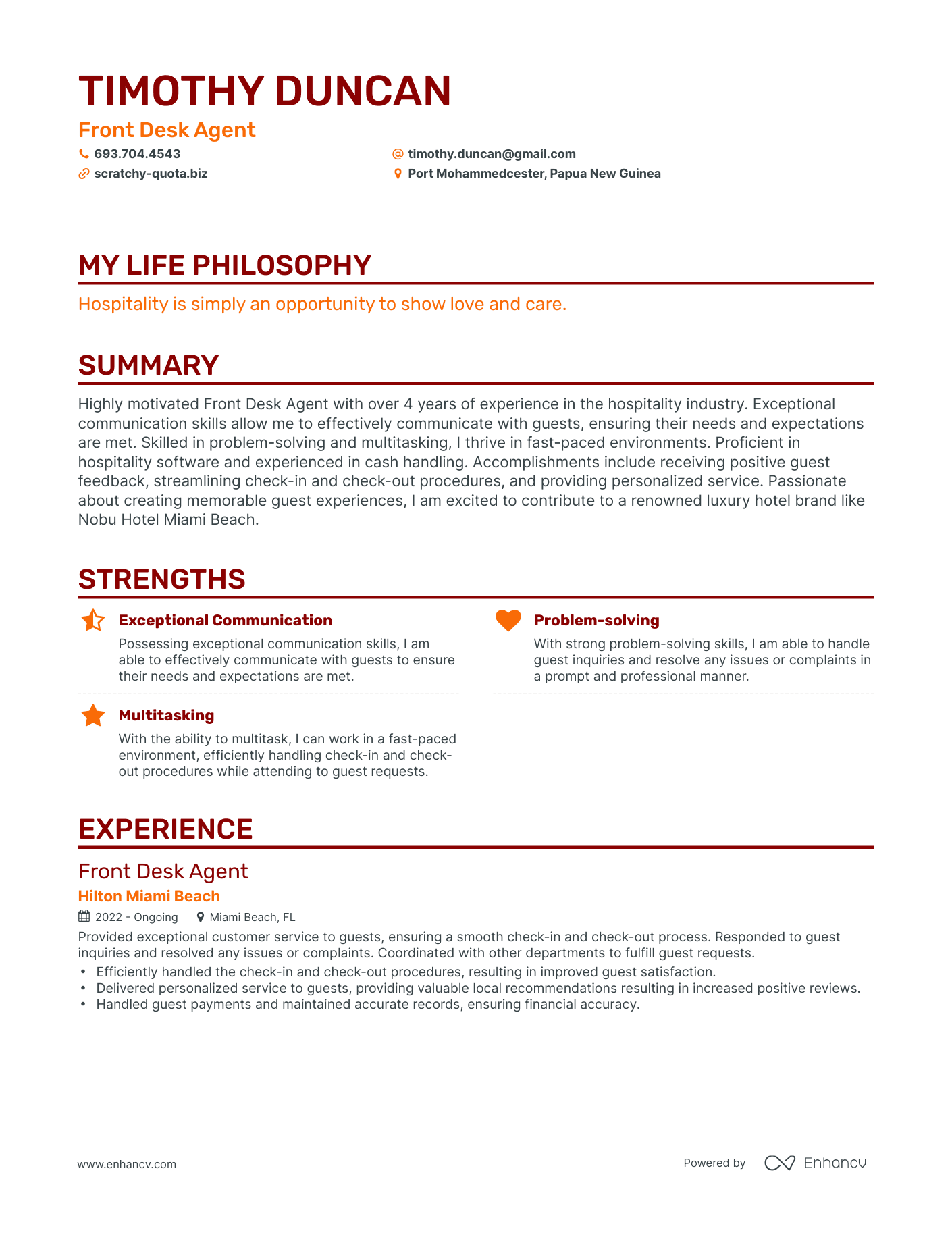
Many resumes simply list daily responsibilities rather than accomplishments.
However, employers want to know what impact you made in your previous roles.
What to Fix
Add measurable achievements such as:
- Sales increases
- Cost reductions
- Productivity improvements
- Customer satisfaction results
Example:
Instead of writing:
Handled customer support inquiries.
Write:
Resolved over 100 customer inquiries weekly with a 95% satisfaction rating.
6. There Are Typos or Grammar Errors
Even small spelling or grammar mistakes can make a bad impression.
Hiring managers may assume that a resume with errors reflects poor attention to detail.
What to Fix
Before sending your resume:
- Proofread it several times
- Use grammar-checking tools
- Ask someone else to review it
A fresh pair of eyes often catches mistakes you may overlook.
7. Your Resume Doesn’t Include Important Keywords
Many companies use Applicant Tracking Systems (ATS) to filter resumes before they reach recruiters.
If your resume doesn’t contain relevant keywords, it might never be seen by a human.
What to Fix
Review the job description carefully and include:
- Required skills
- Industry terminology
- Relevant tools or software
Just make sure these keywords appear naturally within your experience.
8. Your Resume Design Looks Outdated
An outdated resume format can make your application look less professional.
Modern resumes focus on clean layouts and simple formatting.
What to Fix
Update your resume design by:
- Using a modern template
- Removing outdated objective statements
- Adding a professional summary
A fresh layout improves both readability and visual appeal.
9. Your Resume Focuses Too Much on You
Many resumes emphasize what the candidate wants instead of what they can contribute to the company.
Employers are primarily interested in how you can solve their problems.
What to Fix
Frame your experience around value.
Instead of saying:
Seeking opportunities for career growth.
Write:
Marketing specialist with proven experience increasing brand engagement and digital conversions.
10. Your Skills Section Is Weak
The skills section should immediately show recruiters what you’re capable of.
If it’s vague or outdated, employers may not see your qualifications quickly enough.
What to Fix
Include both:
Hard Skills
- Software tools
- Technical abilities
- Certifications
Soft Skills
- Leadership
- Communication
- Teamwork
Make sure the skills listed align with the job description.
11. Your Resume Doesn’t Tell a Clear Career Story
Your resume should show a clear progression in your career.
If your experience appears random or inconsistent, recruiters may struggle to understand your professional direction.
What to Fix
Highlight a consistent theme such as:
- Leadership growth
- Industry specialization
- Technical expertise
Use your professional summary to tie everything together.
12. You’re Getting Interviews, but No Job Offers
If you’re getting interviews but not job offers, your resume may still need adjustments.
Sometimes resumes exaggerate achievements or create expectations that don’t match interview performance.
What to Fix
Make sure your resume is:
- Accurate
- Easy to explain in interviews
- Focused on real achievements
Your resume should support your interview conversation, not create confusion.
Final Thoughts
If your resume isn’t generating interviews, don’t panic. Most resume issues are easy to fix once you know what to look for.
By improving clarity, structure, relevance, and measurable achievements, you can turn your resume into a powerful tool that attracts employers.
Think of your resume as a marketing document for your career. When it clearly communicates your value, it becomes much easier to stand out in a competitive job market.