
 4.9
4.9 4.5
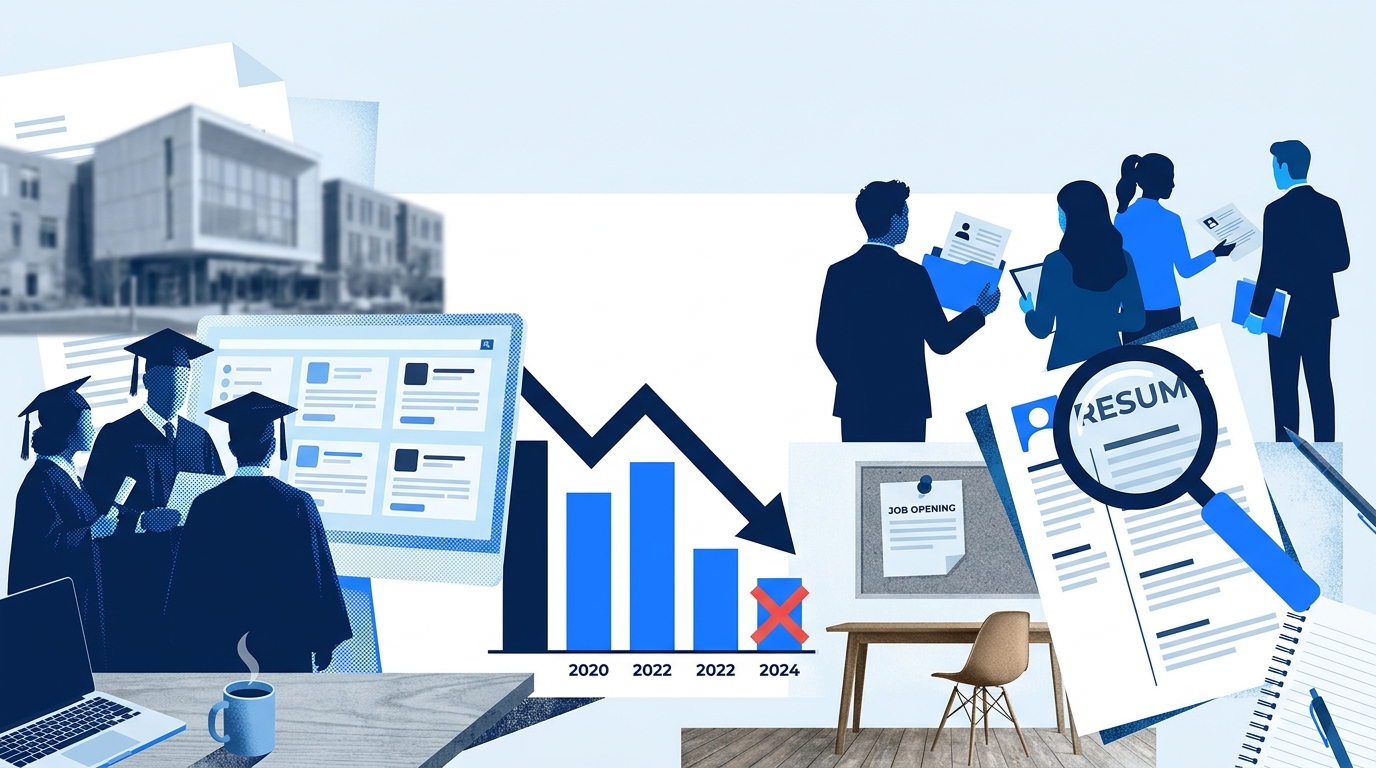
4.5Entry-level job postings have declined across multiple sectors while unemployment for new college graduates rises, forcing the class of 2026 to compete in a tighter labor market where AI is eliminating traditional entry-level tasks like administrative work and basic coding, according to a Forbes analysis published May 19, 2026.
TL;DR: Entry-level openings are down across industries as AI replaces starter tasks, but hiring demand for 2026 graduates is up 5.6% overall, with growth concentrated in specific sectors.
The National Association of Colleges and Employers reported that hiring demand for the class of 2026 increased 5.6% compared to 2025, though growth remains uneven across industries and employer types. The data shows opportunities have not disappeared but have shifted away from traditional administrative and technical entry-level roles now performed by automation.
Recruiter Guidance for Recent Graduates
Doreen Coles, senior director of career growth and development at ADP, told Forbes that graduates should “make thoughtful connections, even before applying to a job, to authentically show they are trying to learn and gain knowledge.” Coles emphasized converting college experiences into transferable skills applicable to target roles.
Priya Rathod, workplace expert at Indeed, advised recent graduates to avoid generic claims. “Graduates should steer clear of generic claims like, ‘I’m a fast learner,'” Rathod said. Young professionals should instead quantify specific skills and abilities in concrete terms.
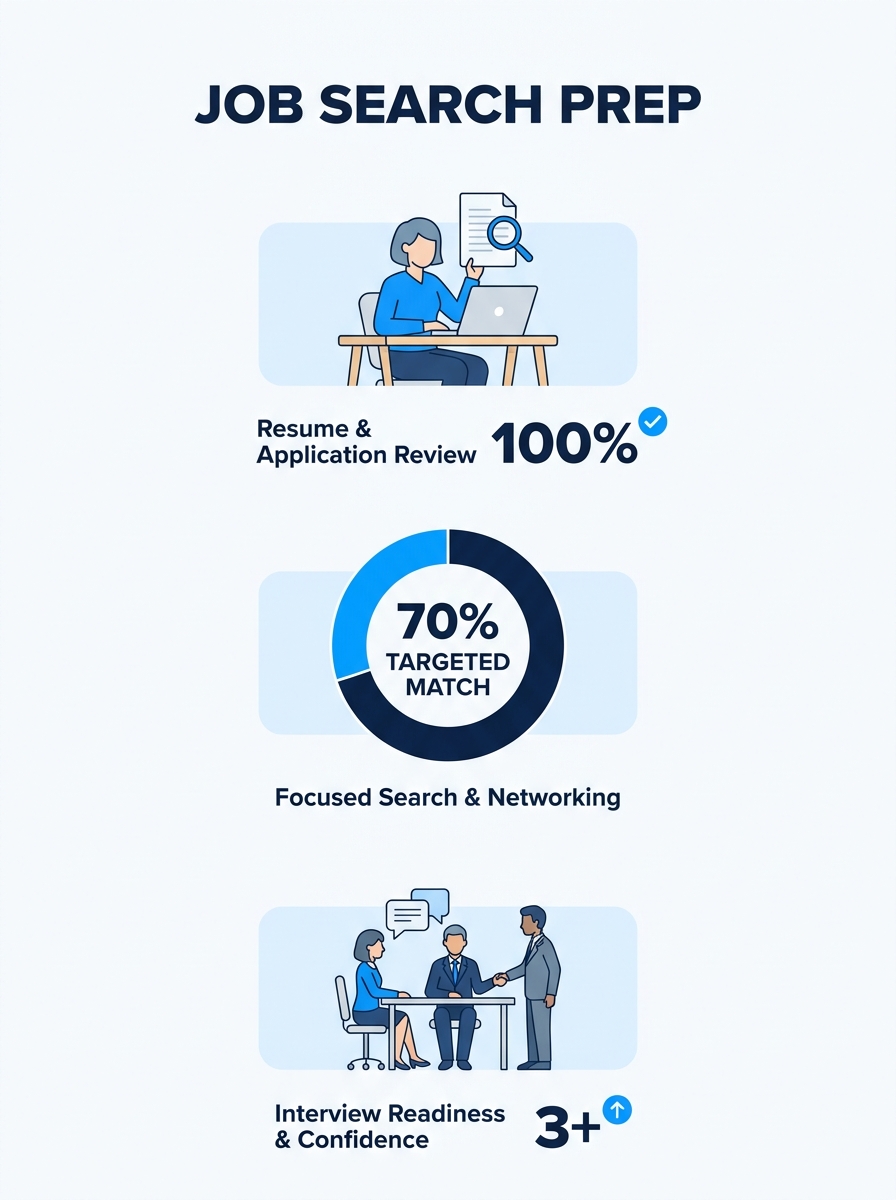
Debbie Duncan, director of talent acquisition at Northwestern Mutual, identified narrow job search strategies as a major mistake. Duncan noted that first jobs may not directly align with degree fields during periods of uneven growth. The shifting landscape requires graduates to consider roles adjacent to their primary interests while building experience.
The transition affects how new graduates must frame their backgrounds. Choosing the right resume builder by career stage becomes critical when administrative work no longer provides a stepping stone into corporate roles.
Digital Presence as Hiring Criteria
Ninety percent of HR professionals find a candidate’s LinkedIn profile at least somewhat helpful in the hiring process, the Forbes report stated. Hiring managers increasingly Google candidates before scheduling interviews or reviewing full applications.
Roshaunda Green, global senior talent acquisition partner at Pitney Bowes, said candidates whose only online presence consists of personal social media platforms face a disadvantage. “If the only thing you find when you Google yourself is your personal social media platforms and there is nothing out there that speaks to your corporate brand and reputation, then you have work to do,” Green stated.
A growing number of employers use AI tools to screen applicants’ social media profiles, verifying candidates are real people and assessing cultural fit before human review. Research confirms hiring managers now routinely Google job candidates before interviews across industries.
Green and other talent acquisition professionals recommend graduates Google themselves at least annually, ensuring online content aligns with resume claims. LinkedIn profiles should reflect current professional experiences, and social media connections should match professional identity.
Sector-Specific Variations
The Forbes analysis noted that traditional entry points like administrative work and basic coding tasks now face automation pressure. Growth in hiring demand concentrates in sectors where human judgment and relationship-building remain core functions.
The uneven distribution of opportunities forces graduates to research which industries are expanding entry-level headcount rather than applying broadly. Networking before formal applications allows candidates to identify which organizations are genuinely adding junior roles versus posting aspirational listings.
Graduates entering fields with declining administrative positions must demonstrate skills AI cannot replicate. Rathod’s guidance to specify impact rather than generic traits addresses this shift directly.
Context and Outlook
The 5.6% year-over-year increase in hiring demand for 2026 graduates masks significant restructuring of what entry-level work means. Positions that once absorbed new graduates into organizations through task-based learning are disappearing, replaced by roles requiring demonstrated competencies from day one. For job seekers targeting their first professional position, this creates a documentation challenge. Resumes must now prove capability without the benefit of prior formal employment, pushing college projects, internships, and extracurricular leadership into primary evidence slots.
The digitization of candidate screening adds a second layer. When 90% of HR professionals consult LinkedIn during evaluation, the absence of a polished professional profile functions as a red flag rather than a neutral omission. New graduates compete not only against peers with similar academic credentials but against anyone whose online presence projects readiness. The friction point is no longer whether to build a digital footprint but whether that footprint communicates strategic career positioning or passive participation.
Graduates entering this market gain an advantage by treating their first-role search as a positioning exercise rather than a credential-matching process. The employers adding 5.6% more headcount are not restoring eliminated administrative roles. They are hiring for judgment, client interaction, and adaptive problem-solving that automation has not yet replaced. Framing college experiences as evidence of those capacities, rather than listing coursework, becomes the tactical shift separating callbacks from silence.