


 4.9
4.9 4.5
4.5Adding a one-line professional title and a skills snapshot to resumes increases interview callback rates more than any other free modification, according to Indeed and LinkedIn career experts interviewed by Woman’s World.
The findings, published April 30, 2026, identify seven specific resume elements that hiring managers scan first but that career changers and returning workers frequently omit. Each addition requires no paid resume service and can be implemented in minutes, according to Priya Rathod, Indeed’s workplace trends editor, and Catherine Fisher, a LinkedIn career expert.
“Recruiters are scanning quickly, and a clear snapshot of your strengths makes it easier for them,” Fisher said in the article.
Professional Title Line Shows Immediate Positioning
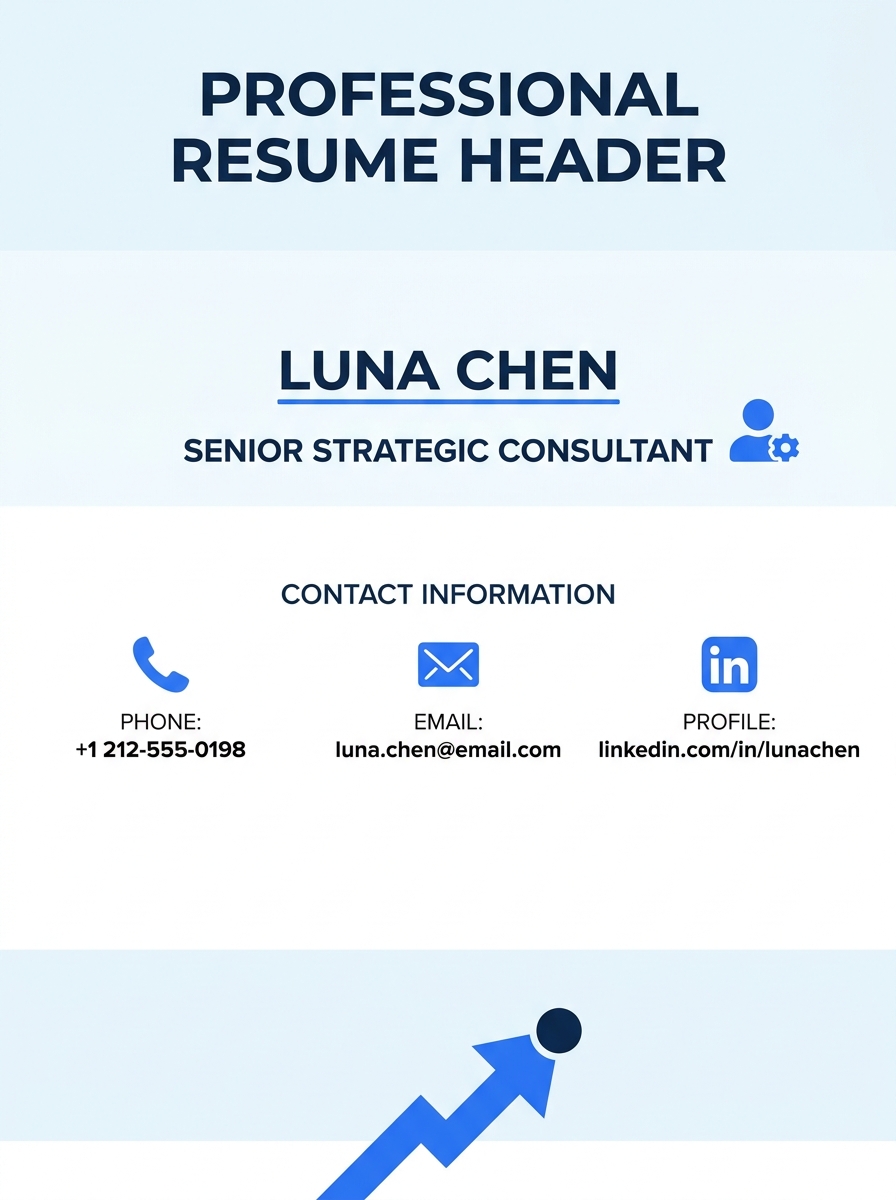
Candidates should insert a short title on a separate line between their name and contact information, such as “Registered Nurse” or “Accounts Payable Specialist,” according to Rathod. The single-line identifier brands the candidate immediately.
“This can be a simple but effective way to brand yourself to employers, especially if your goal is to stay in the same or a similar type of role,” Rathod told Woman’s World.
Career changers should skip the professional title line to avoid locking themselves into a previous field, the article noted. A candidate moving from accounts payable to event planning would omit the title to maintain flexibility.
Two-to-Four Sentence Summary Replaces Objective Statement
Beneath contact information, candidates should write a professional summary of two to four sentences that functions as an elevator pitch, according to Fisher. The summary should showcase years of experience, core expertise areas, and one or two standout accomplishments.
“It’s especially helpful if you’re making a career pivot, re-entering the workforce or transitioning industries,” Fisher said. The summary allows recruiters to understand how transferable skills align with open positions.
For professionals comparing entry-level and career-changer resume strategies, the summary section provides critical context that job titles alone cannot convey.
Skills Section Requires Three to Six Bullets
A “key skills” list featuring three to six bullet points should appear under the professional summary, according to Fisher. The list should combine hard skills—technical knowledge like software proficiency—with soft skills that reflect work style, such as “managing multiple priorities in busy environments.”
The skills section aligns the candidate with job description requirements and positions them as competitive, Fisher said. Recruiters scanning resumes spend concentrated time on this section when it exists, according to the experts.
Candidates using resume builders should ensure the tools accommodate a dedicated skills section rather than dispersing capabilities throughout work history bullets.
Professional Memberships Signal Industry Engagement
After listing work experience and education, candidates can add a professional memberships section for career-related associations, according to Rathod. These might include industry groups where members take workshops or stay current on best practices.
“When a hiring manager sees a relevant, well-recognized association, it can signal that you’re committed to your field, staying current on industry trends and actively engaged in building industry connections,” Rathod said.
Candidates can list memberships immediately upon joining with the designation “active member,” regardless of tenure, the article noted.
Volunteer Work Strengthens Resume When Connected to Target Role
A volunteering section should connect community contributions to job requirements, according to Fisher. Instead of writing “helped at a fundraiser,” candidates should specify “managed check-in and coordinated a welcome buffet for a 200-person event.”
“Volunteer experience strengthens your resume when you show how it translates to skills needed in the position you’re applying for, and your ability to see through projects and make real impact,” Fisher said.
Recent Training Demonstrates Growth Trajectory
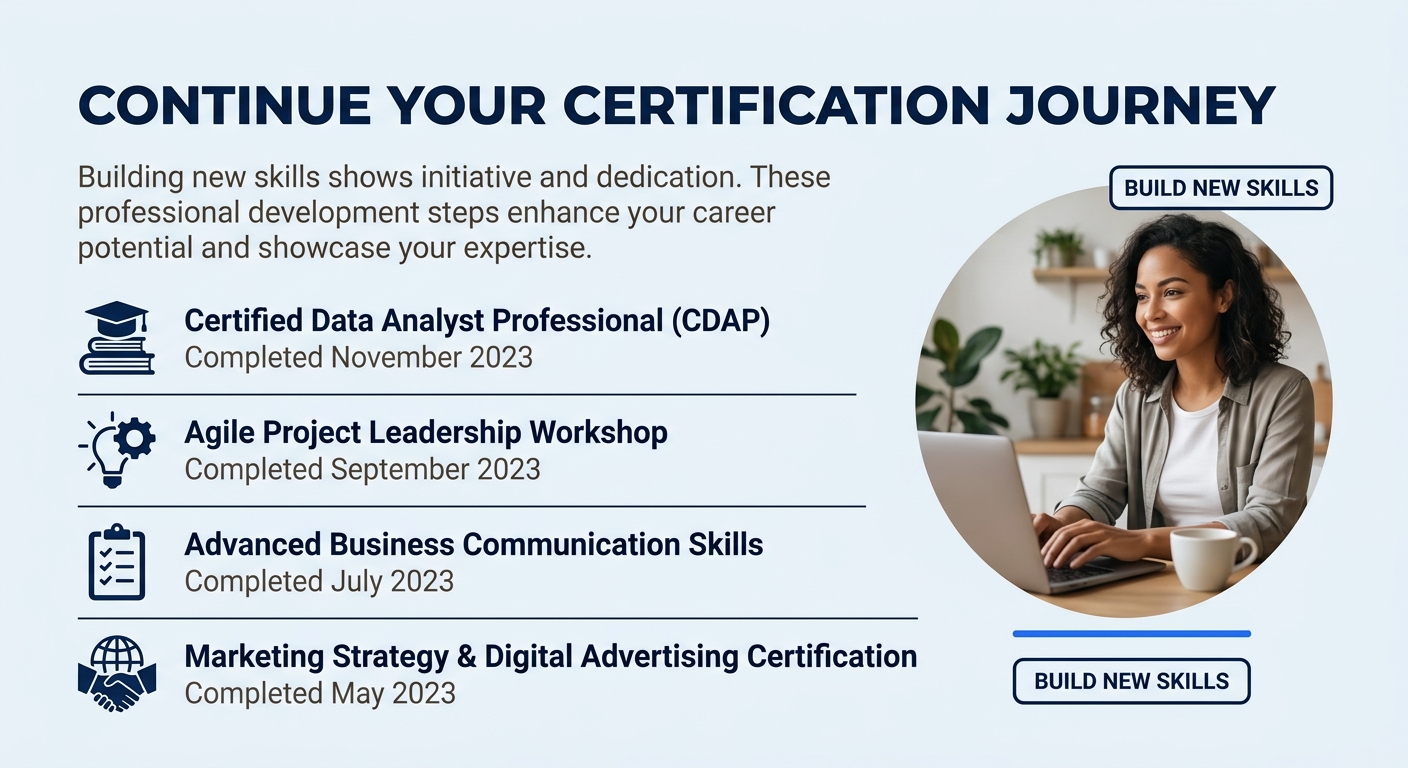
A professional development section spotlighting recent certifications, classes, or completed training sends a strong signal to employers, according to Fisher. Examples include event-planning workshops or software courses relevant to the target position.
“Demonstrating that you’re actively learning sends a strong signal,” Fisher said. The section indicates the candidate remains engaged and prepared for new responsibilities.
For professionals navigating AI resume screening systems, the professional development section provides keyword-rich content that automated systems flag as positive signals.
What This Means for Job Seekers
The seven resume elements require no financial investment and minimal time but address the specific sections recruiters prioritize during initial scans. Candidates who skip the professional title line and skills snapshot lose opportunities to brand themselves before recruiters reach work history details.
Career changers and workforce re-entrants benefit most from the professional summary and volunteering sections, which reframe previous experience through the lens of transferable skills rather than job titles. The summary paragraph allows candidates to control the narrative before recruiters draw their own conclusions from employment gaps or industry switches.
Professionals comparing best resume writing services should verify whether the service includes these seven elements as standard components or whether candidates must request them separately. The modifications represent baseline expectations for 2026 resumes rather than premium features that justify higher service fees.