
 4.9
4.9 4.5
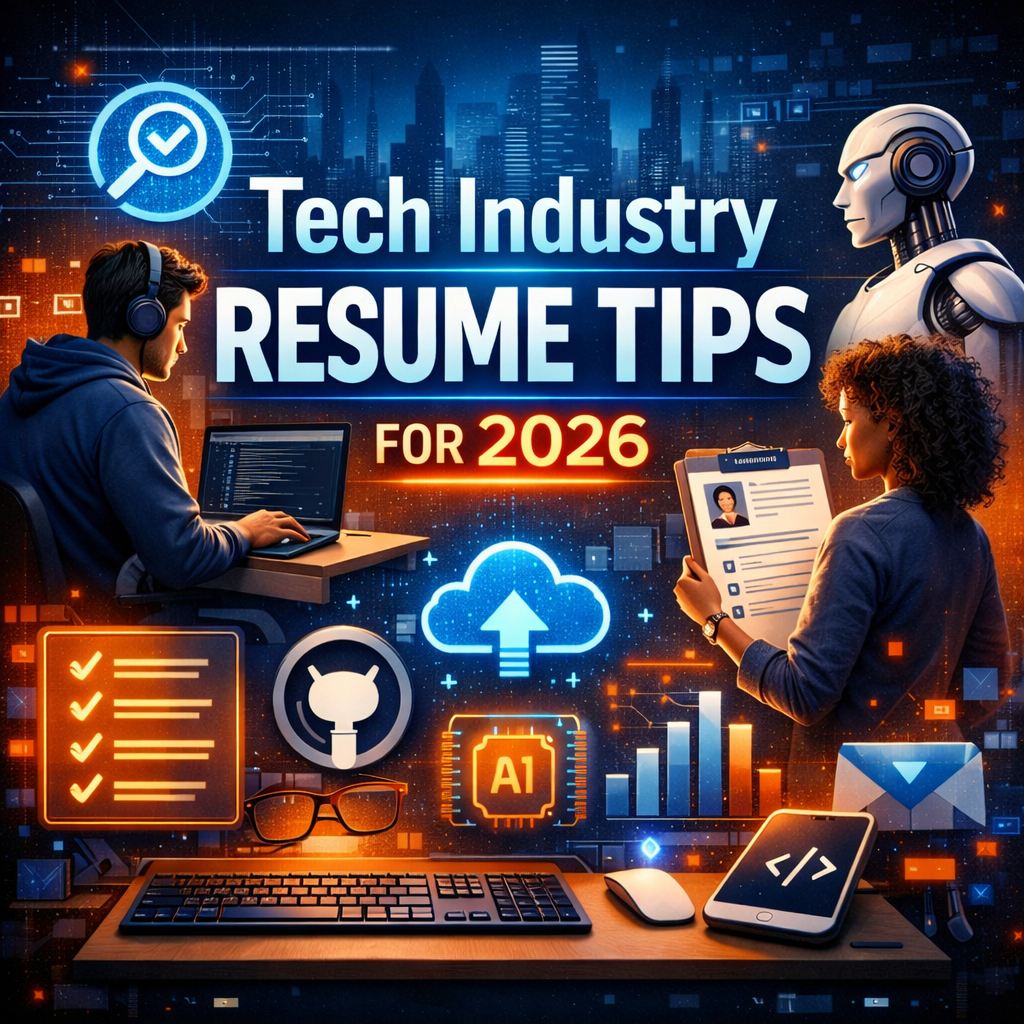
4.5The tech industry moves faster than almost any other field. New programming languages emerge, AI tools reshape workflows, and hiring practices evolve every year. That means the resume that worked five years ago may already be outdated today.
In 2026, tech recruiters are not just looking for impressive credentials. They’re searching for candidates who can clearly demonstrate impact, adaptability, and real-world skills. At the same time, most companies now rely heavily on automated systems to screen resumes before a human even reads them. In fact, nearly all Fortune 500 companies use applicant tracking systems (ATS) to filter resumes before they reach hiring managers.
If you want to stand out in the tech job market, your resume must appeal to both machines and people. The good news is that a few strategic improvements can dramatically increase your chances of getting interviews.
Here are the top 10 tech industry resume tips for 2026 to help you create a resume that gets noticed.
1. Optimize Your Resume for ATS Systems
Most tech companies now use automated systems to scan resumes before recruiters review them. These systems search for keywords, relevant skills, and proper formatting.
If your resume isn’t optimized for ATS, it might never reach a human reviewer.
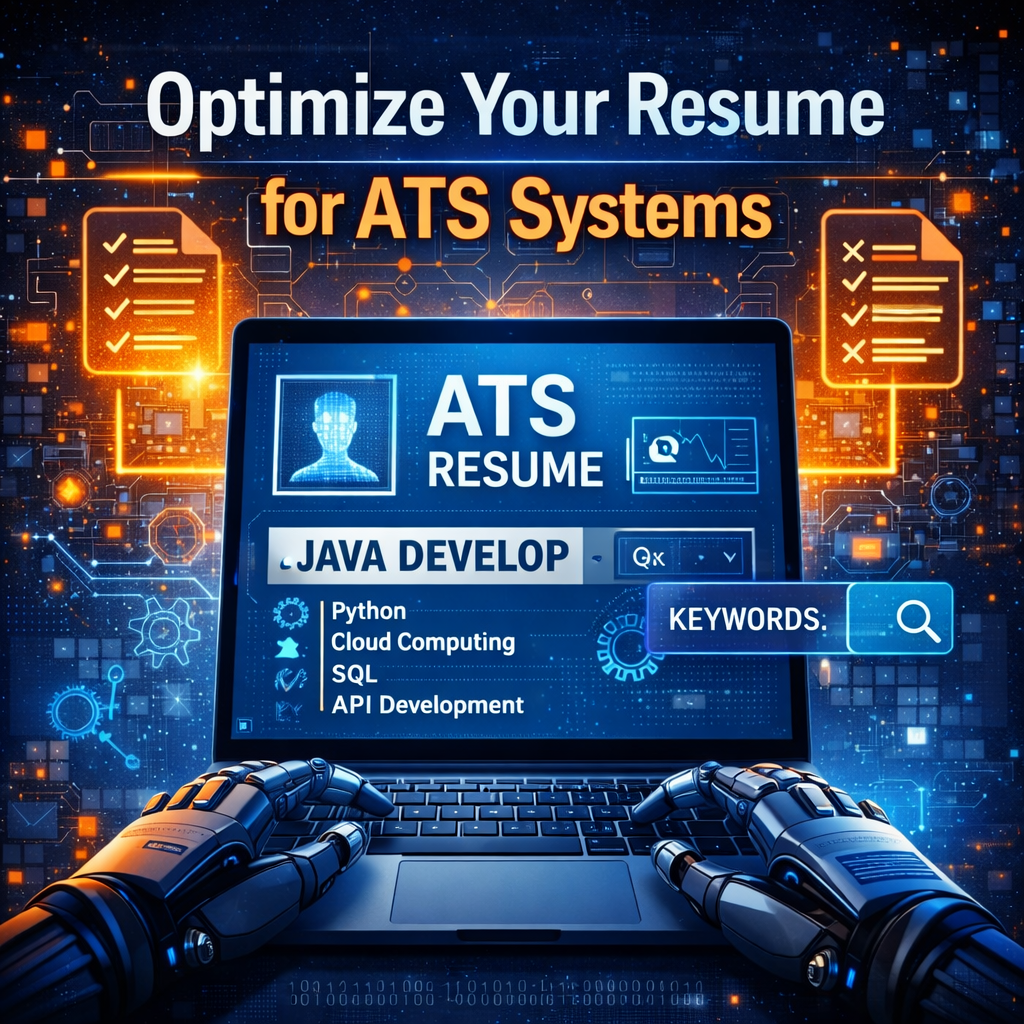
To make your resume ATS-friendly:
- Use standard section titles like Work Experience, Skills, and Education
- Avoid complex graphics, tables, or unusual fonts
- Include relevant keywords from the job description
- Save your resume as a PDF or DOCX
Modern ATS tools now analyze context rather than just counting keywords, meaning your resume should read naturally instead of sounding like a list of buzzwords.
Think of ATS optimization as making sure your resume can pass the first digital gatekeeper.
2. Highlight Achievements, Not Just Responsibilities
A common mistake tech professionals make is listing responsibilities rather than achievements.
Instead of writing:
Responsible for maintaining backend APIs.
Write something like:
Built and optimized REST APIs serving 500,000+ monthly users, improving response time by 35%.
Hiring managers want to see impact, not just tasks. Quantifying your accomplishments demonstrates the value you brought to previous roles.
Strong tech resumes often include metrics like:
- Performance improvements
- Revenue impact
- User growth
- System scalability
- Efficiency gains
Numbers make your achievements more believable and memorable.
3. Showcase Real Projects and GitHub Work
In 2026, employers will increasingly care about proof of skills, not just job titles.
Many companies now evaluate candidates based on their actual work—such as GitHub repositories, open-source contributions, and portfolio projects.

Include a Projects section in your resume that highlights:
- Open-source contributions
- Personal coding projects
- Hackathon entries
- SaaS tools you’ve built
- AI or automation experiments
For example:
AI Chatbot Builder
Created a GPT-powered chatbot that automates customer support for e-commerce stores, reducing response times by 70%.
Adding links to GitHub, live demos, or portfolio websites helps recruiters quickly evaluate your technical abilities.
4. Use a Skills-First Resume Structure
Traditional chronological resumes still work, but skills-first or hybrid formats are increasingly popular in the tech industry.
A skills-first structure highlights your core expertise immediately.
Example skills section:
Technical Skills
Programming Languages
Python, JavaScript, TypeScript, Go
Frameworks
React, Node.js, Django
Tools & Platforms
Docker, Kubernetes, AWS, Git
This allows hiring managers to quickly determine if you’re technically qualified for the role.
Remember: recruiters often spend only 6–10 seconds scanning a resume during the first pass.
Make those seconds count.
5. Add AI and Emerging Tech Skills
AI is now deeply integrated into many technology roles.
Even if you’re not an AI engineer, showing familiarity with AI tools can strengthen your resume.
Examples include:
- Generative AI tools (ChatGPT, Claude, Gemini)
- Machine learning frameworks
- Automation tools
- AI-assisted coding tools
- Data analysis platforms
Recruiters increasingly value candidates who can leverage modern technology to increase productivity and innovation.
If you’ve used AI tools to automate tasks or improve workflows, mention that in your experience section.
6. Customize Your Resume for Every Job Application
One of the biggest resume mistakes is sending the same resume to every company.
Tech hiring in 2026 is highly competitive, and customization can make a huge difference.
Before applying:
- Analyze the job description
- Identify the most important skills
- Adjust your resume keywords
- Highlight relevant experience
For example, if a role emphasizes cloud infrastructure, prioritize experience with AWS, Azure, or GCP.
Tailoring your resume helps it match the employer’s needs—and increases your chances of passing ATS filters.
7. Keep Your Resume Clean and Easy to Read
A tech resume should prioritize clarity over creativity.
That means:
- Simple fonts (Arial, Calibri, Inter)
- Plenty of white space
- Clear section headings
- Consistent bullet points
Avoid:
- Overly decorative templates
- Dense paragraphs
- Unnecessary graphics
A clean resume allows recruiters to quickly scan your experience and find key information.
Think of your resume like a well-designed interface — simple, intuitive, and efficient.
8. Include a Personal Website or Portfolio
Digital resumes are becoming increasingly common.
Many tech professionals now include links to personal websites showcasing:
- Projects
- Technical blogs
- Case studies
- GitHub repositories
- Certifications
Interactive resumes and online portfolios allow candidates to present their work in a more engaging way.
A simple portfolio website can dramatically improve your credibility.
Even a minimal site with 3–5 strong projects can make you stand out.
9. Demonstrate Continuous Learning
Technology evolves rapidly, so companies want people who keep learning.
Showcase recent:
- Certifications
- Online courses
- Bootcamps
- Workshops
- Technical conferences
Examples:
- AWS Certified Solutions Architect
- Google Data Analytics Certificate
- Machine Learning specialization
- Kubernetes certification
Adding recent learning signals that you’re proactive about staying relevant in the industry.
10. Write a Strong Professional Summary
The professional summary at the top of your resume is your first impression.
Instead of a generic objective statement, focus on a value proposition that explains what you bring to the company.
Example:
Software Engineer with 6+ years of experience building scalable web applications and cloud infrastructure. Specialized in Python, AWS, and distributed systems. Passionate about building high-performance platforms used by millions of users.
A strong summary helps recruiters quickly understand your expertise and career direction.
Final Thoughts
Writing a strong tech resume in 2026 requires more than listing your job history.
To succeed, you must:
- Optimize for ATS systems
- Demonstrate real impact
- Highlight technical skills and projects
- Show continuous learning
- Tailor your resume for every job
As the tech hiring landscape evolves, resumes are becoming more data-driven, skills-focused, and portfolio-oriented.
By applying these ten tips, you’ll significantly increase your chances of getting noticed by recruiters and landing interviews in today’s competitive tech job market.
Your resume is not just a document — it’s your personal marketing tool.
Make sure it tells a clear, compelling story about the value you bring to the technology industry.