


 4.9
4.9 4.5
4.5A social media post claiming that changing a surname to “Singh” on a resume generated three job callbacks in 24 hours—after 300 applications with a different name yielded none—sparked widespread debate about hiring bias across online platforms on May 3, 2026, according to American Bazaar Online.
The post, which went viral within hours, read: “Applied to 300+ jobs… zero callbacks. Changed my last name to Singh on the exact same resume… Got 3 callbacks in 24 hours.” The claim drew immediate attention to longstanding concerns about whether names influence hiring decisions and how discrimination may persist in recruitment processes despite corporate diversity initiatives.
The anecdote has become a focal point in discussions about resume optimization strategy, particularly for job seekers from underrepresented backgrounds who suspect their names may trigger bias in applicant tracking systems or during human review.
The Claims and Immediate Reaction
The individual’s “resume name change test” generated sharply divided responses online. Supporters argued the experience highlights real challenges faced by candidates with certain names. The statement “Applied to 300+ jobs… zero callbacks” underscored frustration many job seekers report in competitive markets, the article noted.
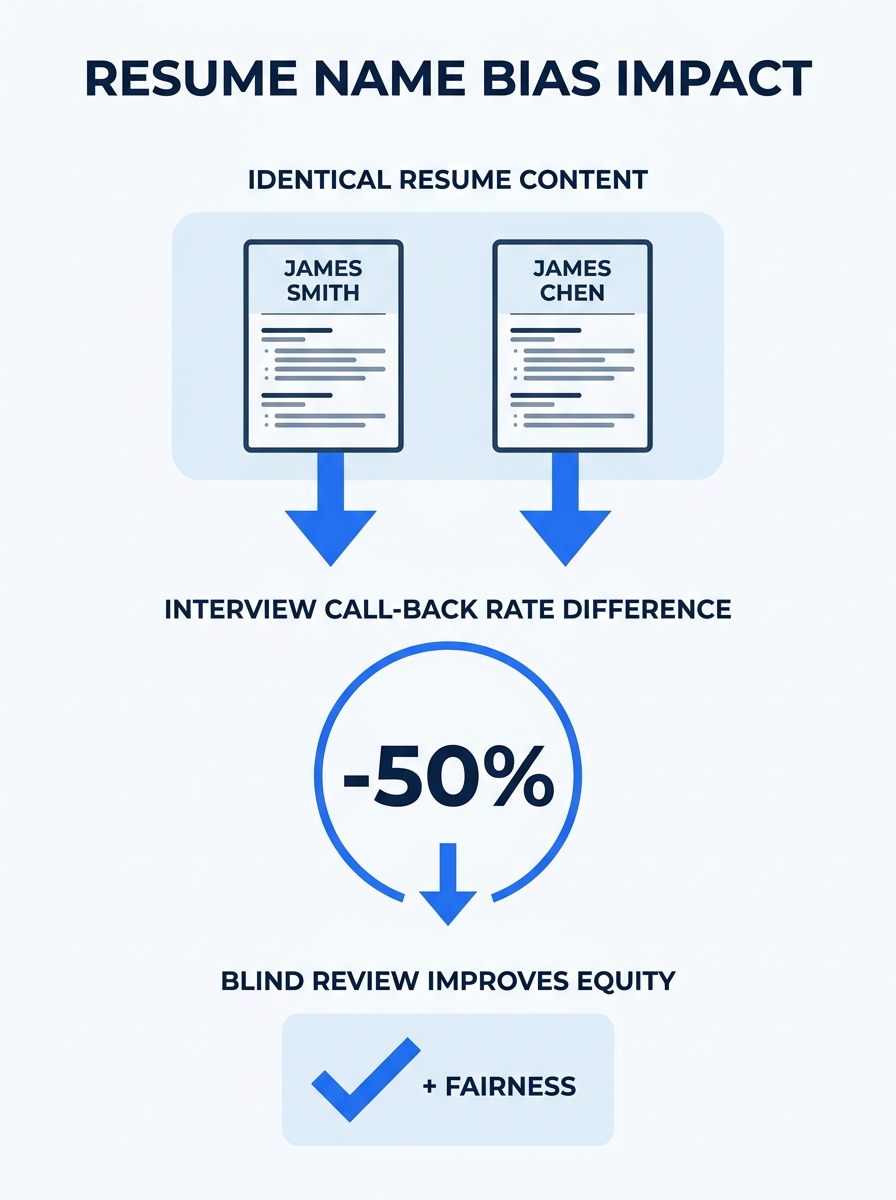
Multiple academic studies in recent years have suggested that resumes with names perceived as non-white or foreign may receive fewer responses, lending context to the claim and amplifying its relevance in diversity-focused workplace discussions. The follow-up line about three callbacks within 24 hours after the name change intensified debate about whether the pattern reflected systemic bias or coincidental timing.
Critics emphasized that hiring outcomes can vary due to factors including timing, industry demand fluctuations, or algorithmic screening system updates. They argued that while the experience appears compelling, a single anecdote should not be treated as definitive proof without broader data, according to the report.
Broader Context on Name Bias Research
The viral post arrives as companies increasingly emphasize diversity, equity, and inclusion policies yet continue to face scrutiny over actual hiring practices. Academic research has documented patterns in which identical resumes receive different callback rates based solely on the name listed at the top.
Social media users shared similar experiences in response to the original post, reinforcing concerns about bias. Others questioned the methodology behind the experiment, noting that factors such as the 24-hour timeframe, job market fluctuations, or changes in applicant pool size could explain the different outcomes without bias playing a role.
The discussion reflects ongoing tension between anecdotal experiences shared by job seekers and measurable evidence required by researchers and policy advocates. Job seekers weighing whether to modify their resumes face a practical dilemma: strategies for resume optimization often emphasize authenticity, yet some candidates report better outcomes after making strategic changes to how they present themselves on paper.
What Hiring Systems Actually Screen
Modern applicant tracking systems scan resumes for keywords, formatting, and structural elements before human reviewers see applications. The systems typically do not analyze names, though human screeners at the next stage may introduce bias—conscious or unconscious—based on name perception.
Companies using blind resume review processes, which remove names and other identifying information before screening, aim to address this concern. The practice remains uncommon across most industries, leaving job seekers to navigate traditional application processes where names appear prominently on every document.
The Takeaway
The viral claim serves as a stark reminder that resume strategy extends beyond formatting and keyword optimization into questions job seekers should not have to ask: Does my name hurt my chances? The debate reveals a fundamental tension in modern hiring—companies tout diversity commitments while individual candidates report experiences suggesting bias remains embedded in screening processes.
For job seekers from underrepresented backgrounds, the discussion raises uncomfortable strategic questions about whether to modify resume presentation to improve callback rates. While no single anecdote proves systemic patterns, the viral response indicates the claim resonated with candidates who have faced similar frustrations after hundreds of applications without responses.
Experts quoted in the American Bazaar Online report emphasized that comprehensive research, not isolated experiments, should guide conclusions about hiring bias and inform meaningful reforms in recruitment systems. Until companies adopt blind review processes or other bias-reduction measures at scale, job seekers continue weighing whether authentic self-presentation or strategic modification offers the better path to landing interviews.