


 4.9
4.9 4.5
4.5BloggersTopics published an analysis on June 18 examining professional career coaching services and their role in supporting career advancement, identifying five primary benefit areas: career decision clarity, self-awareness development, personalized strategy creation, professional skill building, and transition support, according to the career development platform.
TL;DR: The analysis outlines how career coaching services address common professional challenges through structured guidance in goal setting, skill assessment, and strategic planning for individuals at multiple career stages.
Core Service Components Mapped to Career Stages
The BloggersTopics analysis breaks career coaching into six functional areas: career planning and goal setting, professional skill improvement, resume and personal branding enhancement, interview preparation, leadership development, and workplace growth transitions. Each component addresses different phases of career progression, from workforce entry through mid-career advancement and industry changes.
The analysis positions coaching as distinct from mentorship or training by emphasizing individualized assessment over standardized curriculum. Services evaluate current professional situations, identify advancement opportunities, and develop plans aligned with individual ambitions rather than generic career paths.
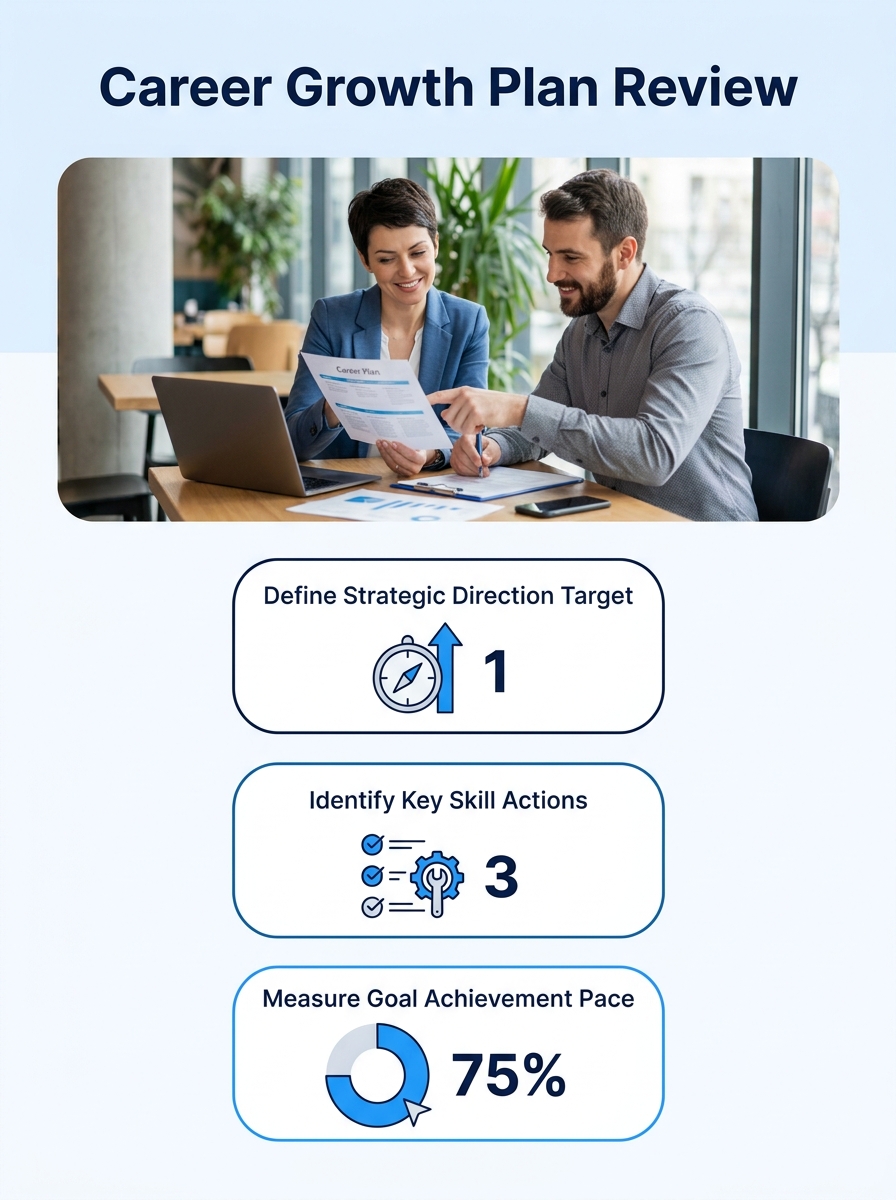
Decision Clarity Framework Addresses Career Uncertainty
Career decision uncertainty stems from mismatches between abilities, interests, and personal values, the analysis notes. The coaching framework addresses this through strength analysis, career option identification, and objective establishment to reduce confusion in professional choices.
The clarity process helps professionals understand unique abilities, identify suitable industries and roles, establish realistic goals, create structured development plans, and make informed decisions about opportunities. The analysis describes this as converting career advancement from a chance-based process into planned progression.
This approach mirrors principles outlined in the transferable skills translation framework, which similarly emphasizes systematic assessment of existing capabilities before pursuing new roles.
Self-Awareness Development Tied to Confidence Building
Many professionals underestimate their capabilities or fail to recognize skills developed through education and work experience, according to the analysis. Career coaches conduct talent and achievement evaluations to improve self-awareness, which the piece links directly to increased confidence in workplace situations.
Enhanced confidence produces improvements in professional communication, leadership abilities, decision-making processes, workplace relationships, and willingness to pursue challenging roles. The analysis positions confidence development as preparation for advancement opportunities rather than an end goal.
Personalized Strategy Creation Replaces Generic Planning
The analysis emphasizes strategy customization based on individual backgrounds, ambitions, and circumstances. Standardized career advice fails because professional journeys differ fundamentally, requiring tailored approaches to advancement.
Personalized strategies include identifying short-term and long-term goals, developing required professional skills, improving workplace performance, creating promotion action plans, and preparing for career changes. The BloggersTopics piece describes this as bringing purpose and organization to career progression.
Skill Development Focus on Combined Technical and Interpersonal Abilities
Modern workplaces require both technical abilities and interpersonal skills, with continuous learning necessary for competitive relevance, the analysis states. Career coaching identifies skill gaps and develops advancement-critical abilities including communication, leadership, problem-solving, and workplace effectiveness.
Priority skills supporting career growth include communication and presentation abilities, leadership and management skills, time management and productivity, critical thinking and decision-making, and adaptability and teamwork. The analysis positions skill development as increasing professional value and creating advancement opportunities.
This skill-building emphasis parallels recent findings on how hiring managers screen resumes in the first 30 seconds, where demonstrated capabilities outweigh generic qualifications.
Transition Support Structured for Industry Changes
Career changes create uncertainty and stress despite potential excitement, particularly for professionals changing industries, pursuing new roles, or returning after career breaks. The analysis outlines coaching support during transitions through transferable skills assessment, new possibility exploration, and development planning.
The transition framework provides structured guidance rather than ad-hoc advice, helping professionals navigate career shifts with clearer direction. This approach recognizes that career changes require different preparation than same-field advancement.
Strategy Implications
Job seekers evaluating whether career coaching fits their advancement needs should assess current challenges against the five benefit areas outlined in the BloggersTopics analysis. Professionals experiencing decision paralysis, unclear self-assessment, or unsuccessful independent job search efforts may find coaching addresses specific gaps in their approach.
The analysis positions coaching as most valuable during inflection points—workforce entry, promotion pursuit, industry transition, or career reentry—rather than as ongoing maintenance. This timing consideration affects cost-benefit evaluation for mid-career professionals weighing coaching investment against self-directed strategy development.
Career changers should note the transition support emphasis, particularly the transferable skills assessment component. The framework’s personalization principle suggests generic career advice or industry-standard templates provide limited value compared to individualized planning, reinforcing the importance of tailored resume and cover letter strategies documented in previous job search effectiveness research.