

 4.9
4.9 4.5
4.5Recruiters expect job seekers to address career gaps directly during interviews, emphasizing transferable skills gained during employment breaks and avoiding defensive language about time away from the workforce, according to career placement specialists speaking in late June 2026. Extended periods between jobs have become less stigmatized since the COVID-19 pandemic normalized remote work and caregiving absences, according to Andy Decker, CEO of Goodwin Recruiting, a candidate recruitment and placement firm. Applicants who frame gaps as “career break” or “family responsibility” on resumes fare better during screening, Decker said.
TL;DR: Career gaps should be addressed honestly in interviews by highlighting certifications, volunteer work, and transferable skills gained during the absence, according to recruitment executives and workers who successfully returned after multi-year breaks.
The shift reflects changing employer attitudes toward non-linear career paths, particularly as more candidates present resumes with pandemic-era gaps or periods devoted to eldercare and parenting. Recruiters report focusing more on demonstrable skills and results than on unbroken employment timelines.
Transferable Skills From Unpaid Roles Carry Weight With Hiring Managers
Volunteer work and household management experience translate into marketable job skills when framed correctly, according to recruitment specialists. Decker recommended that candidates inventory any certifications earned, volunteer commitments maintained, or project management experience accumulated during employment gaps.
Monique Di Liberto, who paused a 17-year career to raise children, mapped PTA presidency duties—budget management and school board presentations—onto administrative support requirements when reentering the workforce. The approach initially drew rejection, but one interviewer’s curiosity about the unconventional resume led to a 30-day trial position. Di Liberto worked up to head of client services at an artificial intelligence company over the subsequent decade, fielding gap questions at each promotion interview, according to the Associated Press report published June 26, 2026.
“I was fortunate enough to stay home for 17 years and raise amazing humans, and I worked from the ground up to be where I am today,” Di Liberto told interviewers throughout her career progression.
Laura Sandvik, who left marketing to care for family members, wrote in her LinkedIn profile that caregiving “strengthened my patience, perspective, and sense of responsibility,” framing the gap as skill-building rather than career interruption. Transferable skills frameworks help candidates translate non-traditional experience into employer-relevant language.
Layoff Explanations Require Rehearsed, Neutral Responses
Job seekers displaced by restructuring should prepare brief, factual explanations for interviews without volunteering layoff details on resumes, Decker said. Suggested language includes stating headcount figures—”I was one of 270 people caught up in this reduction of force”—or acknowledging multiple rounds: “Over two years we had five rounds of reductions in force, I made it through four, I was caught up in the fifth.”
The approach avoids blame-casting and moves the conversation forward. Decker advised rehearsing responses before interviews and maintaining neutral tone.
Baura Zia, 35, was laid off in 2022 after returning from maternity leave and spent three years in full-time parenting. On her resume, Zia labeled the period a “parenting gap” and noted a cross-country relocation. During interviews for part-time positions in 2026, she explained the previous employer lost the contract supporting her role, not that performance triggered separation.
“It’s not a flaw to have a career gap. If anything, you’ve grown so much from that,” Zia said, describing the gap as “a blessing in disguise.”
Zia credited her professional network—particularly a women’s public relations group joined years earlier—with easing her return. Multiple contacts from that network responded to her outreach when she reactivated her search. Job search durations have extended across most sectors in 2026, making network maintenance more critical.
Network Maintenance During Gaps Accelerates Return Timeline
Candidates who maintain professional contacts during employment absences experience shorter reentry timelines, according to workers who navigated multi-year gaps. Zia messaged LinkedIn contacts at target companies to ask about workplace culture, receiving replies from a minority but gathering insight that shaped applications.
Professional association memberships and informal networking groups provide contact lists that remain accessible even after years away from active employment. Di Liberto’s willingness to propose a 30-day trial demonstrated what she called “tenacity and drive,” traits that compensated for credential gaps on paper.
Decker noted that employers increasingly evaluate candidates on skill demonstration rather than resume continuity, a trend accelerated by pandemic hiring disruptions. The shift benefits workers with non-traditional paths but requires candidates to inventory and articulate competencies gained outside formal employment.
Reading Between the Lines
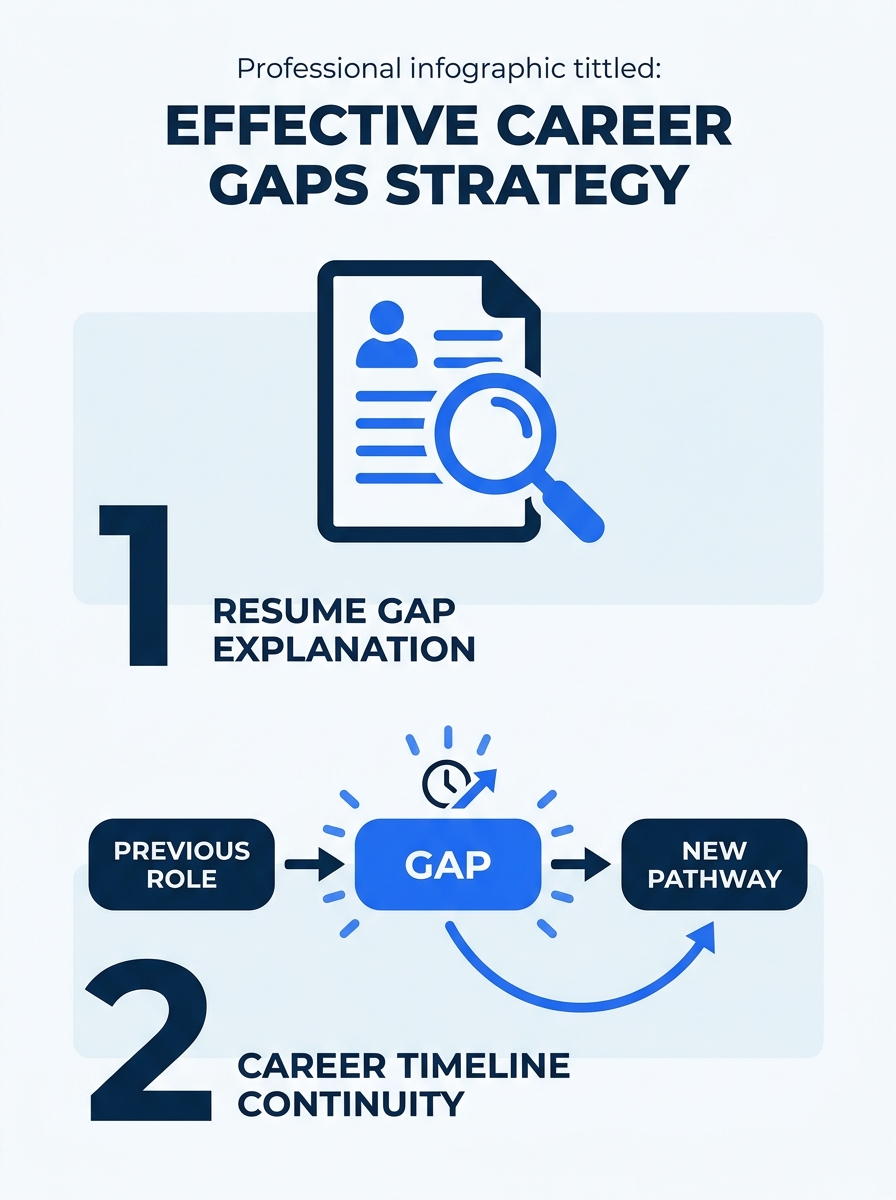
The gap-explanation playbook described by Decker and demonstrated by Di Liberto and Zia reflects a practical reality: hiring managers will ask about employment breaks, and unprepared candidates lose interview momentum. The most successful gap explanations follow a three-part structure—acknowledge the break honestly, translate unpaid work into employer-relevant skills, and pivot forward to current qualifications. Candidates who treat gaps as disqualifying flaws telegraph insecurity; those who frame them as intentional choices or circumstantial disruptions while emphasizing growth maintain control of the narrative.
The advice converges with broader shifts in resume strategy—away from rigid chronological formats that expose white space, toward skills-first presentations that foreground what candidates can deliver. For career changers and returning workers, the gap itself matters less than the story around it. Di Liberto’s offer to work a trial month turned vulnerability into use; Zia’s “parenting gap” label normalized an absence that might otherwise require defensive explanation. Both approaches handed interviewers a ready-made interpretation rather than forcing them to guess.
The network emphasis is the least sexy but highest-impact element. Zia’s success depended on contacts made years before she needed them, a reminder that professional relationships compound value during dormant periods. For job seekers currently in gaps, the coaching is clear: volunteer work keeps skills fresh and provides recent references, certifications fill credential holes, and LinkedIn activity maintains visibility. The gap becomes a problem only when candidates let all three lapse.