


 4.9
4.9 4.5
4.5Resume builder platforms differ primarily in how much layout control they offer users, the depth of writing assistance provided, and the reliability of ATS-compatible exports, according to a June 23, 2026 roundup published by Upload Insider that evaluated leading tools across those performance categories.
TL;DR: Upload Insider published a 2026 resume builder comparison on June 23 identifying Adobe Express as the strongest option for layout customization and LiveCareer as the best choice for step-by-step guided resume construction with pre-written content.
The evaluation separated resume builders into user profiles based on job seeker needs: mid-career professionals repositioning after layoffs, contractors documenting project-based work for traditional employers, and technical specialists balancing depth of knowledge with broad application.
Adobe Express Leads Layout Customization Category
Adobe Express earned the top ranking for layout control and skills presentation, the roundup found. The platform’s design environment allows users to adjust how skills and experience sections appear without requiring design expertise, according to the evaluation.
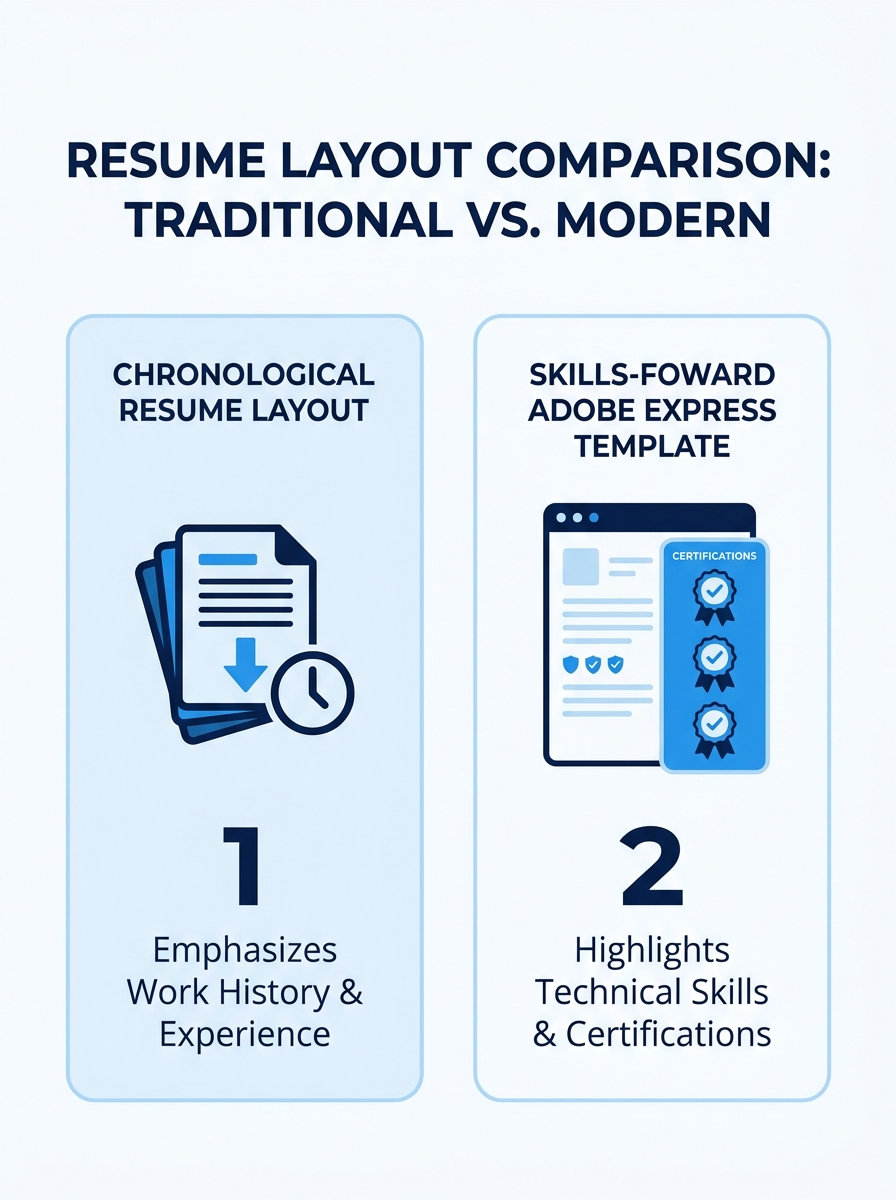
The tool’s template library includes formats where skills sections receive structural prominence through sidebar columns, tag rows, and labeled grids, the analysis noted. Section-level customization permits users to adjust font weight, spacing, and color emphasis to highlight key qualifications. Paid plans start at approximately $9.99 per month, with a free tier available for basic features.
Adobe Express supports PDF export with consistent rendering across devices and operating systems, addressing a common formatting problem when files are opened on different platforms. The brand kit functionality saves personal font and color preferences for reuse across resumes, cover letters, and portfolio pages, creating visual consistency across application materials.
The platform does not include ATS compatibility checking or resume scoring features, and content prompts and writing assistance are absent from the editing workflow, limitations the roundup identified for users who need guidance on how to describe their experience. For professionals who already know what to write and need a professional format to present it, Adobe Express matches layout flexibility with export reliability.
LiveCareer Provides Structured Guidance for Content Development
LiveCareer secured the second position for step-by-step guided construction, offering a wizard-based process that walks users through each resume component with writing prompts and pre-written content options. The platform provides a free build-and-preview function, with download access starting at approximately $2.95 for a 14-day trial period.
The tool’s pre-written bullet point library spans hundreds of job titles and functions, organized for rapid searching, the evaluation reported. The guided approach sequences sections with prompts, making the platform well-suited for users uncertain about how to articulate their work history or quantify accomplishments.
LiveCareer templates align with ATS parsing requirements, a feature the roundup highlighted for applicants targeting roles at larger organizations that rely on automated screening. The structured workflow trades layout flexibility for content scaffolding, positioning the platform as a better fit for users who prioritize writing assistance over visual customization.
Four Performance Dimensions Define Platform Selection
The roundup organized evaluation criteria into four consistent categories: skills organization handling, layout and section order latitude, export quality reliability across file formats, and writing assistance level for users articulating experience. Platforms performing well across all four dimensions serve the widest range of users, while tools excelling at one or two categories better fit specific job seeker profiles.
The analysis noted that the gap between knowing what qualifications to highlight and knowing how to present them on a page is where many job seekers lose momentum. Resume builders exist to close that gap by providing structural frameworks so writing decisions, rather than formatting decisions, consume most of the job seeker’s time.
Users with different employment patterns place distinct demands on tools, the evaluation observed. A contractor with ten short-term engagements requires different organizational flexibility than a specialist with one employer and fifteen certifications to list. Technical professionals need documents that communicate both depth of knowledge and breadth of application to hiring managers who may lack domain expertise, as explored in recent guidance on framing technical projects for non-technical reviewers.
Context and Outlook
The June 23 roundup arrives as job searches extend to 108 days to first offer, increasing pressure on job seekers to optimize resume presentation during longer application cycles. With nearly 90 percent of employers now using AI to filter resumes, the divide between platforms that prioritize ATS compatibility and those emphasizing visual presentation reflects a fundamental tension in resume strategy.
The evaluation’s focus on layout control and writing assistance as distinct performance dimensions offers job seekers a framework for matching tool selection to their specific friction point. Professionals confident in their content but uncertain about visual hierarchy gain more value from Adobe Express’s design flexibility. Applicants struggling to translate work experience into resume language benefit more from LiveCareer’s pre-written content library and guided prompts.
As resume builders add AI-powered writing features in 2026, the platforms that maintain human-readable output while supporting ATS parsing will serve job seekers navigating dual screening tracks—automated filters that score keyword density and human reviewers who assess whether AI-assisted content sounds authentic rather than overpolished.