


 4.9
4.9 4.5
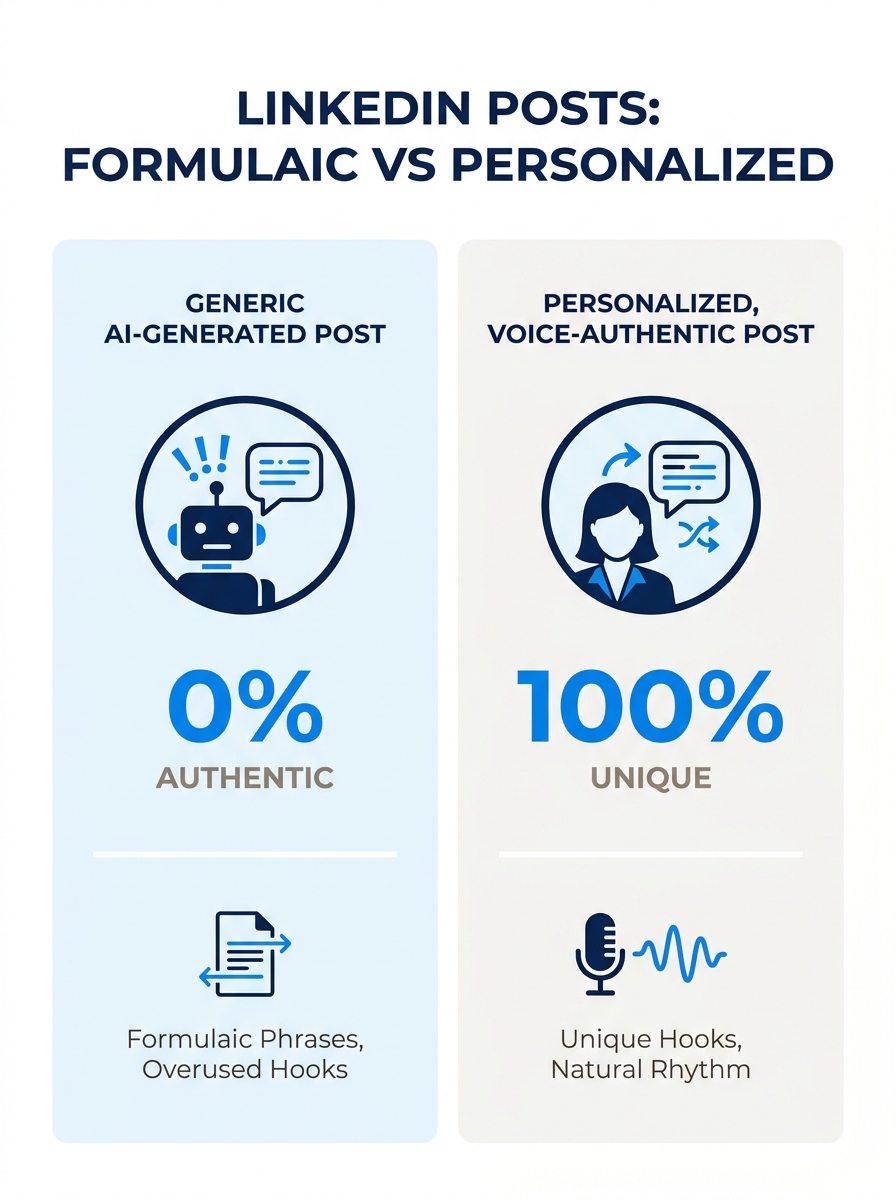
4.5LinkedIn actively identifies and suppresses generic AI-generated content with detectable patterns, burying posts that use formulaic language and common three-word punchlines, according to Forbes contributor Jodie Cook, who reported June 27 that professionals relying on default ChatGPT or Claude prompts face reduced reach and engagement as the platform’s detection systems evolve.
TL;DR: LinkedIn’s algorithm now hunts what it calls “slop”—AI-generated posts with recognizable structure and voice—forcing professionals to personalize AI input rather than rely on generic prompts if they want their content to reach hiring managers and recruiters.
The algorithmic shift creates immediate challenges for job seekers and career changers who use AI tools to maintain LinkedIn visibility during extended job searches. Posts that appear machine-written get buried regardless of topic relevance, cutting off a primary channel for professional networking and recruiter discovery at a time when job searches average 108 days to first offer.
What LinkedIn’s Detection Systems Target
The platform identifies posts through pattern recognition rather than direct AI detection, Cook reported. Repeated structural formulas, identical opening hooks across multiple users, and a “voice that belongs to nobody” trigger suppression. The algorithm evaluates not only what gets posted but who posts it, comparing profile content against feed activity for consistency signals.
Generic prompts that begin with “Write a LinkedIn post about [topic]” produce output the system recognizes as manufactured. The model defaults to average user language because it lacks context about the writer’s expertise, industry position, or communication style. “Your dream client scrolls past because the words feel manufactured,” Cook noted in the Forbes analysis.
Profile-Based AI Input Strategy
Professionals who feed their complete LinkedIn profile into ChatGPT or Claude before requesting post drafts produce content the algorithm treats as authentic, according to the Forbes report. The profile serves as a contextual brief that aligns AI output with established positioning and prevents topic drift that creates profile-feed mismatches.
Cook recommended copying the entire profile text and asking the language model to “analyse this LinkedIn profile and tell me the five topics you would expect this person to write about.” The resulting theme list anchors content strategy in verified expertise areas rather than trending topics that may fall outside the user’s credibility zone. Thin theme output signals the profile itself needs strengthening before content creation begins, the report noted.
This approach directly addresses a challenge outlined in The Resume Authenticity Calibration: Balancing AI Assistance With Human Voice (Without Sounding Robotic), where excessive reliance on default AI output strips documents of the specificity that hiring systems and human readers both require.
Hook Differentiation and Voice Blueprinting
“Tried and tested hooks die fast,” Cook reported, identifying question-based openers as particularly ineffective because they allow readers an immediate mental exit. The Forbes analysis recommended pushing language models for “hard-hitting lines that feel random, bizarre, flippant, slightly weird” rather than accepting first-draft suggestions.
Users who build what Cook termed a “style blueprint”—a documented description of their speech patterns, punctuation habits, and emphasis techniques—train AI models to preserve individual voice across multiple drafts. The blueprint captures elements like vowel stretching for emphasis (“soooo good” versus “so good”), capital letter placement, and grammar bending that mimics spoken rhythm. Once established, each new post request begins closer to authentic voice rather than generic corporate tone.
The strategy mirrors techniques professionals use when balancing AI assistance with authenticity on resumes, where overpolished language triggers recruiter skepticism.
Transcript-Based Content Development
Speaking ideas aloud and transcribing them for AI refinement preserves the natural cadence that typed drafts lose, according to the Forbes report. Cook identified voice-note recording followed by transcript upload as the fastest path to posts that read as human-written. “The words you use out loud to a friend are the words your audience wants to read,” the analysis stated.
Users who record explanations as if answering a colleague’s coffee-shop question, then feed transcripts to AI with instructions to “keep your phrasing while shaping it into a post,” skip the cursor-staring stage while maintaining conversational authenticity. The method allows professionals to repurpose a single recorded conversation into a week of content without sacrificing the voice markers that signal human authorship.
Why This Matters Now
Job seekers who treat LinkedIn as a passive profile repository rather than an active networking channel lose ground in a hiring market where recruiters increasingly search the platform for candidates before posting openings. AI-suppressed content means invisibility to hiring managers conducting early-stage talent scouting, cutting off opportunities before they reach the application stage.
The platform’s shift toward authenticity detection rewards professionals who invest time in personalized AI collaboration rather than copy-paste efficiency. Career changers and recent graduates building LinkedIn presence from scratch face particular pressure to demonstrate subject expertise through consistent, voice-authentic posting that reinforces profile positioning. Generic AI output undermines that credibility signal precisely when establishing professional identity matters most.
Professionals already using ChatGPT for resume audits should apply the same personalization discipline to LinkedIn content. The algorithmic environment now punishes shortcuts across both channels, making AI a useful assistant only when properly briefed with individual context, speech patterns, and strategic positioning.