
 4.9
4.9 4.5
4.5A comparative test of six resume builder platforms conducted against live applicant tracking systems found that Enhancv delivered the highest combined scores for parsing accuracy, keyword matching, and actionable feedback, according to results published July 30 by Augusta Free Press. The testing evaluated Enhancv, Zety, Kickresume, Teal, Resume.io, and Canva against real ATS platforms used by employers, measuring which tools produced resumes that ranked highest in automated screening systems.
TL;DR: Six resume builders were tested against live ATS platforms; Enhancv ranked first for parsing accuracy, keyword matching, and feedback quality, while Canva’s graphic-heavy templates parsed at lower rates.
Test Methodology Focused on Parsing and Keyword Matching
Researchers built identical resumes in each platform and ran the exports through ATS parsing checks before applying them to actual job postings. Four metrics determined final rankings: parsing accuracy across single- and double-column layouts, keyword and skills alignment with job descriptions, use of standard section headings over creative labels, and file output format quality.
The test also measured whether each tool provided specific, actionable feedback or only supplied templates without guidance on ATS compatibility. Modern ATS platforms read clean single- and double-column resumes with comparable reliability, the study found, placing the highest risk in tables, text boxes, and embedded graphics rather than column count alone.
Enhancv Distinguished by Dual-View Feature and Job-Specific Tailoring
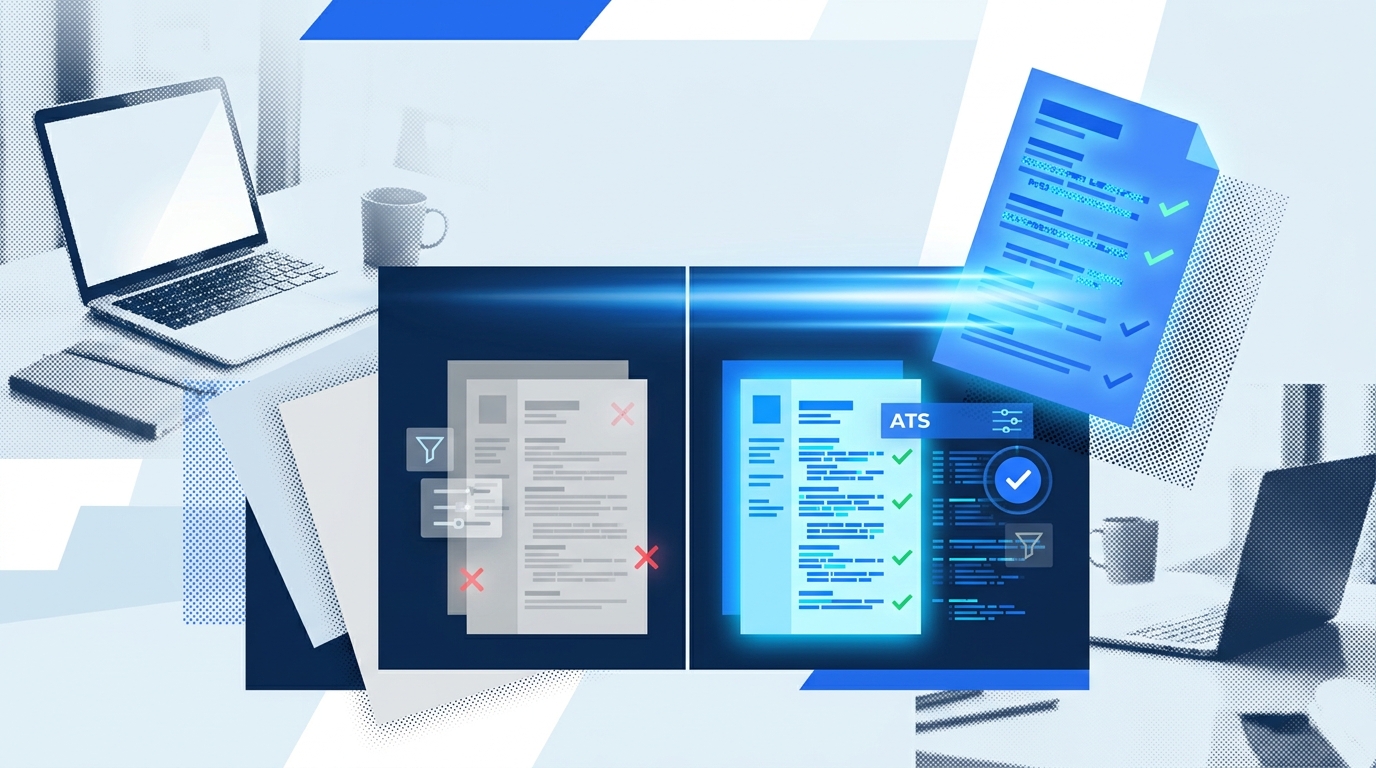
Enhancv scored highest across all four tested dimensions. The platform’s AI writing tool drafts bullet points and tailors resume content directly against job postings, while its ATS check flags specific missing keywords and skills rather than returning a vague compatibility score. The tool allows users to view a resume in two modes simultaneously: one as a recruiter would see it and one as an ATS would parse it, providing immediate visual confirmation that structure remains machine-readable while skills appear correctly in parsed fields.
“The ATS score functions as guidance and tells you what to fix instead of pretending a number above 80 guarantees an interview, which no builder can honestly promise,” the report stated. For job seekers assembling multiple tools for writing, checking, and tailoring, Enhancv’s consolidated feature set eliminated the need to coordinate separate services.
The testing team noted that to pass ATS screening effectively, candidates should mirror a job posting’s exact phrasing to improve keyword matches, then pair that with quantified bullet points such as “cut onboarding time by 30%” rather than generic phrases like “improved onboarding.”
Other Builders Ranked by Strengths and Limitations
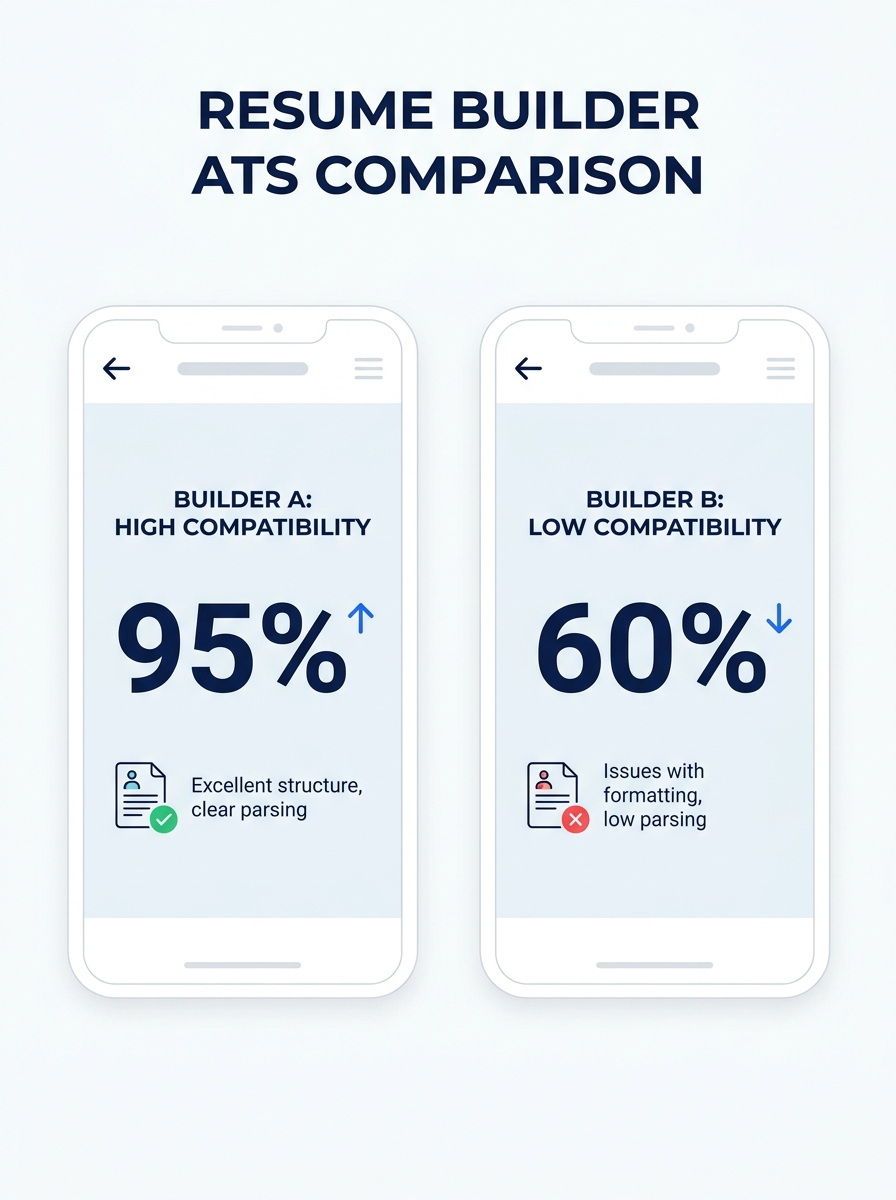
Zety placed second for its step-by-step wizard and library of pre-written phrases, though matching content to specific job postings remained manual work. Kickresume offered one of the larger template libraries tested and returned an immediate ATS compatibility score in its free tier, but detailed explanations of which keywords or sections lowered that score stayed locked behind a paid upgrade.
Teal earned recognition for its job tracker dashboard, which bookmarks listings, tracks application status, and organizes searches in one interface. The platform’s resume tool scores documents against job descriptions, but detailed recommendations require a paid subscription.
Canva served as the cautionary case. Testing across major ATS platforms found that Canva’s infographic-style resumes parsed at lower rates than those created in dedicated resume builders. The issue stemmed not from visual style but from key information embedded inside graphic elements that ATS software cannot read as text.
The 75% Auto-Reject Myth Debunked by Recruiter Data
The widely cited claim that 75% of resumes receive automatic rejection from ATS software traces back to a 2012 sales presentation by Preptel, a resume company that closed in 2013 without publishing methodology for the figure, the report found. Recruiter surveys show a different reality: only 8% of recruiters configure their ATS to auto-reject applicants based on content or match score, while the remaining 92% rely on human review of ranked candidates.
An applicant tracking system performs three core functions: it parses resume content into structured fields such as name, job titles, dates, and skills; stores that data in a searchable database; and ranks submissions against a job posting’s required keywords and skills. The goal for job seekers is not bypassing software but achieving clean parsing, strong keyword alignment, and ranking high enough that a recruiter opens the file.
Format and File Type Determined Pass-Fail Outcomes
Single- and double-column layouts consistently parsed correctly across all tested ATS platforms. Standard section headings such as “Work Experience” and “Skills” outperformed creative alternatives like “My Journey” in every test, since tracking systems scan for expected labels when categorizing resume data.
File type also affected parsing success. Resumes exported as .docx or text-based PDF files read cleanly, while image-based exports sometimes appeared entirely blank to ATS software. The most significant finding was that mirroring a job posting’s exact phrasing—rather than paraphrasing requirements—improved keyword match scores substantially.
The Takeaway
The premise that resume builders “beat” an adversarial ATS misunderstands how applicant tracking systems function. These platforms rank and file submissions rather than actively rejecting them, and the tools that delivered measurable advantage were those combining writing assistance, real-time ATS feedback, and job-specific tailoring in a single interface. Job seekers gain ground by tailoring content to match posting language, using quantified achievements in bullet points, and maintaining simple, standard-heading formats that parse reliably—work that good builders facilitate but cannot automate entirely. For readers evaluating top resume builders, the test results suggest prioritizing platforms that surface specific parsing errors and keyword gaps over those that return vague compatibility scores without actionable next steps.