

 4.9
4.9 4.5
4.5The Hans India published career development guidance on September 11 identifying six core strategies professionals should adopt to maintain employability as automation, artificial intelligence, and economic shifts reshape traditional career paths, according to the editorial piece. The framework targets students and mid-career professionals navigating what the publication characterizes as non-linear, unpredictable career trajectories.
TL;DR: The Hans India outlined six strategies for career resilience on September 11, emphasizing lifelong learning, digital fluency, and transferable skills as industries undergo rapid transformation.
The guidance arrives as traditional career models—single-degree credentials carrying professionals through decades-long tenures—give way to continuous reskilling demands. “Gone are the days when a single degree or qualification would carry you through your entire career,” the publication stated, noting that new professions emerge every decade while existing industries reinvent core functions.
Six-Strategy Framework for Career Adaptability
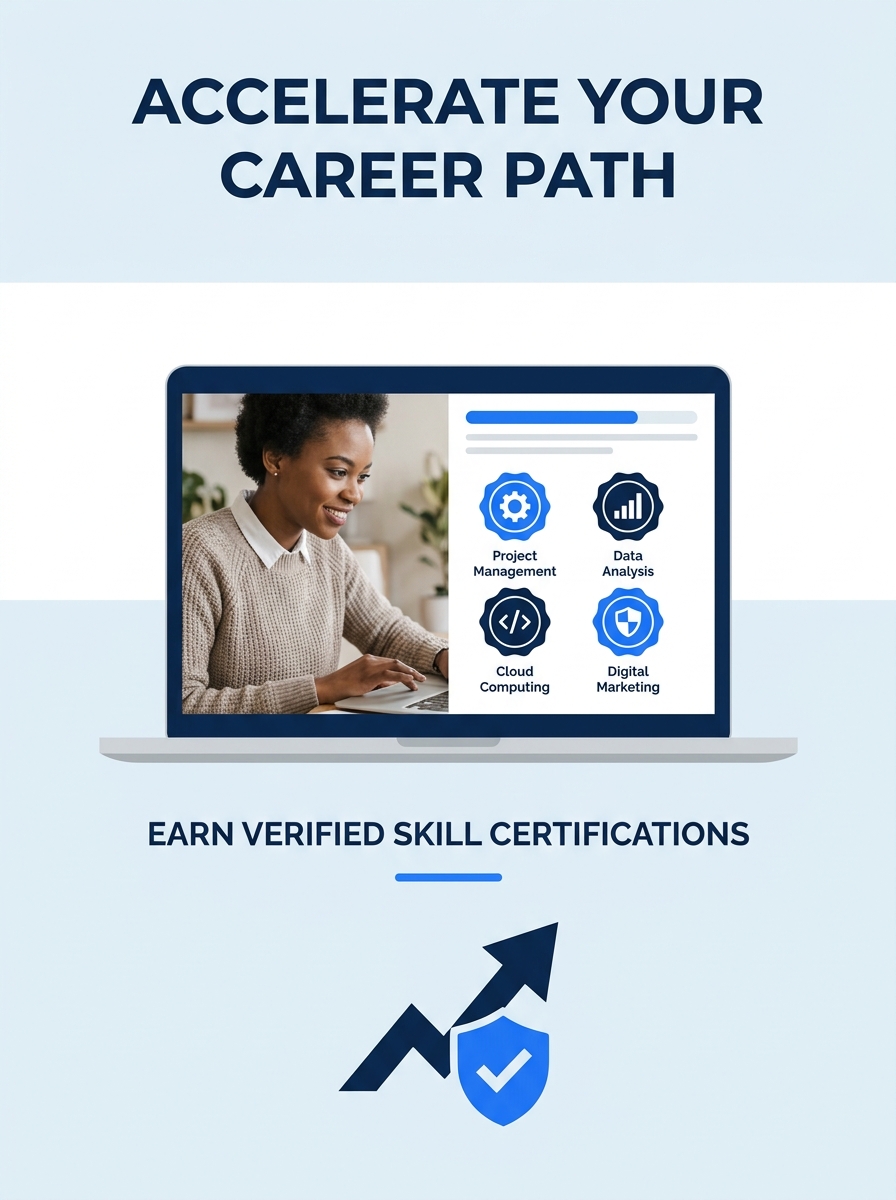
The Hans India identified lifelong learning as the foundational strategy, recommending professionals dedicate monthly hours to skill upgrades through online courses, certifications, webinars, or self-study formats. The publication cited a marketing student learning data analytics as an example of cross-disciplinary positioning, noting such combinations open pathways to digital marketing roles.
Digital fluency constitutes the second pillar, with the guidance asserting that technology proficiency is “no longer optional” across professions. The piece referenced teachers using e-learning platforms, doctors working with digital health records, and architects employing AI-driven design software as evidence that non-technical fields now require extensive digital tool use.
Transferable skills—communication, teamwork, problem-solving, and critical thinking—form the third element. The publication characterized these competencies as “the foundation of career resilience,” noting they retain value across industry shifts.
Networking and Flexibility as Market-Response Mechanisms
The fourth strategy emphasized professional networking beyond transactional contact-gathering, advocating for “authentic, long-term relationships” through professional associations, conferences, and online forums. “Who you know can be as important as what you know,” the guidance stated, particularly during industry disruptions.
Adaptability to change emerged as the fifth recommendation. The Hans India described modern careers as “less about climbing a straight ladder and more about navigating a shifting web of opportunities,” citing ride-hailing apps’ transportation industry impact and e-commerce’s retail transformation as precedents. The publication encouraged professionals to consider lateral moves, new geographies, or interdisciplinary work.
The framework’s final component addressed well-being and work-life balance, positioning mental, physical, and emotional health as prerequisites for sustained career growth. The guidance warned that burnout can “derail even the most skilled professional,” recommending regular exercise, mindfulness practices, and healthy work boundaries.
Similar emphasis on skills-first strategy appeared in Forbes Coaches Council guidance earlier this year, as traditional career pathways continue fragmenting across sectors.
Implementation Recommendations
The Hans India advised professionals to experiment with emerging industry tools early and to track technological developments within their fields. For technical expertise development, the publication suggested combining specialized knowledge with broader competencies to maximize career resilience.
The guidance positioned future-proofing as preparedness rather than prediction, stating that professionals equipped with “technical expertise, transferable skills, a growth mindset, and a strong network” can transform uncertainty into opportunity.
Job seekers applying these principles to their LinkedIn optimization may find particular value in the digital fluency and networking recommendations, as recruiter search algorithms increasingly weight active engagement and skill breadth.
The Takeaway
The Hans India’s six-strategy framework reinforces what career coaches have emphasized throughout 2026’s volatile job market: single-credential career models no longer provide sufficient insurance against disruption. For job seekers and mid-career professionals reading this site, the lifelong learning and transferable skills components translate directly to resume positioning—applications that demonstrate continuous skill acquisition and cross-functional competencies consistently outperform static credentials in recruiter screening.
The digital fluency recommendation carries particular weight as LinkedIn’s recruiter AI tools now parse profiles for technical tool mentions and platform proficiencies. Professionals who dedicate monthly hours to skill upgrades, as the guidance suggests, gain both the competencies themselves and the résumé proof points that pass ATS filters.
The networking emphasis aligns with industry data showing 70% of job placements originate through referrals rather than cold applications—making “authentic, long-term relationships” a quantifiable job-search advantage, not soft-skill rhetoric.