

 4.9
4.9 4.5
4.5ThimPress published a step-by-step guide on building applicant tracking system-compatible resumes with artificial intelligence tools on October 1, according to the company’s blog. The guide recommends job seekers start with job description analysis before using AI resume builders and warns against fabricating achievements to inflate perceived relevance to screening software.
TL;DR: ThimPress released a guide advocating job description analysis as the foundation for ATS-friendly resume creation, cautioning that AI tools should refine structure and clarity rather than invent credentials.
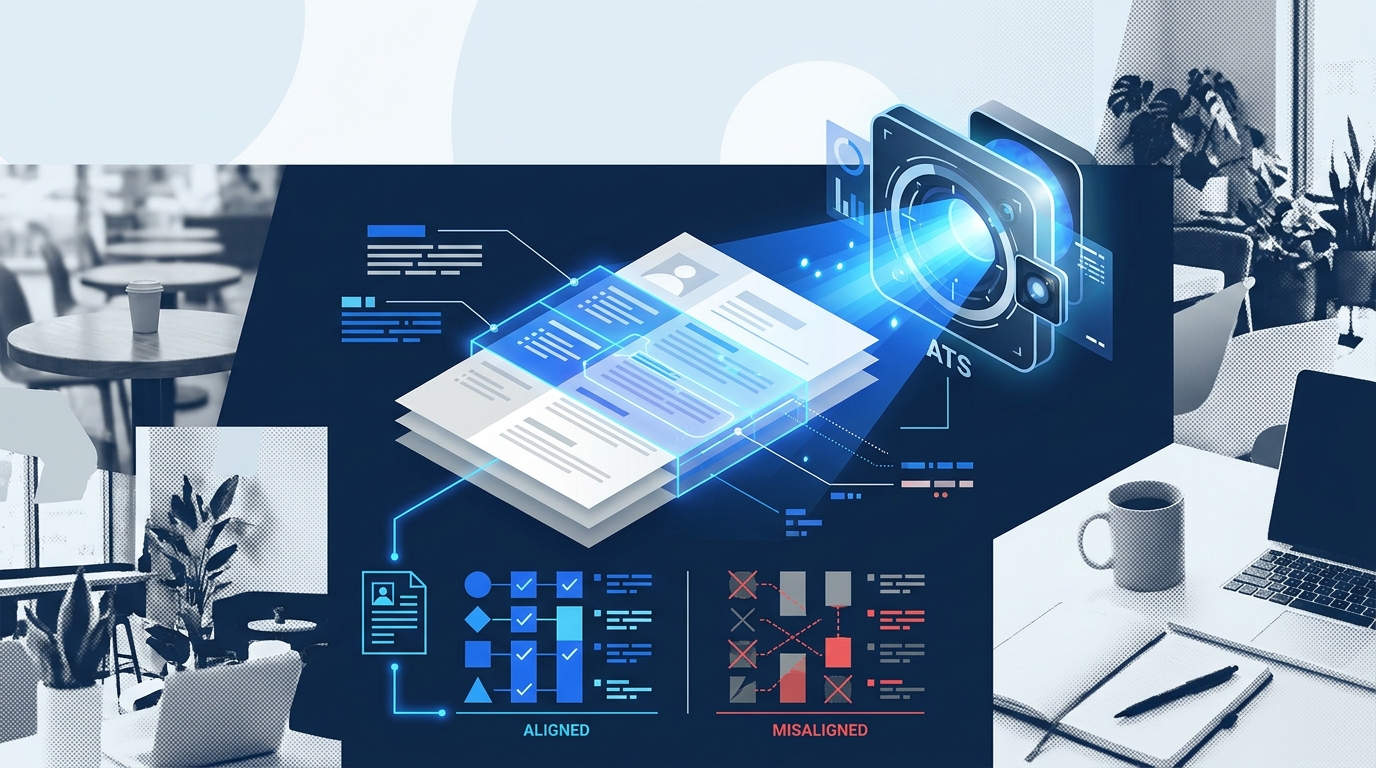
The guide defines ATS-friendly design as formatting that allows applicant tracking systems to reliably extract work experience, skills, education, job titles, and employment dates. “An ATS-friendly resume is structured so an applicant tracking system can reliably identify information such as your work experience, skills, education, job titles, and dates,” the guide states. The publication emphasizes that optimization does not mean keyword density maximization or writing exclusively for software parsing.
Four-Step Framework Centers Job Description Review
ThimPress structures the process around four sequential steps, beginning with job description study before resume drafting starts. The guide instructs candidates to identify skills, responsibilities, tools, and outcomes that appear repeatedly in target job postings. “The description gives you a picture of what the employer considers important,” according to the guide.
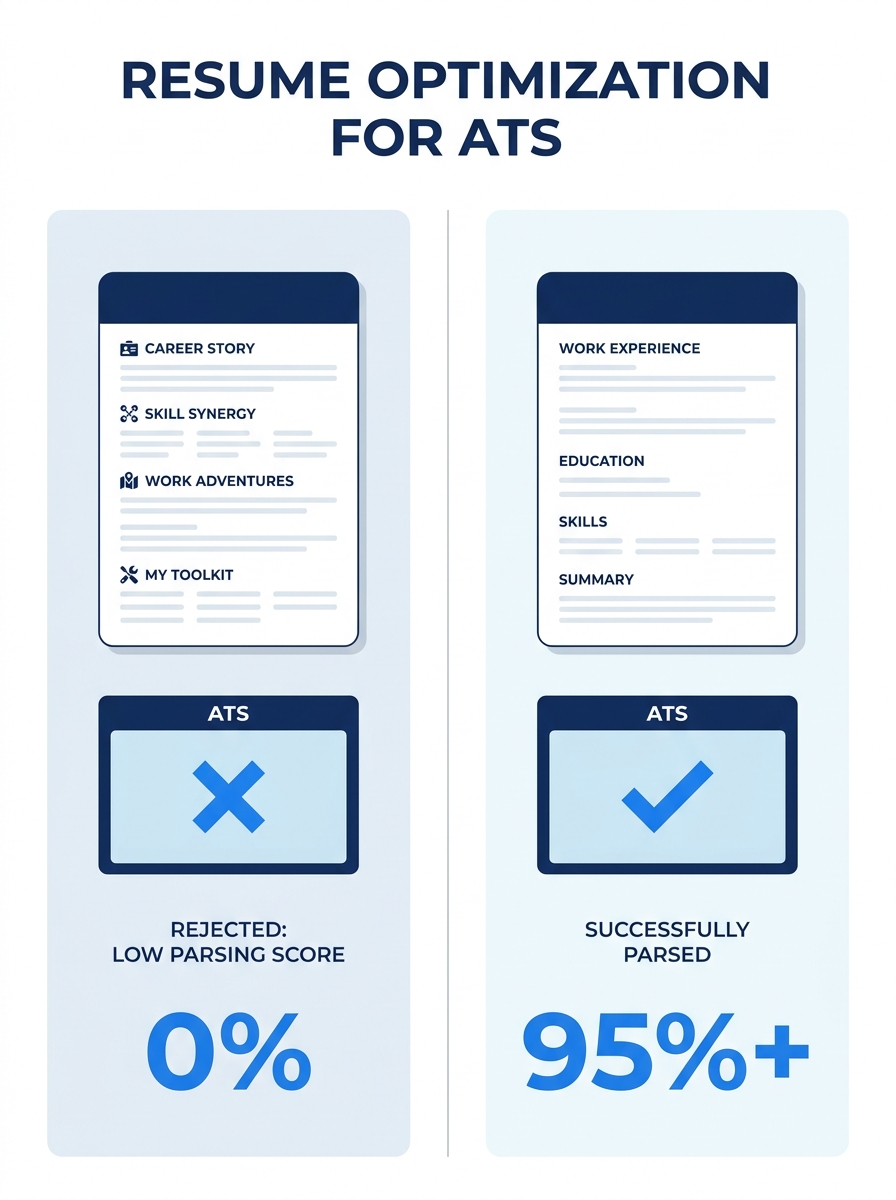
The second step focuses on resume architecture using standard section headings. ThimPress recommends “Work Experience” over creative alternatives such as “My Professional Journey” and “Skills” rather than “What I Bring to the Table.” The guide states that standard headings reduce interpretation ambiguity for both ATS platforms and human recruiters.
Step three advocates converting responsibility descriptions into achievement statements using an “action + task + outcome” formula. The guide contrasts “Managed customer support” with “Managed customer support across email and live chat, helping reduce average response time by 22%.” ThimPress emphasizes that outcomes may include projects completed, processes improved, time saved, or responsibilities earned—not exclusively percentage-based metrics.
Guide Warns Against AI-Generated Fabrications
The fourth step introduces AI resume builders as draft-creation tools while establishing a boundary condition. “If you do not know that response time fell by 22%, do not use the number,” the guide states. ThimPress cautions that AI tools can suggest stronger bullet points but should not invent results candidates cannot later defend in interviews.
The guide references QuillBot’s Resume Builder as one platform that can organize work history into structured formats and refine descriptions. ThimPress positions AI as most useful “when you know what you did but” struggle with professional phrasing or resume structure conventions.
The publication distinguishes between keyword optimization and keyword stuffing. ThimPress advises using employer terminology only when it “accurately reflects your experience,” stating that candidates should “never add a skill simply because it appears in the job description.” This approach contrasts with earlier ATS optimization strategies that emphasized maximum keyword density regardless of actual experience.
Industry Context on ATS Screening Rates
The guide does not cite specific ATS adoption rates among employers, though multiple resume builder reviews track the prevalence of applicant tracking systems across different organization sizes. ThimPress frames the guide as addressing a disconnect between polished resume appearance and machine readability: “A resume can look polished and still struggle before a recruiter ever sees it.”
The publication format follows a tutorial structure with subheadings for each step and example comparisons showing weak versus strong bullet points. ThimPress provides the guide without requiring email signup or account creation, making the full methodology immediately accessible.
The Takeaway
The ThimPress guide joins a growing body of AI-assisted resume creation resources that attempt to balance automation efficiency with credential accuracy. The emphasis on job description analysis before AI tool use suggests a maturing understanding that applicant tracking systems parse content for semantic relevance rather than simple keyword presence. For job seekers building resumes with AI assistance, the guide’s prohibition on fabricated achievements establishes a clear ethical boundary—one that becomes enforceable the moment an interview transitions from resume review to verification questioning. The recommendation to use standard section headings over creative alternatives may reduce individual differentiation but reflects the practical reality that most ATS platforms parse “Work Experience” more reliably than idiosyncratic alternatives. Candidates weighing whether to adopt the four-step framework should recognize that job description alignment precedes formatting optimization; the structure you choose matters less than whether the content demonstrates verified capability in the specific areas the employer prioritized in their posting.