


 4.9
4.9 4.5
4.5Job seekers face inappropriate and potentially illegal questions during interviews without human resources oversight, according to a report published August 17, 2026, by career coach Lida Citroen on Military.com. Citroen documented two cases: a Wall Street firm manager telling a female naval officer “even though you’re a girl” she would be expected to work 80-100 hours weekly, and a health care consulting firm interviewer accusing a former Army intelligence officer of cheating during a skills assessment and dismissing him from the interview.
TL;DR: Career advisors report rising instances of discriminatory interview questions and hostile interviewer behavior, particularly in settings without HR professionals present, prompting guidance on legal boundaries and in-the-moment response protocols.
The reported incidents highlight a gap between federal employment law and actual hiring-room conduct. Both cases Citroen described occurred without a trained human resources representative present, which she identified as a structural factor in the violations.
Documented Boundary Violations
The Wall Street investment firm case involved a qualified candidate with the required education, credentials, and certifications. The functional team manager’s comment explicitly referenced the candidate’s gender while describing work expectations, according to Citroen’s account. The health care consulting firm incident involved a candidate with a bachelor’s degree in economics and a master’s in finance and accounting who was asked to assess a complex chart during a third interview. When the candidate completed the analysis successfully, the interviewer accused him of receiving the test in advance and ended the interview, Citroen reported.
Neither interview included an HR professional who could have intervened or documented the exchange. Citroen noted that trained human resources representatives typically ensure conversations remain “both legally defensible and professionally dignified.”
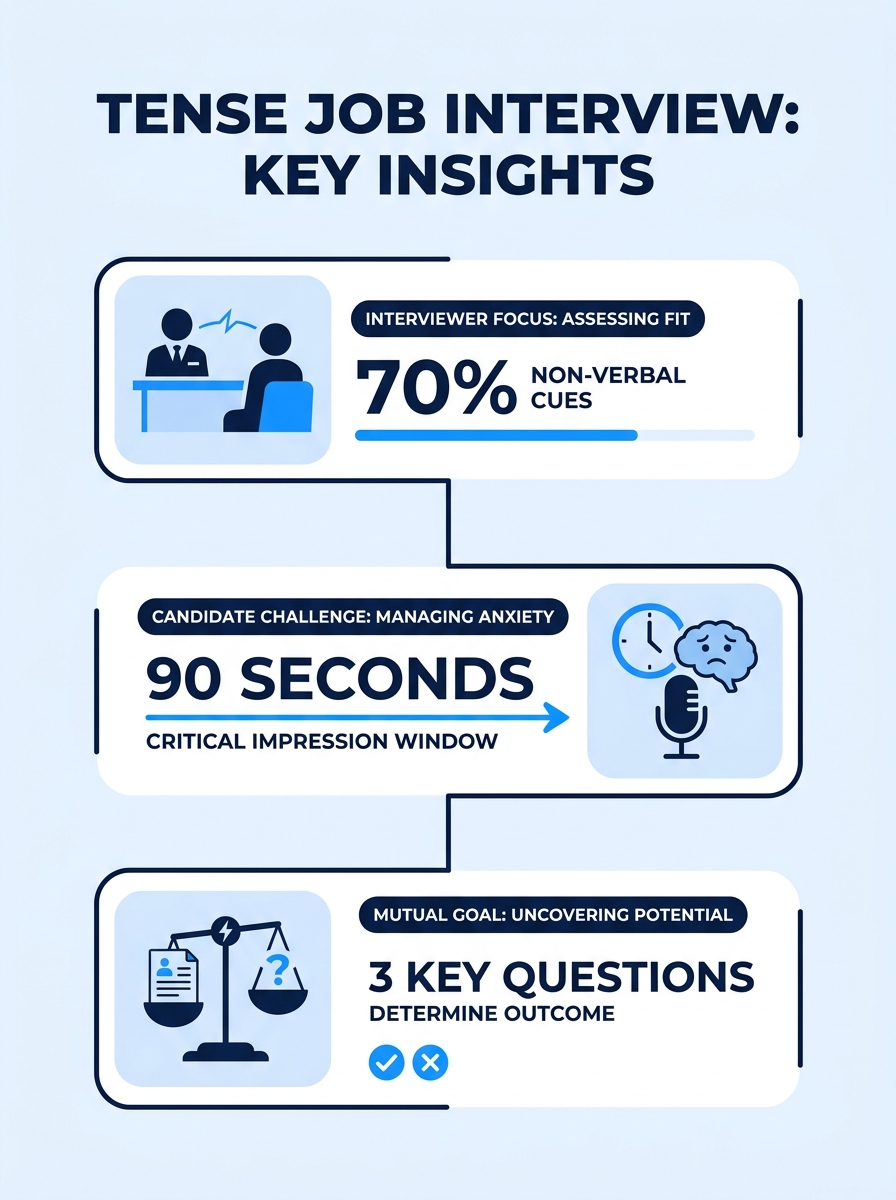
Federal Protections and Prohibited Questions
The U.S. Equal Employment Opportunity Commission restricts employers from asking about age, marital status, religious beliefs, ethnicity, disability, lifestyle choices, or nationality unless directly relevant to legal work eligibility, according to the Military.com report. Before extending a job offer, employers cannot ask questions about visible or invisible disabilities or pose questions likely to reveal a disability. They may ask candidates to describe or demonstrate how they would perform specific job tasks, but medical history and physical condition inquiries remain off limits.
Questions such as “How old are you?”, “Are you planning to have children?”, “Where were your parents born?”, or “Wouldn’t your husband prefer to support you financially?” violate federal guidelines, Citroen wrote. The EEOC framework applies across all protected categories, not only to overt discrimination but to questions that could reveal protected information.
Four-Step Response Protocol
Citroen outlined a measured response sequence for candidates who encounter inappropriate questions. The protocol avoids both confrontation and capitulation:
First, pause without responding immediately. The interviewer may recognize the violation and self-correct. Second, ask the interviewer to repeat or rephrase the question, which confirms what was said and provides an opportunity for the interviewer to retract. Third, take deliberate physical steps to regulate stress: breathe, relax shoulders, and allow heart rate to settle before speaking. Fourth, respond with neutral language that redirects the conversation. Citroen suggested phrases such as “I’d prefer to keep the conversation focused on the role” or “I think we may have a difference in values here. I’m happy to take your next question.”
This framework prioritizes composure over retaliation. “This isn’t the time for a sharp comeback or a dramatic walkout,” Citroen wrote. The approach signals awareness of the violation without escalating the situation, which protects the candidate’s professional reputation regardless of whether they continue pursuing the role.
Similar guidance on managing difficult interview dynamics appears in broader interview preparation frameworks that address power imbalances and evaluative stress.
Post-Interview Assessment
Citroen framed inappropriate questions as diagnostic information about organizational culture. “An inappropriate interview question is intelligence: It reveals the culture, the leadership and the values of the person (and the organization) sitting across the table from you,” she wrote. The behavior of hiring managers during interviews predicts their behavior as supervisors after hire.
Candidates should evaluate whether they want to work for an organization that permits or models boundary violations during recruitment. A difficult job market creates pressure to overlook red flags, but Citroen warned that “a toxic work culture doesn’t improve once you’re on the payroll.” The absence of HR oversight in the documented cases suggests systemic rather than individual failure.
Strategy Implications
Interview misconduct serves a dual function for prepared candidates: it tests boundary-setting skills while revealing culture fit before you commit. The four-step protocol Citroen documented—pause, clarify, steady, respond—translates to any high-stakes conversation where you need to assert professional limits without burning the bridge. Practice the neutral redirect phrases until they feel automatic; awkward phrasing under stress signals inexperience, while calm redirection signals maturity.
The deeper skill is post-interview triage. Track whether HR was present, how the interviewer responded when you redirected, and whether the question was isolated or part of a pattern. A single clumsy question from a nervous hiring manager differs from repeated boundary violations or dismissive reactions when you push back. One incident may warrant a second conversation; a pattern should end your pursuit. Document the exchange immediately after the interview while details remain clear—if you later file an EEOC complaint or negotiate exit terms, contemporaneous notes carry weight.
Candidates often misread market pressure as a reason to accept poor treatment. The calculus runs the other direction: accepting a role after documented misconduct during hiring hands negotiating use to an employer who has already demonstrated they will exploit it. If the organization crosses legal boundaries when they need you most—during courtship—the violations compound once you’re dependent on the paycheck.