

 4.9
4.9 4.5
4.5IBTimes published a review of resume building platforms on April 24 identifying four tools that address the shift toward AI-integrated applicant tracking systems, according to the analysis. Enhancv, Zety, Resume.io, and Novoresume emerged as category leaders serving distinct candidate segments from entry-level applicants to senior executives.
The ranking arrives as major employers deploy behavioral and semantic modeling in their ATS platforms, creating what the publication described as a “paradoxical state” where remote work expands opportunity while automated screening eliminates candidates earlier in the hiring process. Resume builders have evolved from static template libraries into AI-powered application assistants that parse job descriptions and tailor content to match employer requirements.
Enhancv Targets Senior Professionals
The review positioned Enhancv as the premium option for mid-to-senior level candidates who need to justify high salary brackets through sophisticated personal branding. The platform’s one-click resume tailoring feature matches candidate content to job descriptions by enriching documents with relevant keywords, the analysis found.
Enhancv templates strike what IBTimes called a “rare balance” between visual impact and professional restraint. The drag-and-drop canvas allows users to structure large volumes of career information without overwhelming recruiters, according to the review. The tool serves candidates who must convey compelling career narratives across multiple pages of accomplishments.
Zety Guides Inexperienced Resume Writers
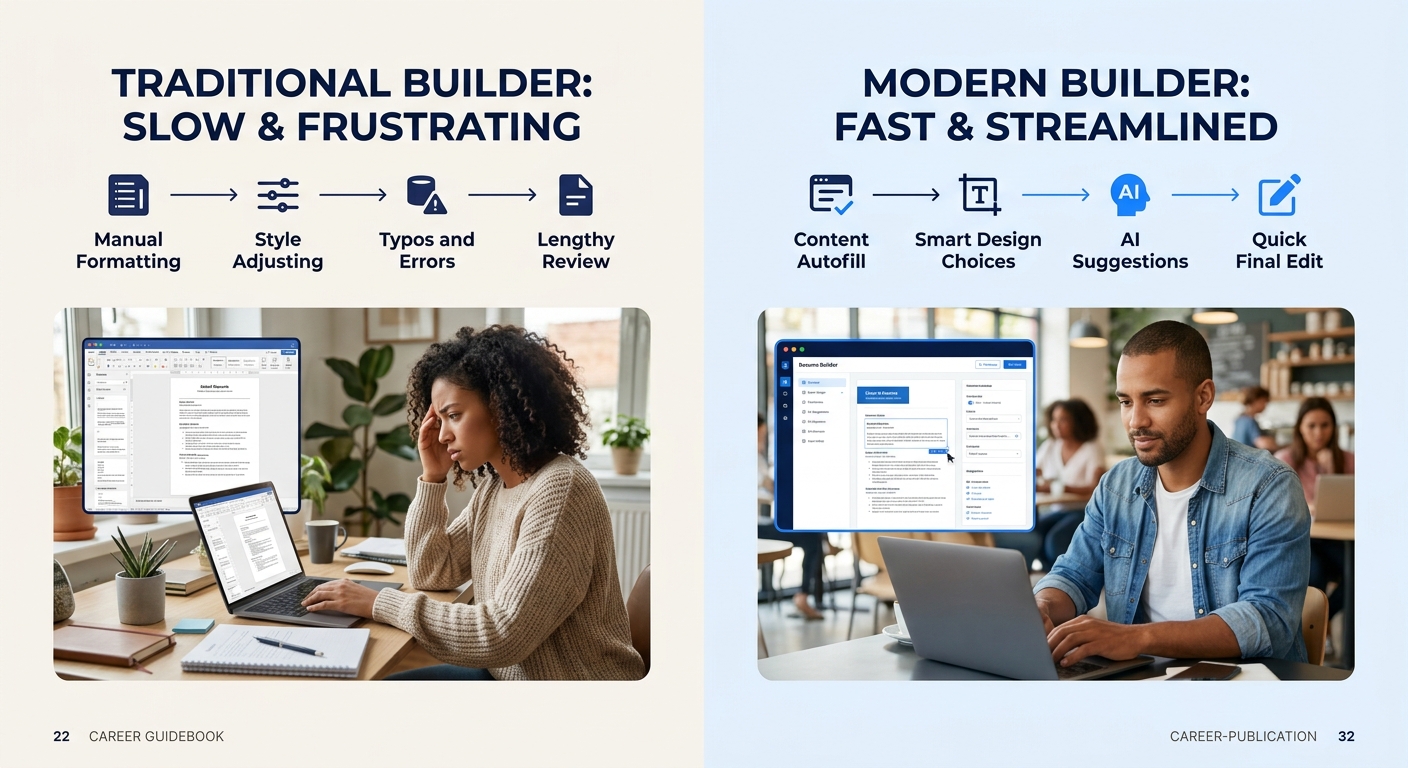
Zety emerged as the recommended platform for candidates who lack confidence in their writing ability. The tool employs a wizard-style sequential process that prompts users with questions about their career history, then populates content blocks with professionally vetted bullet points and skills matched to specific job titles.
The platform’s real-time quality scoring system monitors documents for common errors including missing information, weak action verbs, and incomplete sections. IBTimes noted the massive library of pre-written content allows users to edit existing professional language rather than compose descriptions from scratch.
Resume.io Prioritizes Speed
Resume.io received recognition for rapid deployment capability aimed at freelancers and gig economy workers who need professional documents in under ten minutes. The platform’s one-click customization feature lets users duplicate and modify resumes for different roles within seconds.
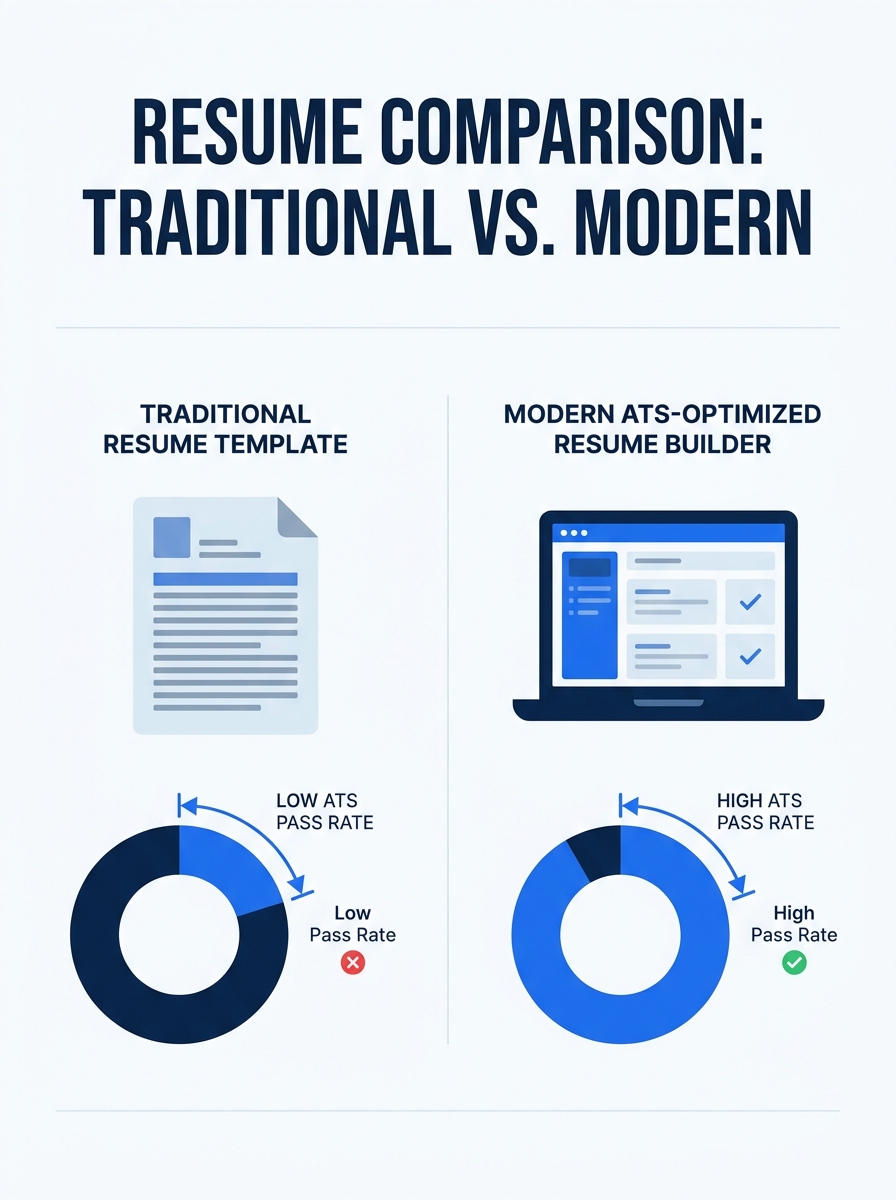
The tool’s templates underwent testing against modern applicant tracking systems to verify parsing accuracy, according to the review. IBTimes highlighted this validation as critical for candidates who apply to multiple positions quickly and cannot afford formatting failures that cause ATS rejection.
Novoresume Applies Eye-Tracking Research
Novoresume distinguished itself through what IBTimes described as a “scientific approach” to information architecture based on eye-tracking studies. The platform’s templates position critical career details where human eyes naturally land during document review, addressing the cognitive load recruiters experience when scanning applications.
The fixed layout design ensures formatting remains intact across different devices and ATS platforms. The review noted this focus on visual hierarchy serves the reality that recruiters skim resumes before conducting deeper evaluation.
ATS Integration Drives Market Shift
The career tools market has transformed as applicant tracking systems adopted artificial intelligence for candidate screening, the analysis stated. Job boards now process thousands of applications per minute, creating what IBTimes characterized as “diminishing returns” for candidates who rely on volume-based application strategies.
Resume builders must now prioritize ATS parsing architecture that correctly indexes headers, job titles, skills, and dates without breaking visual layout. The review established three baseline criteria for effective tools: advanced parsing capability, AI features that deliver productivity gains, and dynamic personalization options that allow human-centric differentiation.
The publication emphasized that AI integration should help candidates align content with job description intent rather than simply automate formatting. Personalization through unique career narratives and skills that artificial intelligence cannot replicate emerged as the differentiation factor in competitive markets.
Why This Matters Now
The IBTimes ranking provides decision-making guidance for job seekers navigating a market where resume quality directly determines interview access. Applicant tracking systems eliminated the era when any professionally formatted document could advance to human review. Candidates must now select tools based on their specific career level and the types of roles they target.
The review’s segmentation by user need offers practical value: senior professionals require different capabilities than recent graduates, and freelancers face different speed requirements than corporate job seekers. The emphasis on ATS parsing accuracy and AI-powered tailoring reflects the technical reality that resumes must first satisfy automated screening before reaching human evaluators.
For candidates building or updating resumes in the current environment, the analysis clarifies that template aesthetics matter less than functional alignment with both ATS algorithms and recruiter scanning patterns. The platforms that combine parsing reliability with genuine personalization capability address both gatekeepers in the modern hiring process.