

 4.9
4.9 4.5
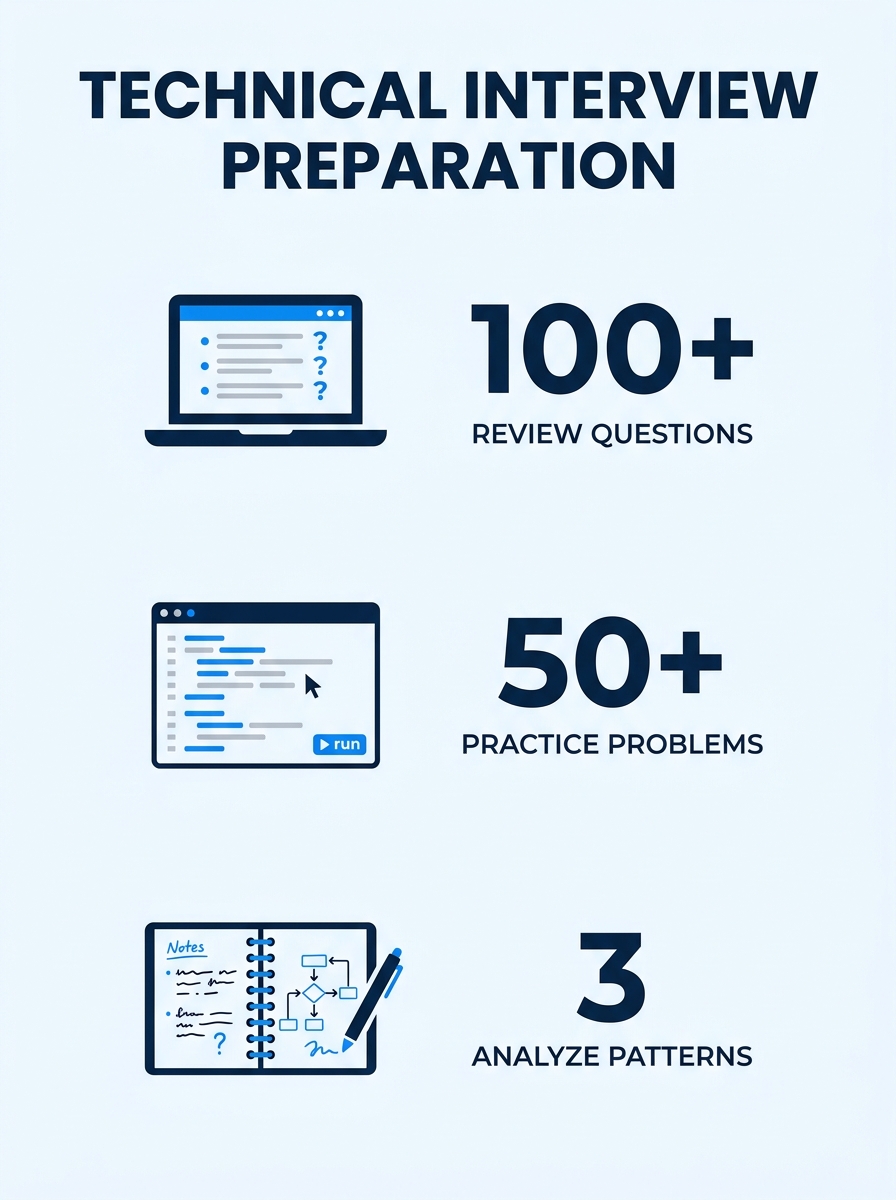
4.5TalentTuner.app published a comprehensive software engineer interview preparation guide on June 22, 2026, cataloging more than 50 real interview questions across four categories with 11 annotated STAR-method answer examples, according to the platform’s research team. The guide breaks down typical interview structures used by major tech employers including Google, Amazon, and Meta, detailing the standard four-round process that spans four to six hours of total on-site interview time.
TL;DR: TalentTuner released a 50+ question software engineer interview guide June 22, 2026, providing STAR-formatted answers and specific breakdowns of the multi-round technical interview process used at top tech companies.
The resource organizes questions into behavioral assessments, technical coding challenges, system design discussions, and workplace scenario evaluations. Each of the 12 primary questions includes sample answers structured using the STAR framework—Situation, Task, Action, Result—along with lists of common mistakes candidates make and tactical tips for each question type.
Interview Structure Breakdown Shows Multi-Stage Process
The guide outlines the standard software engineering interview loop: phone screen, technical coding screen using platforms like CoderPad or HackerRank, on-site rounds involving three to five separate sessions, and a final hiring manager conversation. The technical screen typically involves whiteboard coding or live coding exercises focused on algorithm problems and data structures.
One example question documented in the guide asks candidates to describe a challenging bug they debugged, with the sample STAR answer detailing a production payment processing failure affecting 5% of transactions. The annotated response shows how the candidate isolated a race condition introduced three days prior, implemented mutex locks, and prevented an estimated $50,000 in lost transactions—quantifying impact with specific dollar figures and resolution timelines.
Another behavioral question examines how candidates handle technical disagreements, using Amazon’s “Disagree and Commit” principle as the evaluation framework. The sample answer demonstrates advocating for AWS SQS over a custom message queue solution using a data-driven comparison document that saved $200,000 in development costs and compressed the launch timeline by two months.
Common Mistakes Catalog Targets Repeated Candidate Errors
Each question section includes a “Common Mistakes to Avoid” list, flagging errors like blaming teammates during debugging narratives, failing to back technical opinions with data during disagreement scenarios, and describing learning approaches without clear methodology. The guide also flags vague responses that lack quantifiable outcomes—a pattern that mirrors advice in the developer resume metrics translation playbook about converting technical work into measurable impact statements.
The technical question examples extend beyond behavioral scenarios into system design territory. Questions about learning new technologies quickly, handling tight deadlines, and working with legacy codebases each receive annotated STAR responses showing expected depth of technical detail and business impact quantification.
TalentTuner’s research team structured the guide for mid-level software engineers, though entry-level annotations appear on several questions. The format mirrors interview loops at companies that use structured scoring rubrics—a practice that has become standard across technical hiring since 2024, according to the platform’s documentation.
Format Emphasizes Actionable Detail Over Generic Prep
The guide emphasizes the “Action” component of STAR answers more heavily than situation setup, instructing candidates to detail specific tools, debuggers, profilers, and monitoring systems used during problem-solving. One “Pro Tips” section advises candidates to “use the STAR format but emphasize the ACTION heavily—interviewers want details,” suggesting evaluators score technical depth more than narrative structure.
For career changers entering software engineering roles, the guide’s systematic breakdown of expected answer components parallels strategies outlined in the transferable skills translation framework for converting non-technical experience into engineering terminology that passes applicant tracking systems and resonates with technical hiring managers.
The 12 core questions represent a subset of the full 50+ question bank TalentTuner documented. The platform did not specify whether the complete question set requires account creation or payment to access beyond the publicly available preview questions.
Why This Matters Now
Software engineering interview preparation in 2026 increasingly demands specific, quantified examples rather than generic competency statements. As technical hiring processes at major employers standardize around STAR-method behavioral assessments combined with algorithmic coding challenges, candidates need concrete answer frameworks that demonstrate both technical depth and business impact measurement—exactly what this cataloged question bank provides.
The timing aligns with the June hiring surge documented in recent job market data, when technical roles typically see increased posting volume as companies staff for second-half projects. Job seekers preparing for technical interviews now have access to annotated examples showing the exact level of specificity hiring managers score during behavioral rounds, particularly around quantifying outcomes and naming tools used during problem resolution.
For mid-career professionals targeting senior engineering roles or recent graduates entering their first technical positions, the guide’s mistake catalogs and tactical tips offer pattern recognition training—learning what interviewers penalize (blame-shifting, vague methodology, missing impact metrics) before walking into a four-to-six-hour interview loop. The intersection of behavioral STAR frameworks with technical credibility markers mirrors the dual-audience challenge engineers face when crafting resumes that pass both ATS parsing and human recruiter evaluation.