

 4.9
4.9 4.5
4.5Devshree Bharatia, a software professional who graduated from a Tier-3 college in Pune, detailed her progression from a ₹6 lakh per annum starting salary in India to a ₹2 crore annual role in the United States in an Instagram post published June 21, 2026, according to Hindustan Times. The post outlined specific interview preparation tactics, resume customization methods, and recruiter visibility strategies that Bharatia said took her three years to develop but could be applied by other job seekers within three months.
TL;DR: A software engineer shared a step-by-step breakdown of strategies—including LinkedIn visibility, tailored resumes, and DSA interview preparation—that drove her salary increase from ₹6 LPA to ₹2 crore over multiple career transitions.
The disclosure arrives as mid-career professionals and recent graduates increasingly seek concrete case studies on navigating career transitions from service-based companies in India to product-based roles in the US tech market. Bharatia’s post gained traction for breaking down tactical steps rather than general advice, addressing what she described as the trial-and-error phase many job seekers face without structured guidance.
Recruiter Outreach Over Job Portal Volume
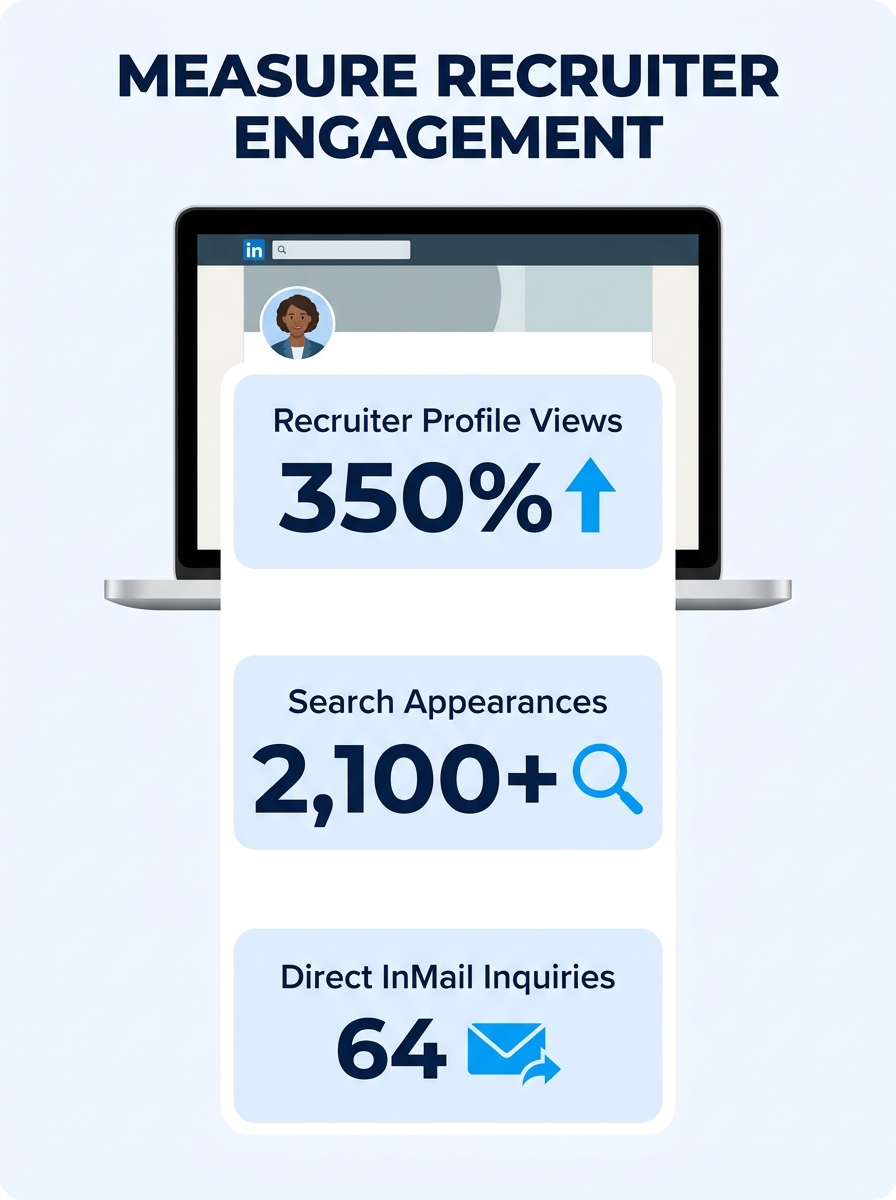
Bharatia emphasized proactive recruiter engagement rather than relying solely on application volume through job portals. “Everyone will tell you to apply to hundreds of jobs via LinkedIn, which you MUST. But if recruiters themselves reach out to you, you will have an edge,” she wrote in the Instagram post. The strategy centers on building visibility through consistent LinkedIn posting, which she clarified does not require full-time content creation. “You can schedule an entire month of content in just one day,” Bharatia stated, positioning the approach as a credibility-building exercise rather than follower growth.
She also warned job seekers about ghost job listings, stating that “nearly 30% of the jobs you apply to are ghost jobs.” Bharatia explained that many applicants attribute lack of response to rejection when the posted role was never actively filled, a distinction she said cost her time during her own job search.
Tailored Resume Strategy and ATS Optimization
Bharatia’s resume approach departs from single-version submissions. “A generic resume rarely works. Tailor your resume for every role by aligning it closely with the job description,” she wrote, highlighting ATS optimization and formatting as critical factors in securing initial shortlisting. The strategy mirrors practices covered in resume customization frameworks that translate experience into role-specific language hiring systems parse effectively.
For early-career candidates, Bharatia stressed including projects, hackathons, and research work to supplement limited job experience. The recommendation aligns with documented gaps between developer activity and resume visibility, where technical work exists but remains invisible to recruiters scanning standard resume sections.
Interview Preparation Across Technical and Business Case Formats
Bharatia outlined preparation across multiple interview formats: data structures and algorithms (DSA), system design, and business case-based rounds. She advised candidates to research target companies’ products and operational challenges before interviews, arguing that understanding a company’s specific problems allows candidates to anticipate technical and strategic questions more effectively.
The approach reflects broader interview preparation patterns where candidates who frame technical knowledge around business context demonstrate higher-order problem-solving rather than isolated coding ability. Bharatia’s emphasis on business case interviews—a format less common in India-based technical recruiting—signals the expanded skill set required for US product roles beyond pure engineering assessment.
The Takeaway
Bharatia’s case study offers mid-career professionals and recent graduates a concrete template for career acceleration grounded in specific tactics rather than aspirational messaging. The three-year-to-three-month compression timeline she proposes assumes access to the same resources—LinkedIn visibility tools, ATS-optimized resume formats, structured interview preparation content—but condensed into deliberate execution rather than reactive job searching. For job seekers currently navigating service-to-product transitions, the roadmap validates strategies like tailored resume customization and proactive recruiter engagement that quantified resume strategy shifts have shown to improve interview conversion rates.
The 30-percent ghost job figure Bharatia cited underscores persistent inefficiencies in the job application process that no individual strategy fully circumvents, but her emphasis on dual-channel effort—both application volume and recruiter visibility—addresses the statistical reality that passive application rarely drives senior technical offers. Career changers targeting similar salary trajectories should note that Bharatia’s progression occurred across multiple role transitions over three years, not a single leap, indicating iterative movement rather than one-time placement as the mechanism for exponential salary growth in competitive tech markets.