


 4.9
4.9 4.5
4.5Accepting $5,000 below market value at age 30 compounds to six-figure lifetime earnings losses when raises and retirement contributions tie to base salary, according to career guidance published June 3, 2026 by Nexford University. Most professionals avoid salary negotiation entirely because formal education systems never teach the skill, the analysis found, creating a predictable cost borne by employees rather than employers.
TL;DR: A $5,000 underpayment at 30 compounds to six-figure career losses, yet most professionals skip negotiation due to lack of training rather than qualifications or company problems.
Nicole Darling, the report author, identified three barriers that stop professionals from negotiating: lack of market-value knowledge, inability to frame the request, and fear of damaging new employer relationships. All three are solvable through preparation rather than personality changes, the guidance states.
Compensation Data Accessibility Eliminates First Barrier
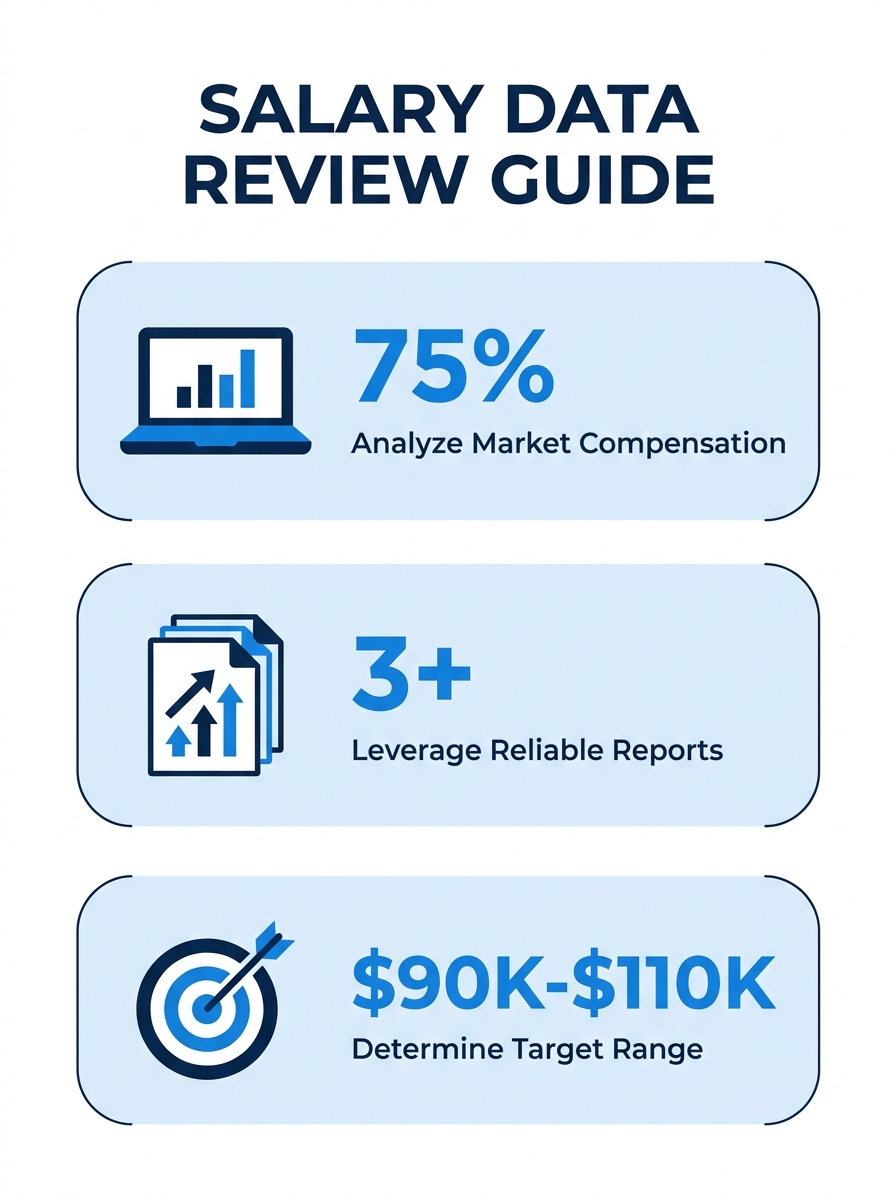
The “not knowing your number” problem stems from research failure rather than information scarcity, according to the June 3 analysis. Platforms including Glassdoor, LinkedIn Salary, and industry-specific surveys now provide enough data for professionals to enter conversations with defensible salary ranges tied to role, geography, and experience level.
“Vague market awareness is not enough,” Darling wrote. “You need a specific figure tied to your role, your geography, and your level.”
The framing barrier proves more stubborn. Most professionals anchor salary requests in personal financial needs—cost of living, lifestyle expenses—rather than value delivered to the employer. That approach fails consistently because organizations compensate for outcomes produced, not personal circumstances, the guidance emphasized.
Alumni Career Progression Data Shows Negotiation Impact
Nexford alumni landing roles at Unilever, Amazon, and Deloitte reported progression from entry-level positions to senior management and C-suite roles within 18 months of completing programs, according to institutional tracking data cited in the report. That velocity requires accepting offers above initial proposals rather than taking first figures presented, the analysis noted.
Professionals who understand their market position negotiate better starting salaries, resist lateral moves disguised as promotions, and recognize exit timing, Darling wrote. Clarity about market value functions as use rather than arrogance in compensation discussions.
The report outlined three negotiation rules for job seekers fielding offers. First, never provide a salary figure before receiving an offer; redirect early compensation questions by requesting the budgeted range for the position. Second, anchor high within a researched range because negotiation pulls toward middle ground. Third, negotiate total compensation beyond base salary—remote flexibility, performance review schedules, signing bonuses, professional development budgets, and title all carry dollar equivalents.
Access to career coaching and professional development resources qualifies as a benefit worth factoring into total compensation calculations, the guidance stated.
Three Obstacles Block Most Salary Conversations
The fear-of-relationship-damage barrier operates on faulty assumptions about employer expectations. Organizations making compensation decisions expect negotiation from qualified candidates, according to the Nexford analysis. Companies budget salary ranges rather than fixed figures specifically to accommodate negotiation without relationship friction.
Market-value research failures compound when professionals avoid preparation. A 2026 job seeker entering a final-round interview without knowing their role’s 25th, 50th, and 75th percentile compensation forfeits negotiating position before the conversation starts, the report noted.
The framing problem extends beyond opening asks into justification patterns. Professionals who anchor requests in years of experience or educational credentials rather than specific outcomes delivered weaken their position. “I have 10 years of experience” carries less weight than “I reduced processing time 40% in my current role and your job description emphasizes operational efficiency,” the guidance explained.
Readers managing interview pipelines may benefit from examining how silence functions as a negotiation tool during salary discussions, particularly when holding pause after an employer names a figure.
What This Means for Job Seekers
Job seekers currently in interview rounds or expecting offers face a preparation gap that costs more than any resume optimization error. The compound effect of underselling by $5,000 means every dollar left on the table at offer acceptance multiplies across subsequent raises, bonuses calculated as base-salary percentages, and retirement contributions tied to earnings.
The accessibility of compensation data through Glassdoor, LinkedIn Salary, Levels.fyi, and industry association surveys eliminates the information-scarcity excuse. A candidate who spends 15 hours perfecting resume bullets but zero hours researching market compensation for their target role has inverted priorities.
Negotiation is not a personality trait reserved for extroverts or aggressive hagglers. It is preparation work: knowing the market range, identifying the value delivered, and practicing the redirect when asked for expectations before an offer arrives. Professionals earning $15,000 more than peers in identical roles are not necessarily more skilled—they prepared for a five-minute conversation that others avoided.