
 4.9
4.9 4.5
4.5In a world where AI is screening resumes and recruiters are skimming applications in seconds, many job seekers wonder: Do cover letters still matter?
The answer is yes—but only if you do them right.
A modern cover letter isn’t just a formality. It’s your chance to add context, show personality, and strengthen your resume. When done well, it can be the deciding factor that pushes your application to the top of the pile.
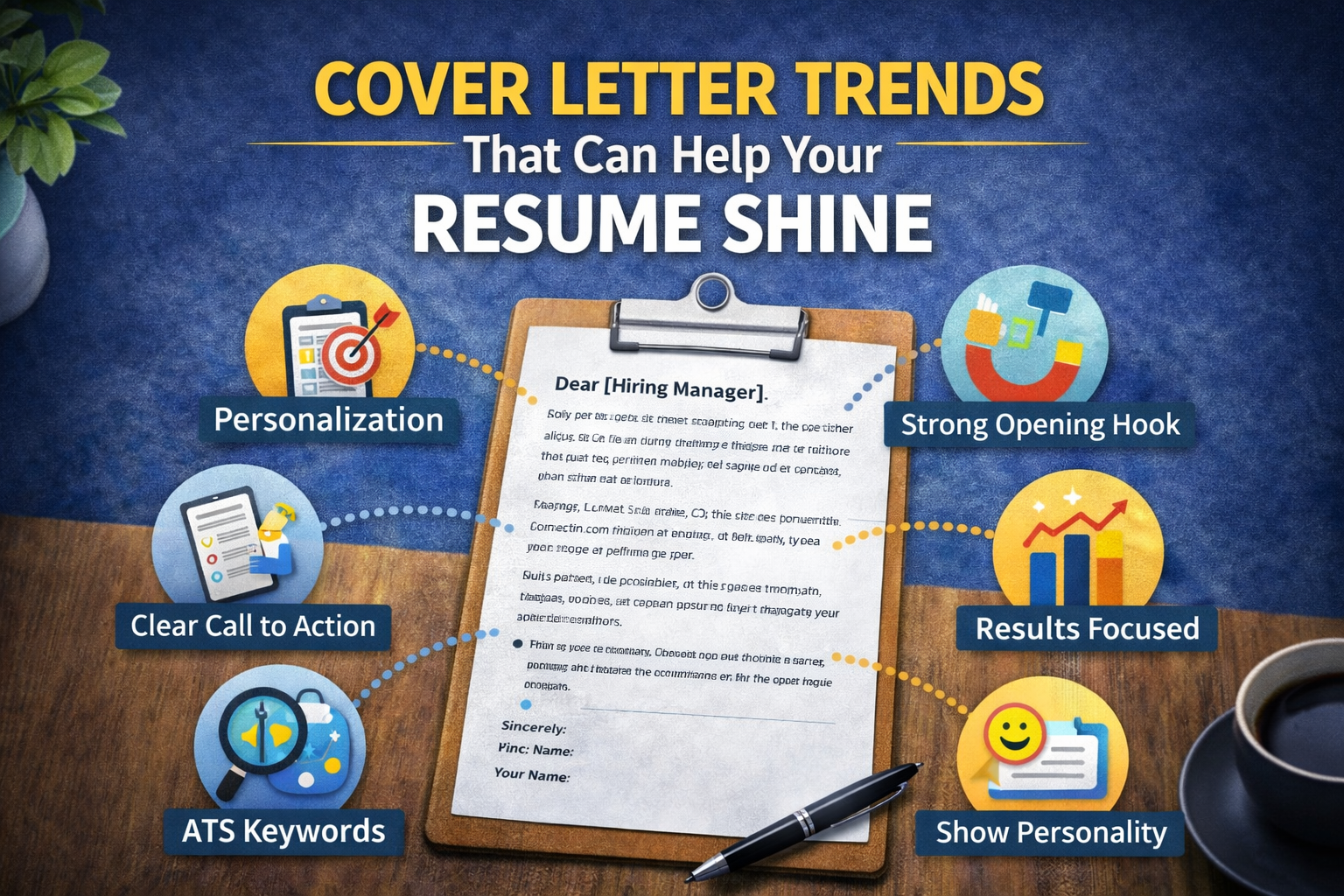
Let’s explore 8 cover letter trends in 2026 that can help your resume stand out and increase your chances of landing interviews.
1. Personalization Is No Longer Optional
Generic cover letters are easy to spot—and even easier to ignore. Today’s hiring managers expect tailored applications that clearly connect your experience to the role.
Instead of starting with “To whom it may concern,” take time to research the company and, if possible, address the hiring manager by name.
What to include:
- Company name and role
- Why you’re interested in this company
- How your skills align with their needs
Why it works: Personalization shows effort, attention to detail, and genuine interest—all qualities employers value.
2. A Strong Opening Hook Matters More Than Ever

Recruiters don’t read every cover letter word-for-word. That’s why your opening paragraph needs to grab attention immediately.
Skip the standard introductions and lead with something impactful.
Example:
“After increasing customer retention by 35% in my previous role, I’m excited about the opportunity to bring similar results to your team.”
Why it works: A compelling hook gives recruiters a reason to keep reading.
3. Focus on Results, Not Responsibilities
Just like resumes, cover letters are shifting toward results-driven storytelling. Employers want to know what you’ve achieved—not just what you’ve done.
Instead of listing duties, highlight measurable accomplishments.
Example:
- Weak: “Responsible for managing social media accounts”
- Strong: “Boosted social media engagement by 50% through targeted campaigns”
Why it works: Results demonstrate value and make your application more memorable.
4. Keep It Short and Skimmable
Long, dense cover letters are quickly overlooked. In 2026, shorter is better—as long as it’s impactful.
Aim for 3–4 concise paragraphs with clear structure:
- Strong opening
- Key achievements
- Alignment with the company
- Clear closing
Why it works: A concise format respects the recruiter’s time and improves readability.
5. Align Your Cover Letter with Your Resume
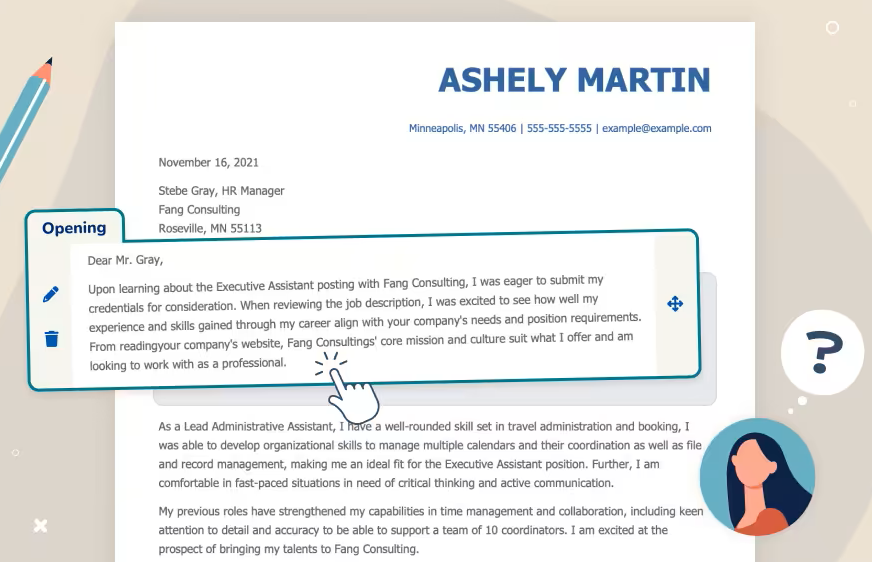
Your cover letter shouldn’t repeat your resume—it should enhance it.
Use it to:
- Explain career transitions
- Highlight key achievements in more detail
- Add context to your experience
Example: If your resume shows a gap, your cover letter can briefly address it in a positive way.
Why it works: It creates a cohesive narrative across your application.
6. Show Personality (But Stay Professional)
Hiring managers don’t just hire skills—they hire people. A modern cover letter allows a bit more personality than a resume.
That doesn’t mean being overly casual, but it does mean sounding human.
Tips:
- Write in a conversational tone
- Avoid overly formal or robotic language
- Let your enthusiasm show
Why it works: Personality helps you stand out in a sea of similar applications.
7. Incorporate Keywords for ATS Compatibility
Many companies use Applicant Tracking Systems (ATS) to filter applications, and cover letters can also be scanned.
Including relevant keywords from the job description can improve your chances of passing initial screenings.
Where to include keywords:
- Skills
- Tools
- Industry terms
Why it works: It increases visibility in both AI and human reviews.
8. End with a Clear Call to Action
A strong closing paragraph can leave a lasting impression. Instead of a generic sign-off, confidently express your interest in moving forward.
Example:
“I’d welcome the opportunity to discuss how my experience can contribute to your team’s success.”
Why it works: A clear call to action shows confidence and professionalism.
Bonus: Common Cover Letter Mistakes to Avoid
Even with the right trends, small mistakes can hurt your chances. Watch out for:
- Copy-pasting the same letter for every job
- Repeating your resume word-for-word
- Using overly complex language
- Ignoring formatting and structure
- Forgetting to proofread
These errors can undermine an otherwise strong application.
Conclusion
Cover letters are evolving—but they’re far from obsolete. In fact, when done right, they can significantly strengthen your resume and give you a competitive edge.
By following these 8 modern cover letter trends, you can create a compelling, personalized, and results-driven letter that captures attention and supports your overall application.
Think of your cover letter as your opportunity to connect the dots, tell your story, and show employers why you’re the right fit.
In a competitive job market, that extra effort can make all the difference.