
 4.9
4.9 4.5
4.5Pixejoo released a two-page minimalist resume template for Adobe InDesign on Adobe Stock on June 14, addressing a format gap for creative professionals who need print-ready documents that match portfolio quality standards, according to WE AND THE COLOR.
TL;DR: Pixejoo’s Super Minimalist InDesign Resume Template became available June 14 on Adobe Stock as a native INDD file—a format no AI tool currently generates—offering designers and art directors a typographically disciplined alternative to Word processors.
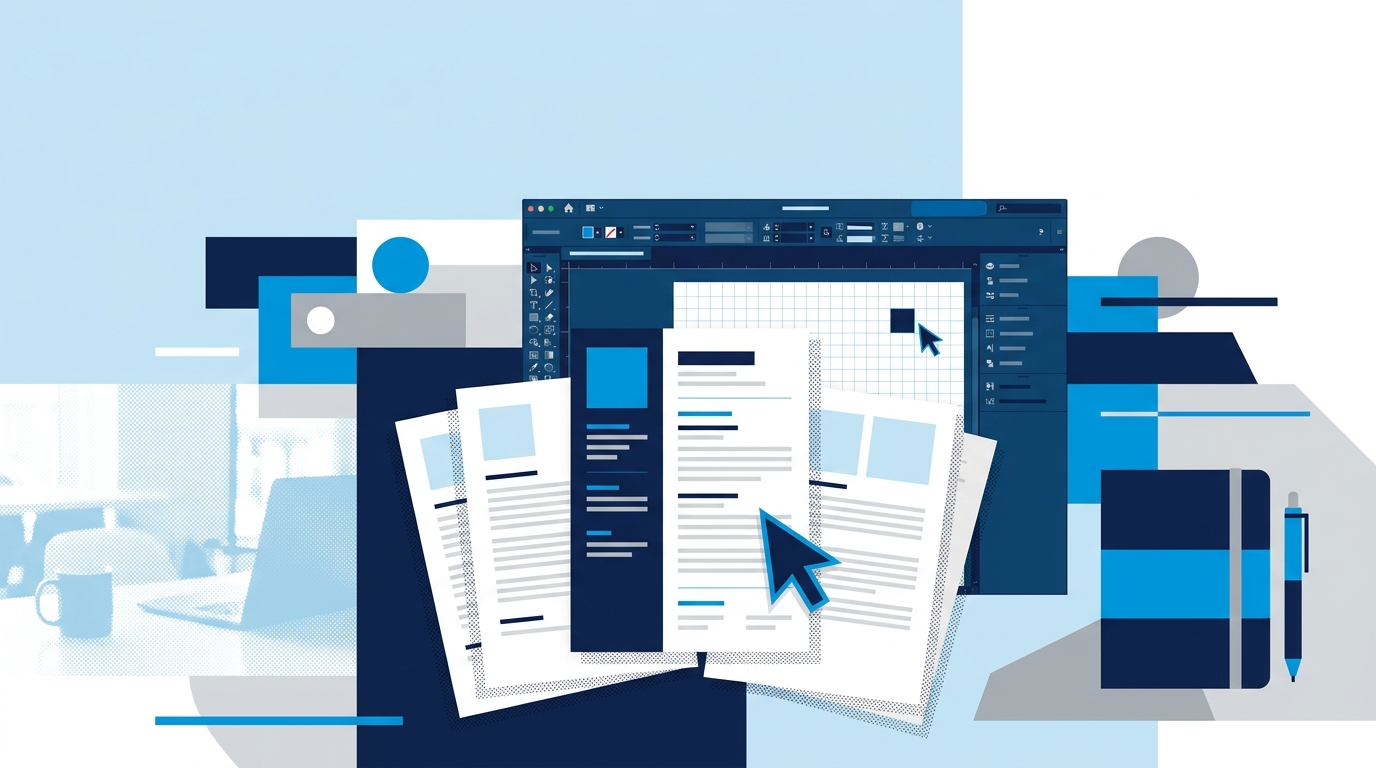
The template ships as a two-file set formatted for standard 8.5-by-11-inch US letter size: one resume page and one cover letter page. Both files arrive as editable InDesign (INDD) documents with organized layers, applied paragraph styles, and no decorative elements beyond type hierarchy, according to the product listing.
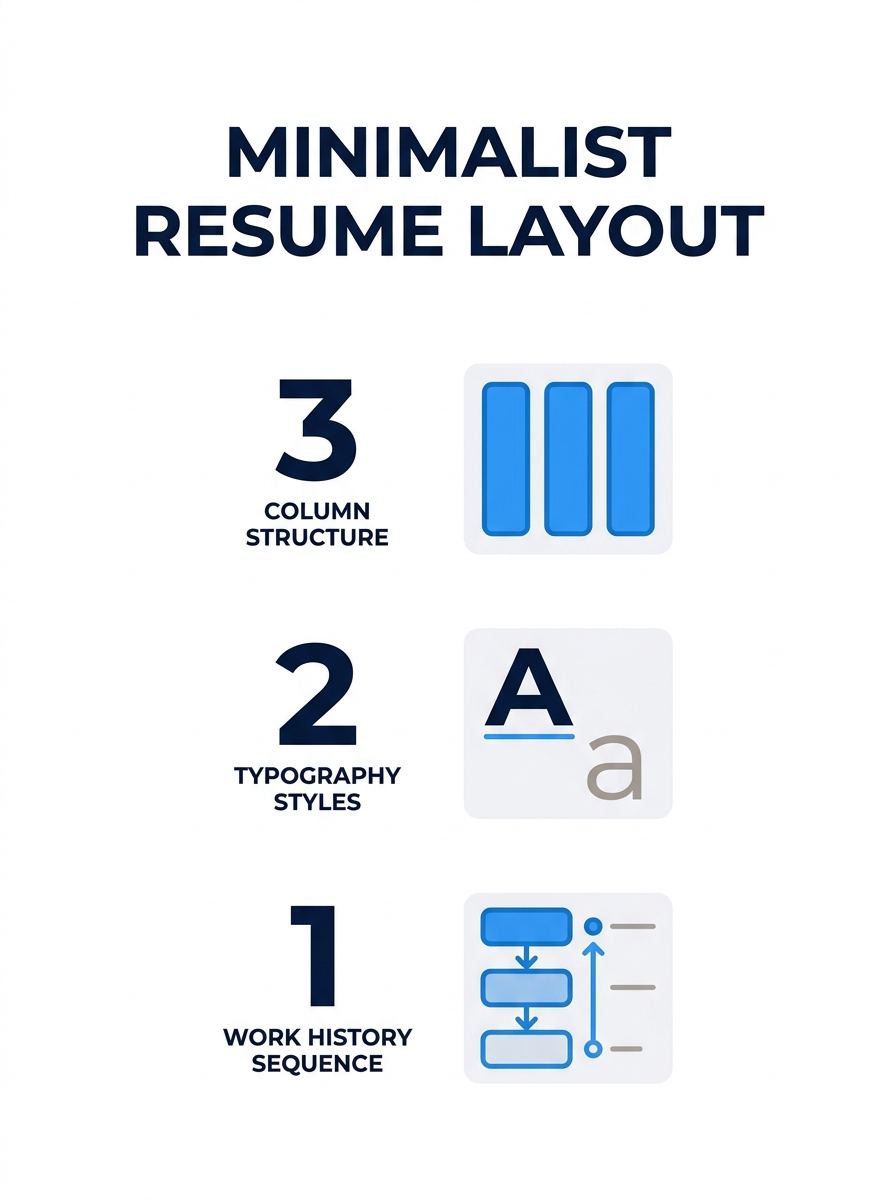
The resume page uses a three-column layout with work experience in the left column, education and awards in the center, and skills and contact details on the right. The cover letter page positions the applicant name in bold uppercase at top left, followed by date, subject line, letter body, and signature block in a two-column alignment.
The InDesign-Native Format Gap
AI resume tools including ChatGPT and Gemini generate output in DOCX or PDF formats but cannot produce editable InDesign files with maintained paragraph styles, master pages, or typographic grids. That structural limitation leaves design professionals building resumes from scratch or settling for word-processor templates that do not match the software they use daily for client work.
Adobe InDesign remains the industry standard for layout and print-ready document production across brand design, editorial, and art direction roles. Using the same software for resume production maintains visual consistency with portfolio materials, a consideration the template listing emphasizes.
The template file includes applied paragraph styles throughout, allowing font family changes to update the entire document. Text frames are organized logically across layers, making placeholder content replacement straightforward for users familiar with InDesign’s interface.
Typographic Restraint as Structural Principle
The template removes ruled lines between sections, icon sets beside skill labels, and colored sidebar panels. Hierarchy emerges entirely from type size, weight, and spacing rather than decorative scaffolding—an approach the listing describes as “Typographic Resume Restraint.”
The design carries no brand-specific visual elements beyond font selection and grid structure. The three-column resume grid holds consistent spacing across varying content volumes, according to the product description.
Creative professionals including brand designers, UX leads, and senior art directors face a recurring contradiction: their resumes communicate competence in content but often signal mediocrity in form when built in tools designed for text output rather than typographic craft. Resume formatting quality affects interview rates, making document design a professional liability when mismatched to portfolio standards.
The template requires Adobe InDesign installed on either Mac or PC, available through Adobe Creative Cloud subscriptions. The files do not function in word processors or free PDF editors, limiting the audience to professionals with existing Creative Cloud access.
Context and Outlook
The June 14 release addresses a niche but persistent gap in resume resources for design-adjacent professionals. While general resume assembly frameworks serve most job seekers, creative roles demand documents that function as design artifacts rather than pure text delivery mechanisms. Adobe Stock has expanded template offerings across presentation, social media, and print categories in 2026, with resume templates representing a small but growing segment.
The availability of InDesign-native resume templates signals market acknowledgment that professional document production requires software-specific solutions. AI tools continue advancing text generation and content suggestions but remain structurally unable to output native design software files—a limitation unlikely to change without fundamental shifts in how generative models interact with proprietary file formats.
For design professionals who already maintain Creative Cloud subscriptions, native InDesign resume templates eliminate the workflow friction of building layout files from scratch while preserving the typographic control that word-processor templates cannot match.