


 4.9
4.9 4.5
4.5Rebecca Dillon, a career coach who specializes in supporting neurodivergent, disabled, and LGBTQIA+ professionals, outlined a coaching approach designed to help individuals navigate workplace barriers that conventional career services often overlook, according to an interview published September 9 in Brainz Magazine. Dillon, who was diagnosed with a brain arteriovenous malformation at age 12, developed her coaching practice after experiencing repeated job dismissals before probation periods ended.
TL;DR: Career coach Rebecca Dillon explains how she helps neurodivergent, disabled, and LGBTQIA+ professionals move from workplace survival to sustainable careers by addressing systemic barriers rather than individual deficits.
The interview addresses a gap in career coaching services for professionals whose needs do not align with traditional workplace structures. Dillon’s approach focuses on practical strategies for managing rigid schedules, inflexible processes, and sensory demands that can force employees to mask difficulties. The coaching framework breaks down career goals into manageable steps while distinguishing between confidence issues and environmental barriers.
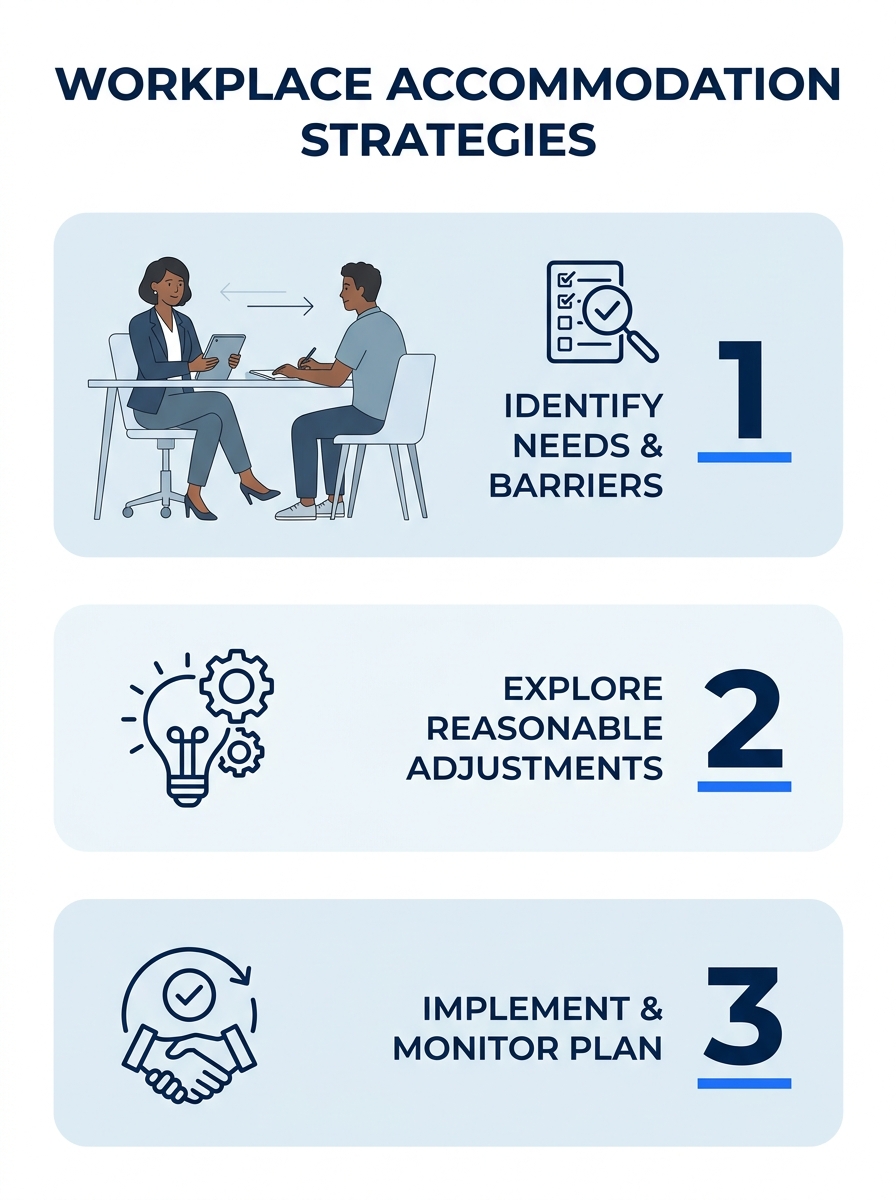
Background and Workplace Barriers
Dillon described her path to career coaching as emerging from direct experience with employment instability. “For years, I experienced a cycle of securing jobs, being dismissed before probation and returning to the Job Centre,” Dillon said in the interview. She completed a Life Coaching course after recognizing that fixed schedules and inflexible processes created barriers for workers with additional needs.
The coach identified three primary workplace challenges: energy management for professionals with chronic conditions, sensory demands in open-plan offices, and communication expectations that do not account for different processing styles. Dillon noted that masking these difficulties often leads to burnout and job loss before employees can demonstrate their capabilities.
Her coaching method begins with clarifying what clients want to achieve and exploring limiting beliefs or practical barriers. “Rather than telling them which path to take, I would give them the space to evaluate their options and decide which feels right for them,” Dillon explained in the interview.
Distinguishing Confidence from Environment
Dillon outlined a diagnostic approach for determining whether professional struggles stem from self-doubt or systemic workplace issues. The process uses what she described as “insightful, non-judgemental questions” to identify patterns clients may not have recognized independently.
The interview detailed how many professionals returning to work after health-related career gaps view employment breaks as disqualifying. Dillon works with these clients to reframe career interruptions and identify transferable skills. “After years of trying to adapt to environments that work against their natural thought processes, many people begin to feel hopeless and question their abilities,” she said.
When environmental barriers prove insurmountable, Dillon’s approach shifts to developing sustainable navigation strategies. These include communication methods that reduce stress, executive functioning supports, and relationship management techniques for working with managers who may not understand accommodation needs.
Practical Implementation
The coaching framework converts uncertain career ambitions into clear action plans. Dillon described working with clients to break goals into components they can control, evaluate realistic timelines based on their circumstances, and identify which opportunities align with their energy levels and processing styles.
For professionals who have spent years feeling misaligned with conventional workplace expectations, Dillon emphasized that her role involves helping clients recognize capabilities they have dismissed. The interview included examples of clients who developed successful careers after identifying work environments that supported their natural functioning rather than requiring constant adaptation.
The approach also addresses what Dillon termed “masking exhaustion”, the cognitive and emotional drain of continuously adapting behavior to meet neurotypical workplace norms. Practical strategies include requesting specific accommodations, establishing boundaries around communication preferences, and developing recovery routines for managing sensory overload.
The Takeaway
Career coaching services built around neurodivergent and disabled professionals’ actual needs rather than deficit models represent a shift in how workplace navigation support operates. Dillon’s framework, distinguishing between capability issues and environmental mismatches, offers job seekers a diagnostic tool for evaluating whether performance struggles indicate skill gaps or systemic barriers.
For professionals who have experienced repeated job losses or prolonged unemployment despite qualifications, the interview provides validation that workplace structures often create the problem. The emphasis on sustainable employment strategies rather than masking techniques addresses a gap in traditional career coaching, which typically assumes workplace norms are fixed and workers must adapt.
The coaching approach detailed in the interview aligns with skills-first strategies that focus on demonstrating capabilities rather than conforming to conventional career pathways. Job seekers managing chronic conditions or neurodivergent traits may find Dillon’s framework useful for identifying which workplace accommodations to request and how to evaluate whether prospective employers can provide necessary flexibility.