
 4.9
4.9 4.5
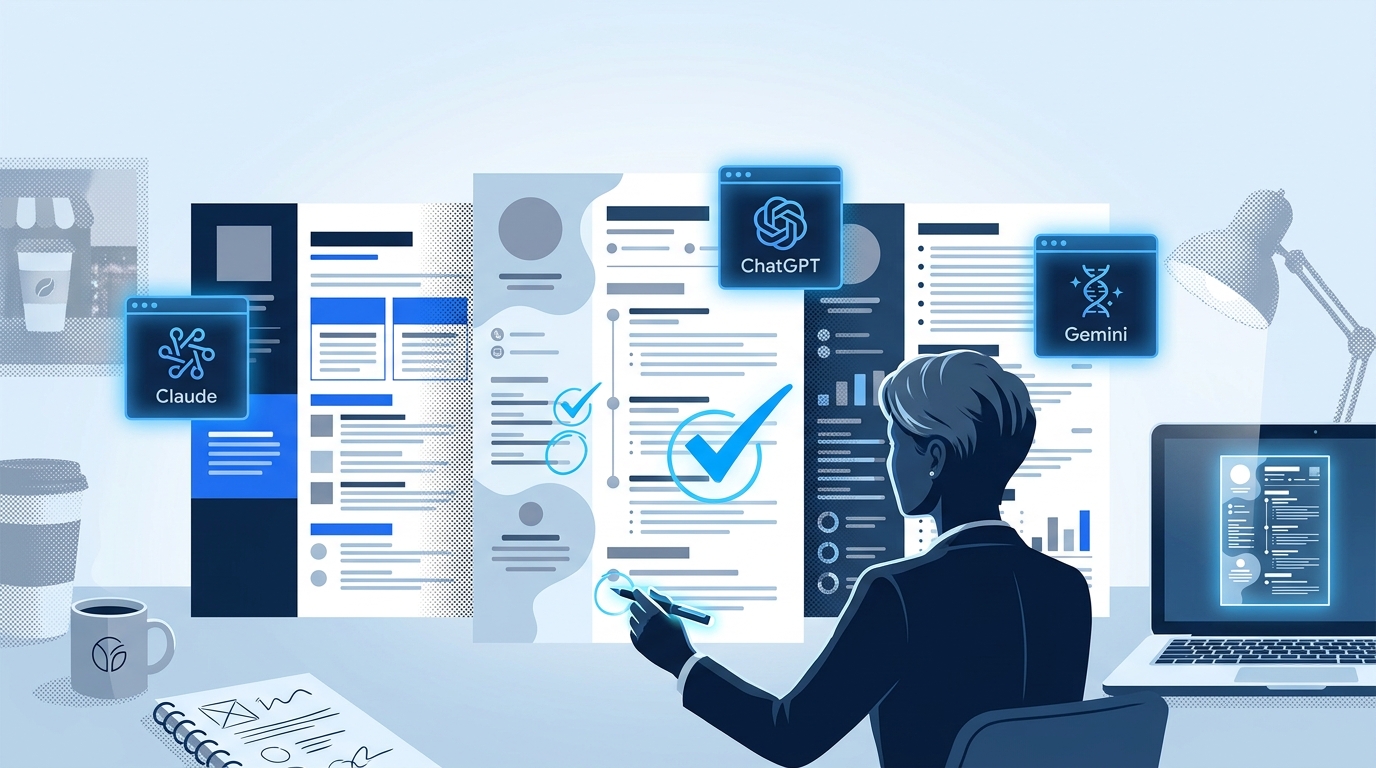
4.5How-To Geek tech journalist Dibakar Ghosh tested Claude Opus 5, ChatGPT, and Google Gemini to build complete resumes from a single job posting, then submitted all three versions to an in-house recruiter for blind evaluation, according to a report published August 8. Each AI assistant created an HTML-based resume designed to be saved as a PDF, with varying levels of detail and formatting.
TL;DR: A How-To Geek journalist tested three major AI chatbots to build resumes from scratch, then had a recruiter compare them to determine which produced the most hire-worthy result.
The test aimed to evaluate whether AI tools could produce better resumes than manual drafting, while also assessing how well each platform could synthesize existing user data with job requirements. Ghosh noted that each AI had different contextual advantages going into the test: Claude had access to his personal work history, ChatGPT to his coding projects, and Gemini to his Gmail, Google Docs, Calendar, and Keep notes through his Google storage plan.
Claude’s Performance and Research Gaps
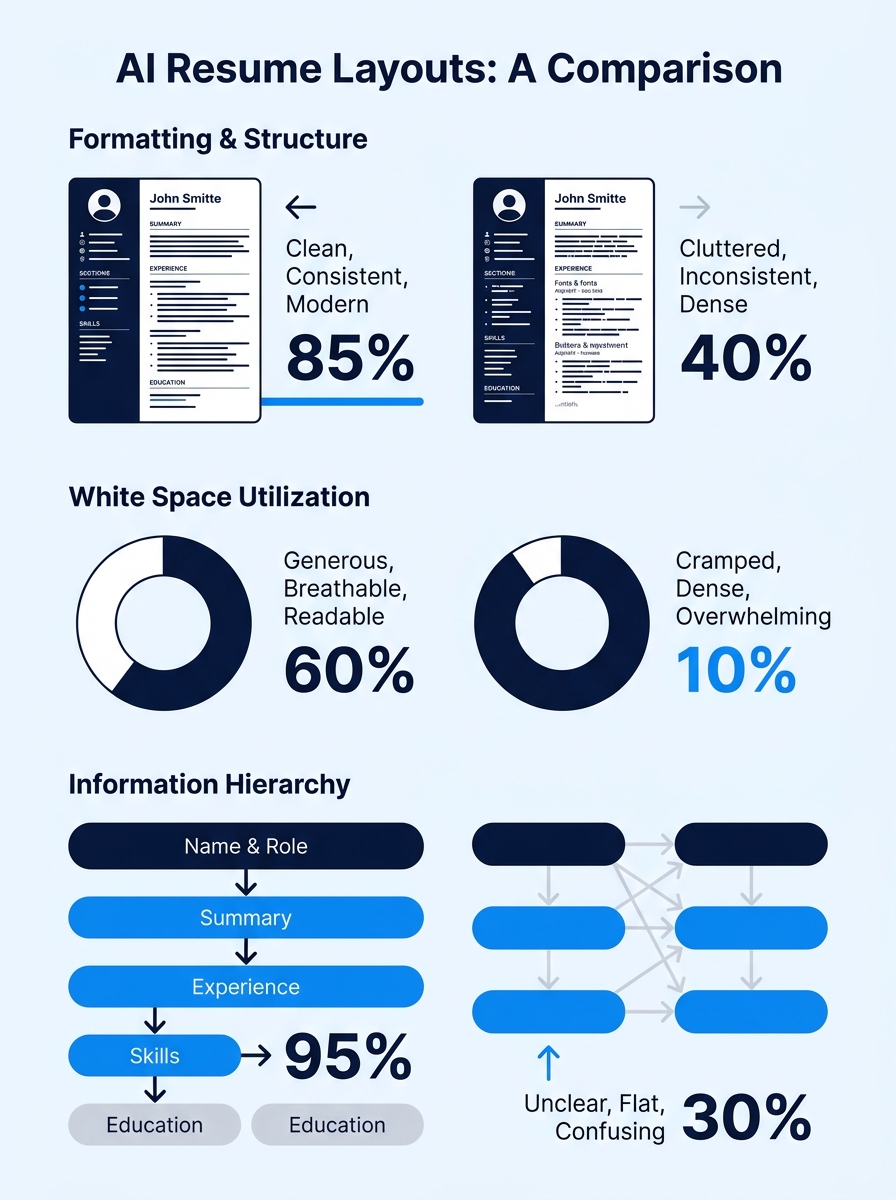
Claude Opus 5 requested 23 preliminary questions before drafting, organized into categories covering strategy, credentials, education, positioning, and contact details. The assistant produced a plain white layout with dense text blocks, according to the report.
Claude independently researched Ghosh’s How-To Geek article catalog and cited 338 published pieces in the resume draft. The actual count exceeded that figure, requiring manual correction. The AI also identified that How-To Geek operates under the Valnet network and positioned Ghosh as someone “already inside the network” when building the resume for a Valnet-owned publication—a tactical choice Ghosh described as ambiguous in value.
The primary weakness centered on readability. Ghosh reported that even he found the text-heavy design difficult to scan, suggesting recruiters would likely pass over it quickly.
Test Design and Evaluation Framework
Each AI received the same job posting as input. Ghosh instructed all three platforms to ask clarifying questions before generating content, then provided answers using voice-to-text tools. The goal was to produce HTML resumes that could function as polished portfolio pages before being saved as PDFs.
The evaluation included both automated content analysis and human recruiter assessment. The recruiter reviewed all three resumes without knowing which AI created each version, focusing on formatting, keyword optimization, and overall presentation quality—criteria aligned with how applicant tracking systems and human screeners evaluate submissions.
Ghosh noted that he typically relies on referrals and social outreach rather than formal applications, limiting his recent resume-writing experience. The test explored whether AI could compensate for that skill gap while also handling technical requirements like ATS keyword matching and current design conventions.
Recruiter Feedback and Winner Selection
The source report indicates an in-house recruiter delivered a clear verdict identifying one of the three AI-generated resumes as superior. The evaluation considered visual hierarchy, content density, and whether the format would survive both automated parsing and human screening.
The comparison revealed distinct approaches among the three platforms. While Claude emphasized thorough questioning upfront and attempted independent research, the formatting output lacked visual breathing room. The test measured whether advanced models like Opus 5 could balance comprehensive information gathering with presentation quality.
Why This Matters Now
Job seekers face growing pressure to optimize resumes for both ATS software and human readers, while also keeping pace with evolving formatting standards. AI resume builders promise to handle these competing demands automatically, but practical validation remains scarce. This head-to-head test provides direct evidence of how three widely available AI platforms perform under identical conditions with recruiter-level scrutiny.
The test results matter because they bypass marketing claims and measure actual output quality. With conversational AI resume builders multiplying across the market, job seekers need data on which tools deliver recruiter-ready results versus which require extensive manual cleanup. A blind evaluation from an experienced recruiter offers signal that generic user reviews cannot provide.
The HTML-to-PDF workflow also demonstrates a method job seekers can replicate immediately—using free AI tools to generate portfolio-style resumes without design software. The approach sidesteps template fatigue and allows for rapid customization per job posting, particularly valuable for candidates applying to multiple roles simultaneously or pivoting between industries where resume priorities shift.