

 4.9
4.9 4.5
4.5Graphic design accounts for approximately 20% of all design firms in India, according to a Confederation of Indian Industry Design Report cited in a comprehensive resume guide published September 3 by Internshala that addresses the dual challenge graphic designers face: presenting creative portfolios while passing applicant tracking system screening. The 14-minute guide, authored by Surbhi Girdhar, provides format instructions for six resume sections and explains how designers can demonstrate visual skills through portfolio links without triggering ATS parsing failures.
The guide addresses a format problem unique to creative roles, where candidates must balance visual presentation with machine-readable structure. According to the Internshala blog post, hiring managers review graphic designer applications differently than other roles, requiring both a traditional resume and accessible portfolio work. The publication coincides with growing competition in India’s design sector, where freshers and mid-career professionals compete for positions requiring demonstrated proficiency in Adobe Creative Suite, Figma, and UI/UX design tools.
TL;DR: Internshala’s September 3 guide walks graphic designers through six resume sections while explaining how to embed portfolio links and maintain ATS compatibility, addressing the format challenge where creative presentation and automated screening requirements conflict.
Six-Step Framework Covers Summary Through Review
The guide breaks resume construction into six sequential steps, starting with a three-to-four-sentence summary that includes job title, years of experience, professional achievement, and technical skills, according to the published methodology. Girdhar instructs candidates to list specific software such as Photoshop, Figma, and web design applications in the opening section to match job description terminology.
The skills section requires tailoring to each application rather than using a universal list. “Your skills section should reflect the specific requirements of the graphic design role you are applying for,” the guide states, directing candidates to extract required abilities from job postings and mirror that language. Relevant skills may include branding, visual identity, typography, illustration, and named software platforms.
Work experience should emphasize measurable results where possible, the guide explains. For freshers lacking full-time positions, Internshala recommends including internships, freelance projects, academic work, and volunteer design assignments. The guide instructs candidates to mention design tools used for specific projects and quantify impact when data exists.
Portfolio Integration Requirements Differ from Standard Resumes
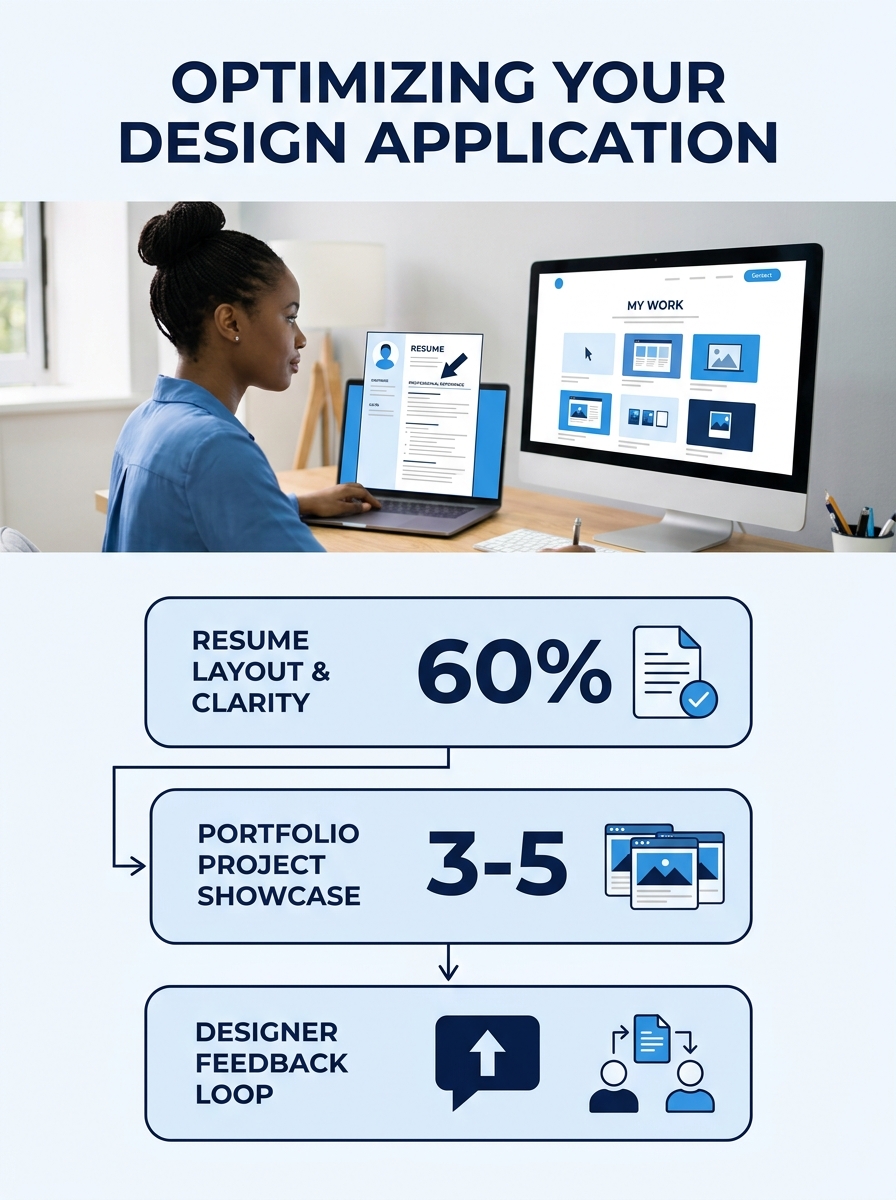
Portfolio links belong in contact information or the professional summary section so recruiters can access work samples immediately, according to the Internshala framework. The guide instructs designers to verify that links function correctly and that employers can view projects “without unnecessary steps” before submitting applications.
Project selection should demonstrate skills relevant to the target position and show range across different design aspects, the publication explains. This recommendation contrasts with traditional resume advice, where supplementary materials typically appear as optional attachments. For graphic designers, the portfolio functions as primary evidence of capability, with the resume providing structured career context.
The certification and education section carries particular weight for candidates with limited professional experience, according to the guide. Internshala instructs applicants to list bachelor’s degrees in graphic design, animation, web design, or related fields, plus any certifications from universities, online courses, or professional programs. Each certification should include the granting organization and completion date.
ATS Optimization for Creative Resumes Requires Format Restraint
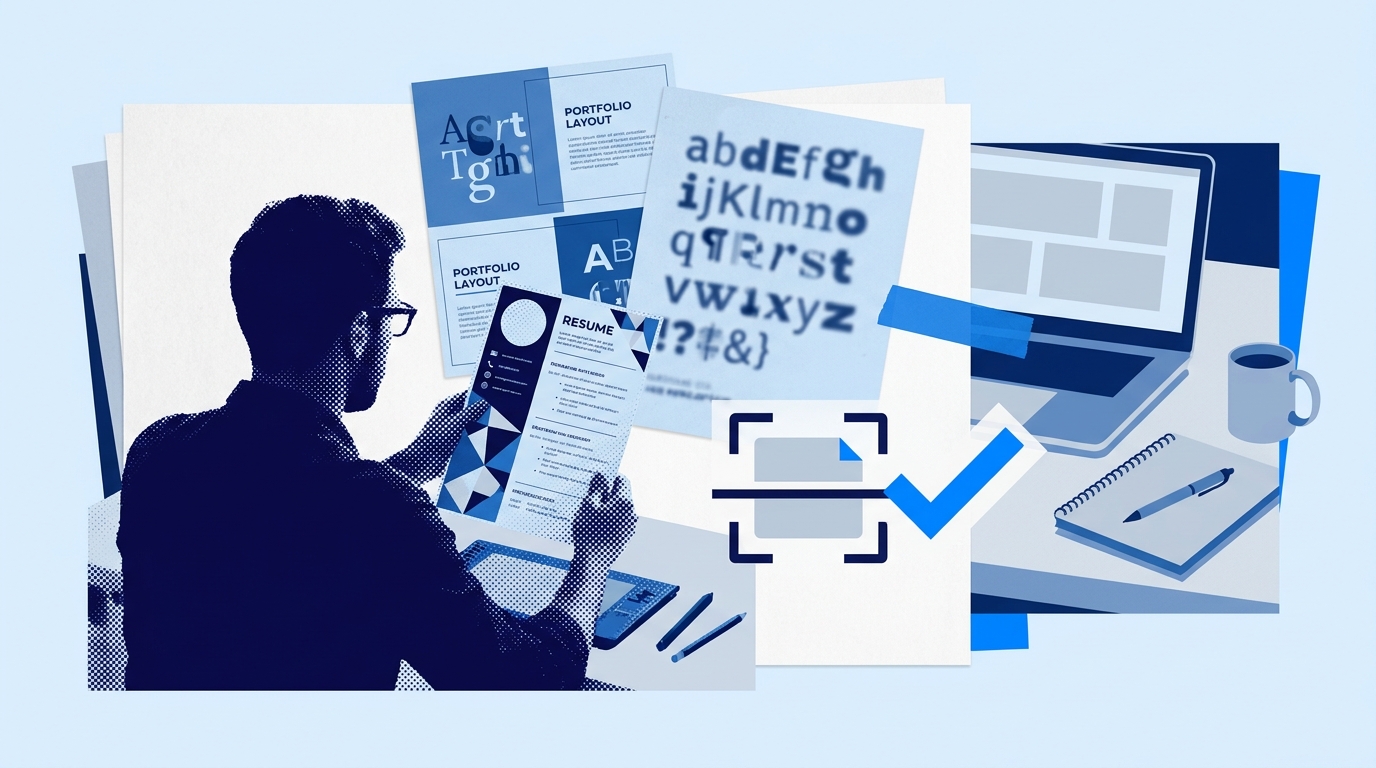
The final evaluation step focuses on ATS compatibility, an area where creative professionals often encounter technical problems. “Avoid excessive graphics, icons, colors, or complex design elements that could make the resume difficult to scan or interfere with ATS parsing,” the guide states, recommending readable fonts at 10-12 points with consistent headings, spacing, and bullet points.
This instruction creates tension with graphic designers’ instinct to demonstrate visual skills through resume layout itself. The guide resolves this by directing creative presentation to the linked portfolio while keeping the resume document in a clean, machine-readable format. Candidates should check spelling, grammar, contact details, employment dates, portfolio links, and software names before submission, according to the published checklist.
The September 3 publication provides templates and samples for different experience levels, though the sourced material emphasizes framework over fixed formats. Girdhar’s guide instructs candidates to focus on roles matching the target position rather than listing unrelated duties, a filtering approach that aligns with broader resume writing best practices covered across ResumeWriting.net‘s guides for various industries.
Applicant tracking systems remain a documented obstacle for creative professionals, as ornate resume designs that showcase aesthetic judgment often fail to parse correctly through automated screening. An ex-Google recruiter identified resume formatting mistakes that make candidates “invisible” to hiring managers when ATS software cannot extract key information, a problem the Internshala guide addresses through its restraint recommendations.
What Happens Next
The Internshala guide enters a resume advice landscape where job seekers face competing pressures: stand out visually while meeting algorithmic requirements. For graphic designers specifically, the portfolio link serves as the differentiation mechanism, allowing the resume itself to follow conservative formatting rules that maximize ATS compatibility. Candidates applying the six-step framework will need to audit existing resumes for parsing obstacles, particularly if previous versions included embedded graphics, unusual fonts, or complex layouts that demonstrated design skill but failed technical screening.
The publication’s emphasis on tailoring skills to job descriptions reinforces the broader shift away from universal resumes, documented in recent job seeker application fatigue discussions where candidates reported creating dozens of customized versions per search. Graphic designers following the Internshala methodology should expect to revise the skills and work experience sections for each application while maintaining the core structure.
Portfolio presentation remains the use point where graphic designers can demonstrate capability beyond what resume text conveys. The guide’s instruction to verify link functionality and eliminate access friction recognizes that hiring managers will only click through if the resume itself passes initial review. The 20% share of India’s design firm market that graphic design represents, per the CII data, suggests sustained demand for roles where this dual-document approach, clean resume plus accessible portfolio, will determine callback rates.