

 4.9
4.9 4.5
4.5A recruiter with 16 years of experience said September 24 that candidates who fail to research companies before interviews make a bigger mistake than bringing iced coffee to the meeting, clarifying viral advice that sparked debate across social media platforms.
TL;DR: Recruiter Caitlin Wehniainen told PEOPLE the most common interview mistake is under-preparation, not beverage choice, and emphasized that interview etiquette varies by company environment and role type.
Caitlin Wehniainen, who posts as @caitlinrecruiter on TikTok, told PEOPLE exclusively that she stands by her iced coffee recommendation for certain corporate settings but wants candidates to focus on preparation gaps that actually cost them job offers. “Mostly, I see people under prepare for the moment to shine,” Wehniainen said, pointing to candidates who haven’t researched the company before their interview.
The Viral Iced Coffee Debate
Wehniainen’s original TikTok video addressed Gen Z candidates arriving at interviews carrying iced coffees and lattes. She explained that she works with Fortune 500 corporations where the drink can appear too casual. “It looks like you went to Target, then you went to Starbucks, now you’re stopping by your interview, then you’re on to the next thing,” she said in the video.
The advice divided viewers. Some agreed candidates should leave coffee behind, while others questioned why a drink should affect how a prospective employee is perceived. Wehniainen posted a follow-up clarifying she was specifically discussing on-site interviews later in the hiring process. “You’ve already been greenlit through so much at that point. Everybody likes you. You’re there to seal the deal,” she said.
She told PEOPLE she still recommends finishing beverages beforehand because they “can be distracting and make you seem less prepared,” but noted the debate misses nuance. “We are not talking about the same environments here,” she said. “Understanding the environment is the key.”
Context-Specific Interview Preparation
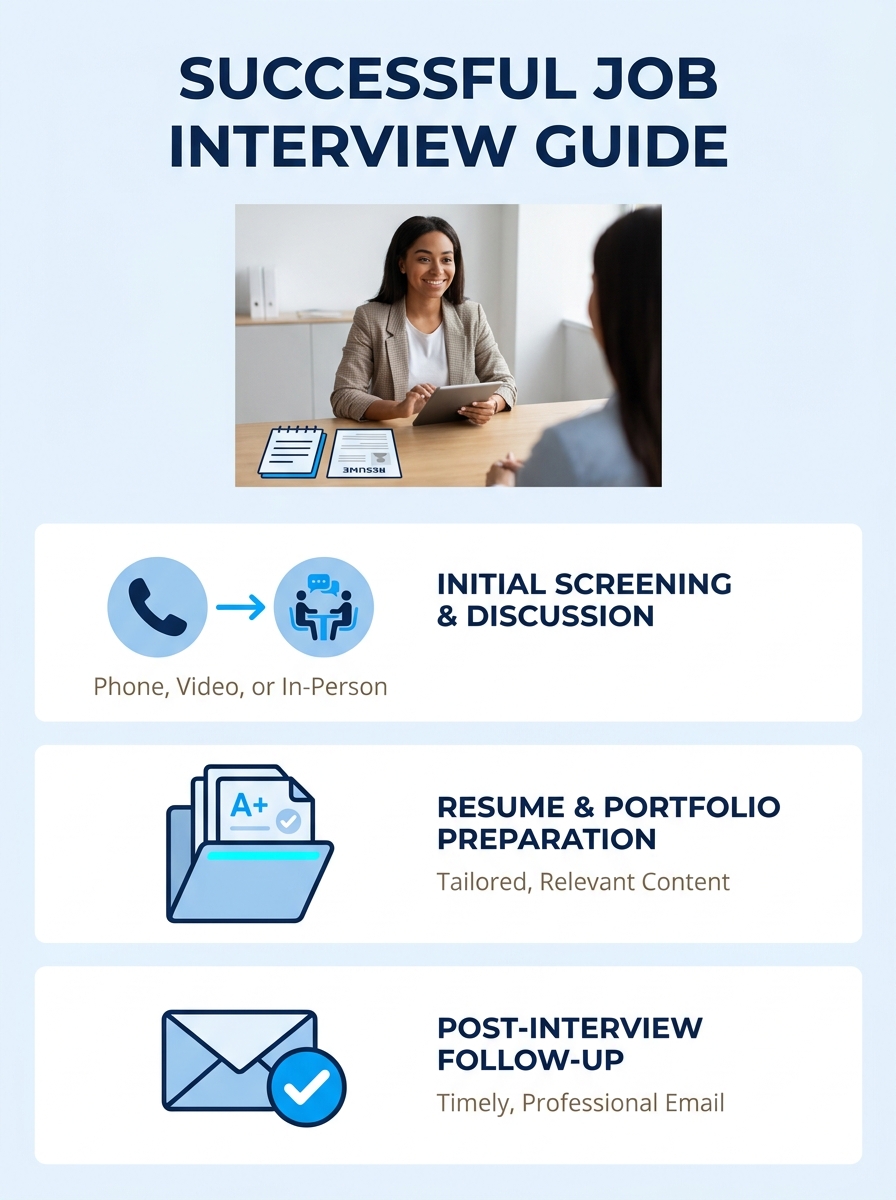
Wehniainen said interview etiquette isn’t one-size-fits-all. For certain corporate interviews, she might recommend wearing a suit, printing a résumé and bringing a notepad and pen. For one of her manufacturing clients, she might tell a candidate to wear sneakers because the interview could include walking a warehouse floor.
“My position is to help people show up knowing what to expect so they can lessen their nerves, walk in confidently and get the job offer,” she said. A bottle of water is “totally fine,” she added, along with a résumé, notepad, pen and anything candidates need to showcase their work.
What Recruiters Actually Notice
Wehniainen identified specific preparation steps candidates should complete before any interview. She recommends learning a company’s mission and core values, researching the people conducting the interview, and understanding why the position needs to be filled. Candidates should also be ready to explain how their skills could add value and prepare for questions they might encounter.
“These are truly simple tips but many people do not interview often enough to know the expectations walking in,” Wehniainen said. She began posting advice online after job seekers approached her with questions about everything from interview preparation to offer negotiation. “People out there really need help in the job search process. Many are feeling very lost,” she said.
Wehniainen also pointed to what she described as the current “employer’s market,” saying candidates sometimes have to “play the game a little bit” to make the best possible impression during competitive hiring cycles.
What This Means for Job Seekers
The recruiter’s clarification underscores a pattern job seekers should note: surface-level interview etiquette matters less than substantive preparation. Candidates who walk into interviews without researching the company’s mission, core values, or the background of their interviewers signal they haven’t invested time in the opportunity, according to Wehniainen’s 16 years of recruiting experience.
The context-specific guidance also highlights a planning step many candidates skip: asking the recruiter or hiring contact what to expect from the interview format. A final-round interview at a Fortune 500 corporate headquarters requires different preparation than a manufacturing role interview that includes a facility tour. Candidates who clarify the setting and format beforehand can adjust their approach accordingly.
Wehniainen’s advice to “lean on your recruiter to help you prepare for the various nuances of environment” points to an underused resource. Recruiters often know whether the company culture skews formal or casual, whether interviews include presentations or skills assessments, and what specific topics hiring managers prioritize. Candidates who ask those questions during scheduling calls gain material advantages over those who treat every interview the same way.