


 4.9
4.9 4.5
4.5Approximately 30% of U.S. employers now use artificial intelligence to screen job applications, conduct initial interviews, and rank candidates before a human recruiter reviews any materials, according to a hiring-process analysis published June 2 by Patricia Hunt Sinacole, founder of Boston-based HR consulting firm First Beacon Group LLC, on boston.com. The shift replaces traditional resume review and phone screens with chatbot interviews, algorithm-based resume scoring, and video platforms that use avatars to interact with candidates.
TL;DR: Thirty percent of employers now deploy AI chatbots and resume-screening algorithms to filter candidates before human review, a practice raising legal concerns in Massachusetts and prompting job seekers to optimize applications for machine readers.
AI Chatbots Replace Phone Screens in Early-Stage Hiring
Interactive chatbots now filter applicants during the screening stage that recruiters previously conducted by phone, Sinacole reported. The bots ask questions, analyze text responses, and recommend which candidates should advance. Some platforms use keyword searches or specific skill matching to score resumes, allowing recruiters to query applications without reading full documents.
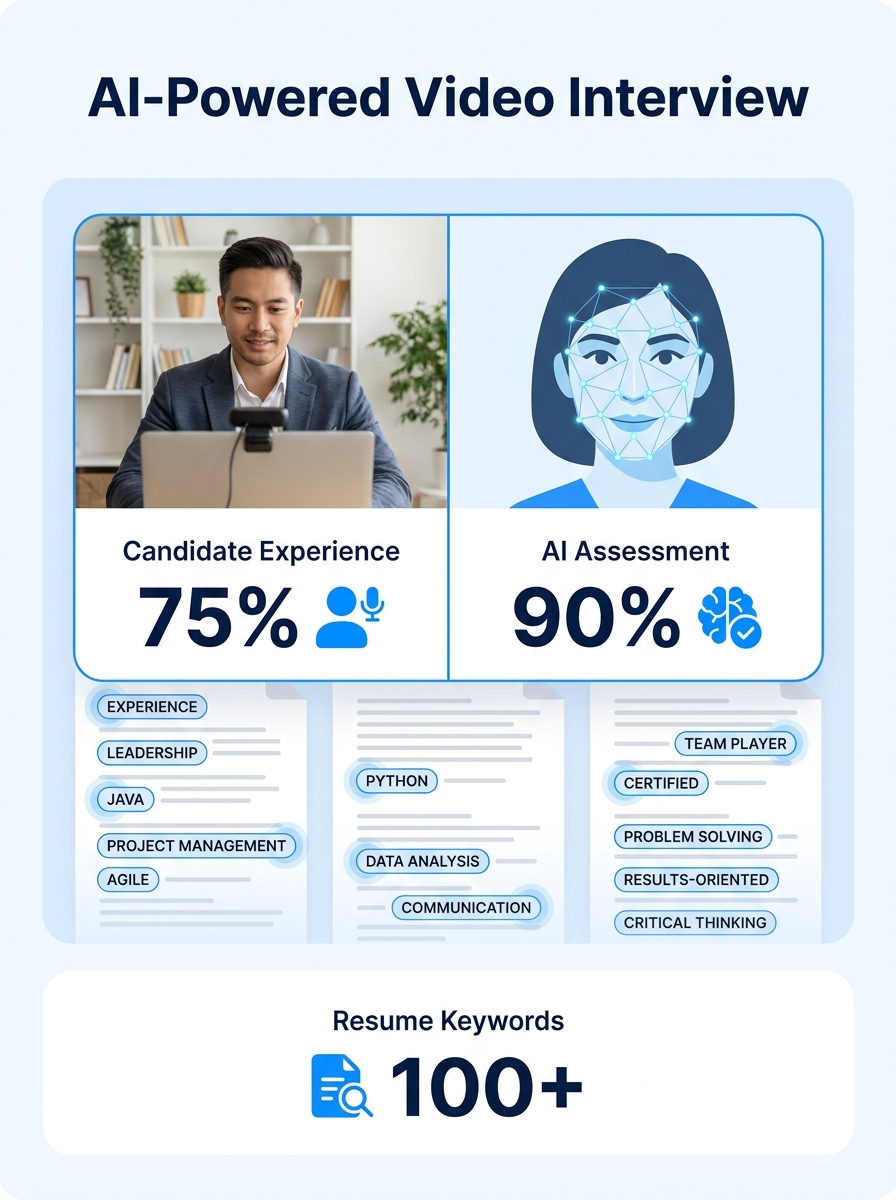
Video interview platforms have evolved beyond recorded one-way responses. Current systems feature human-like avatars that interact with candidates in real time, Sinacole noted. Fraud-detection software embedded in these tools flags behaviors such as unusual pauses or eye-tracking patterns that suggest a candidate is using external resources to answer questions.
“A common candidate complaint is being hired by a machine as opposed to being hired by a human,” Sinacole wrote, summarizing feedback from job seekers who described the process as impersonal.
Massachusetts Law and Bias Concerns Shadow AI Adoption
Some AI screening platforms have drawn legal scrutiny in Massachusetts because they resemble prohibited lie-detector tests, according to Sinacole’s analysis. State law bars employers from requiring lie-detector tests as a condition of employment. Tools that analyze facial expressions and vocal tone during video interviews fall into a regulatory gray area.
More advanced hiring software attempting to assess tone of voice and facial cues has produced mixed results, Sinacole reported. Hiring professionals question whether algorithms identify the most qualified candidate or simply the applicant with the best-optimized resume.
Bias remains a central concern. Supporters of AI hiring tools argue that consistent algorithmic review reduces human prejudice when evaluating qualifications. Critics counter that the systems may disadvantage non-native English speakers, candidates with disabilities, or applicants who lack technical fluency, Sinacole noted. Employers also report that AI struggles to evaluate soft skills—traits that resist quantification through screening algorithms.
Job Seekers Deploy AI Tools to Counter Algorithm Screening
Candidates increasingly use AI to write resumes, draft cover letters, and generate interview responses, creating a bidirectional AI arms race. Employers view this practice as deceptive, though applicants argue they are responding to companies’ own reliance on automated screening, Sinacole observed.
A growing number of employers now ask candidates to confirm they have not used AI to build their applications. Recruiters flag batches of resumes that share identical formatting and remarkably similar phrasing—patterns that suggest automated generation.
Job seekers also express concern about data security and the scope of information employers collect. Questions persist about whether hiring systems scrape social media profiles, images, and videos to supplement traditional application materials, Sinacole reported.
Experts recommend that companies use AI as an enhancement to human judgment rather than a replacement, she concluded. Regularly auditing algorithms for bias, assessing candidate quality, and monitoring the applicant experience remain essential as adoption accelerates.
Reading Between the Lines
The 30% adoption figure means nearly one in three applications now passes through an algorithm before reaching a person—a shift that makes resume optimization for both ATS systems and human readers non-negotiable rather than optional. The chatbot interview introduces a new wrinkle: candidates must now perform for both machine parsing (keyword density, structured answers) and eventual human review (narrative coherence, authentic voice).
The legal ambiguity in Massachusetts around tone-and-expression analysis tools suggests regulatory pressure may eventually constrain the most invasive screening technologies, but current adoption rates indicate most employers are proceeding regardless. For job seekers, the practical response is twofold: understand how AI resume builders compare to human career coaching when preparing materials, and assume every application will be machine-scored before human eyes see it.
The emerging practice of AI-generated resumes gaming AI recruiters creates a feedback loop where optimization trumps authenticity—until employers flag identical phrasing across submissions. The equilibrium may settle on hybrid preparation: AI assistance for structure and keyword targeting, human editing for voice differentiation. Candidates who rely entirely on either machines or manual writing risk either robotic sameness or algorithmic invisibility.