


 4.9
4.9 4.5
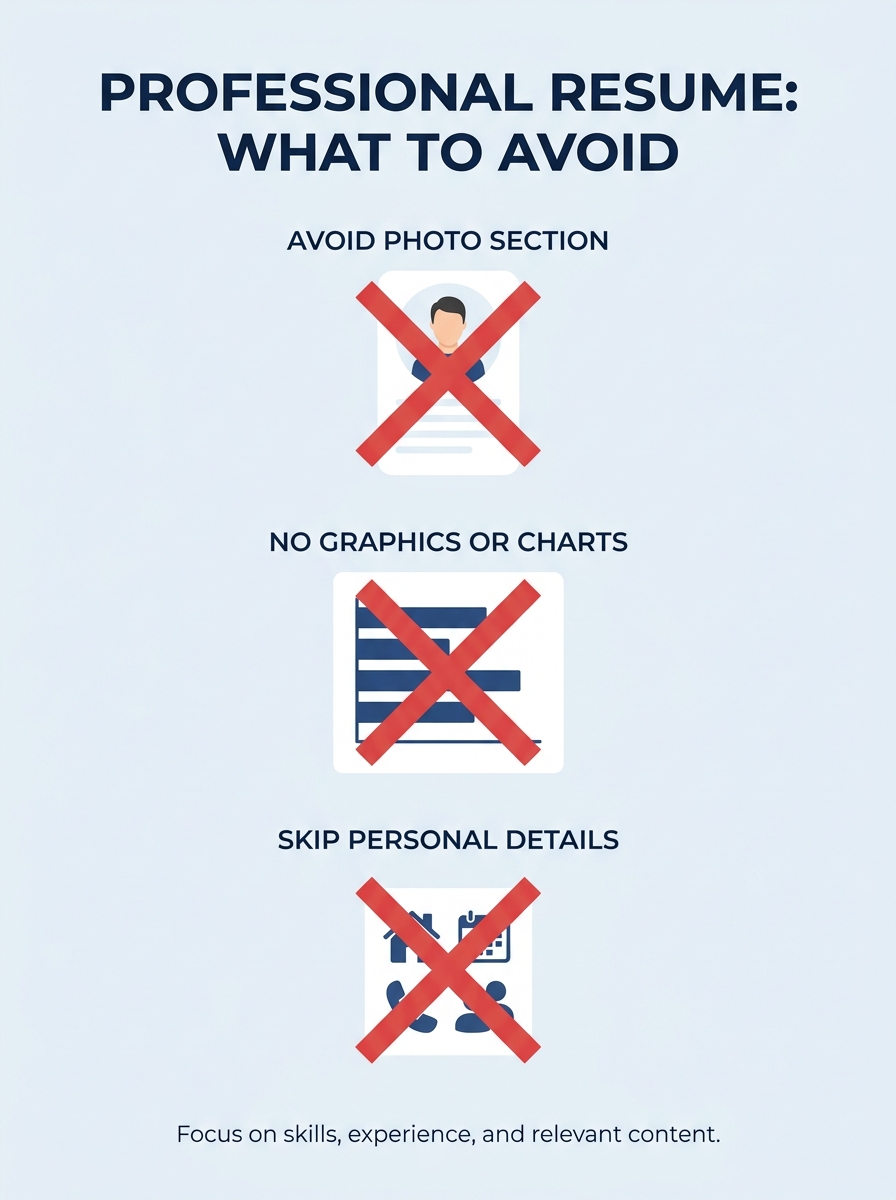
4.5Three recruiting and career coaching experts issued guidance May 11 against including photographs on job applications submitted in Australia, citing both technical screening barriers and bias concerns, according to ABC News.
Natasha Hawker, managing director of a Sydney-based human resources and recruitment firm, told ABC that recruitment agencies routinely strip photos from resumes before forwarding them to hiring managers. Pictures and graphic elements also interfere with applicant tracking systems and make documents harder for both software and human reviewers to parse, Hawker said.
Jon Gorgioski, director of a Melbourne resume consultancy practice, and career coach Annique Teycheney both echoed the no-photo recommendation. Gorgioski added that attaching supporting documents—university transcripts, reference letters, or certificates—to a resume file creates unnecessary distraction unless specifically requested by the employer.
Personal Details and Referee Information Face Scrutiny
The experts advised removing several categories of personal information from resume templates. Date of birth, marital status, and full home addresses should not appear on applications, Gorgioski said, because they introduce privacy concerns and potential bias without adding value to the hiring decision.
Hawker recommended writing “referees available upon request” rather than listing referee contact details directly. “I am a referee for so many people and I do not want unsolicited phone calls when I’m not prepared for them,” Hawker told ABC. Teycheney agreed, noting that applicants can alert their references once an employer specifically requests contact information.
Graphics and tables also made the exclusion list. While visually appealing, these design elements interfere with automated resume screening systems that parse text linearly, Hawker explained.
AI-Generated Content Produces New Red Flags
Candidates using generative AI tools to draft resume content are leaving behind telltale formatting errors, Hawker said. The most common mistake involves copying AI-generated text without removing placeholder brackets or parentheses that language models insert around suggested phrases.
Generic AI-written content presents a separate problem. “That can become a bit of a red flag when we’re reading something that doesn’t actually tell me anything about how a person works, even though it may be written very well,” Gorgioski said. Stronger resumes demonstrate specific outcomes tied to the candidate’s direct contributions rather than polished but vague descriptions of responsibilities.
Discrepancies between LinkedIn profiles and submitted resumes also trigger immediate rejection, Gorgioski noted. Recruiters who spot inconsistencies in job titles or employment dates typically move to the next applicant rather than seeking clarification.
Context Determines Value of Hobbies and Early Achievements
Volunteering experience and hobbies earned conditional approval from the panel. Hawker said relevant volunteer work—such as animal shelter experience for a zoo job applicant—can elevate a resume above comparable candidates. Gorgioski added that hobbies provide useful talking points when they connect to the target role or add texture to the candidate’s professional story.
School leadership positions such as house captain or student council roles belong on early-career resumes but lose relevance over time, Hawker said. The recommended window for including these achievements falls between five and ten years after graduation. Gorgioski said older accomplishments retain value only when they genuinely support the candidate’s career direction or represent the strongest available example of a skill.
All three experts emphasized that customization remains essential despite the time investment. “We still see far too many resumes that are just thrown at the role,” Hawker said. Gorgioski clarified that candidates need not write entirely new resumes for each application, but targeted adjustments to match specific position requirements separate competitive applications from generic submissions.
Teycheney recommended having a second reviewer examine resumes before submission. “Having someone skim their eyes over your resume for you to provide that feedback is worth its weight in gold,” she said.
What This Means for Job Seekers
The convergence of expert opinion on photographs and graphics reflects the dual screening process resumes now face—algorithmic parsing followed by brief human review. Including visual elements reduces the likelihood a resume will successfully navigate the first filter, regardless of content quality. Job seekers working with older resume templates or examples from international markets should verify their formatting aligns with current Australian standards before submitting applications.
The AI-related warnings signal a shift in how recruiters evaluate polished writing. Generic, professionally worded content now triggers skepticism rather than approval. Specificity and measurable outcomes have become the primary differentiators, particularly for candidates competing in markets where AI-assisted applications are common. Taking time to personalize AI-generated drafts and verify consistency across LinkedIn and submitted documents addresses two of the most frequently cited reasons for immediate rejection.
The conditional approval of hobbies and early achievements offers room for strategic inclusion when direct work experience feels thin. Recent graduates and career changers should evaluate whether volunteer roles or leadership positions demonstrate skills the target job requires, then list those experiences under relevant sections rather than relegating them to afterthought categories at the bottom of the document.