

 4.9
4.9 4.5
4.5Hiring managers now routinely search candidates’ names on Google before scheduling interviews, with alignment between online presence and resume content emerging as a key screening criterion, according to workplace experts interviewed by Forbes. Some employers have begun deploying AI tools to screen applicants’ social media profiles, verifying both authenticity and cultural fit before human review.
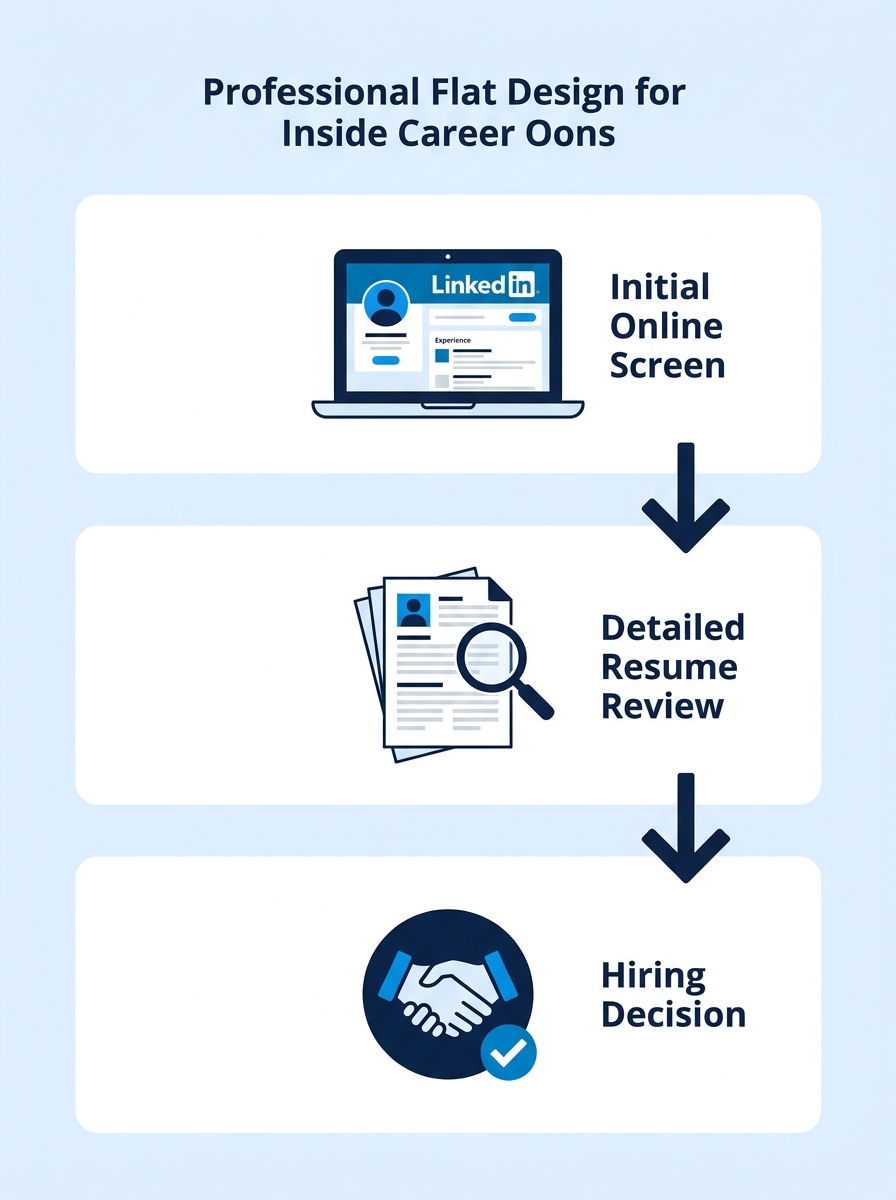
The practice has become standard procedure across HR departments, with search results increasingly influencing whether applications advance to the interview stage. Priya Rathod, workplace expert at Indeed, told Forbes that employers seek consistency across all digital touchpoints. Roshaunda Green, global senior talent acquisition partner at Pitney Bowes, recommended professionals Google themselves at least annually to audit what recruiters find.
The shift reflects broader changes in how companies vet talent, moving beyond traditional resume review to comprehensive digital background checks conducted before any direct candidate contact.
Resume Alignment Drives Initial Screening
Recruiters use Google searches primarily to verify that candidates’ online presence matches claims made in application materials, according to the Forbes report. Rathod emphasized that hiring managers expect digital content to reinforce rather than contradict resume details.
Green noted that executives often employ PR teams to monitor their online reputation monthly, while most professionals neglect this aspect of career management entirely. Candidates whose Google results return only personal social media accounts—Facebook, Instagram, TikTok, Twitter—without professional platforms face disadvantages in competitive hiring processes, she said.
The workplace expert advised allocating 10 to 20 percent of the effort spent on personal social media toward building professional digital presence, particularly through LinkedIn profile development.
LinkedIn Profile Visibility Reaches 90 Percent Among Recruiters
Data from AI-powered resume platform Novorésumé, cited in the Forbes article, showed that over 90 percent of HR professionals and recruiters find candidates’ LinkedIn profiles at least somewhat helpful in hiring decisions. The statistic underscores the platform’s role as a parallel credential to traditional resumes.
Green pointed to LinkedIn activity as a visibility multiplier during career transitions. After experiencing layoffs, she received outreach from podcasters and industry influencers based solely on content she had shared on the platform, connections that facilitated her next role.
Professional digital footprints extend beyond static profile information to include shared expertise, industry engagement, and demonstrated thought leadership. These signals help recruiters distinguish authentic professionals from resume fabricators, Green noted. The pattern mirrors broader industry concerns about AI-generated resumes flooding applicant pools, forcing recruiters to seek additional verification methods.
Connection Networks Face Recruiter Scrutiny
Some companies extend Google searches beyond individual candidates to examine their professional networks, according to Green. Recruiters occasionally sample three random connections from a candidate’s LinkedIn profile to assess judgment and professional associations.
The practice reflects employer interest in cultural fit indicators that resumes cannot capture. Green advised candidates to consider how their social media presence represents them when recruiters conduct background research outside direct interaction.
The vetting process has intensified as job-seeker numbers exceed available positions. Green told Forbes that candidates must now “think outside the box” and adopt strategic approaches that include posting relevant LinkedIn content, highlighting expertise areas, and maintaining consistent online activity schedules.
She encouraged job seekers to establish disciplined routines for digital presence management, framing the work as necessary differentiation in saturated markets where traditional application materials alone no longer suffice.
Reading Between the Lines
The Google-search screening trend confirms that resume optimization has become only one component of a multi-platform credentialing system. Job seekers who treat their resume as the sole artifact of professional identity now compete against candidates who understand that recruiters assemble composite portraits from multiple sources before making contact.
The practice creates unequal screening conditions based on digital literacy and platform access, particularly disadvantaging older workers or those in industries where online presence has historically mattered less. A candidate with a flawless resume but minimal LinkedIn activity may lose ground to someone with slightly weaker credentials but consistent professional content sharing, regardless of actual job performance capacity.
For those navigating 2026’s competitive hiring landscape, the message is tactical rather than aspirational: allocate time to LinkedIn profile updates, content engagement, and network curation with the same discipline applied to resume revision. Recruiters are making preliminary elimination decisions based on Google results before your application materials receive full human review. What appears in those search results has become gatekeeping infrastructure, not optional enhancement.